This list puts DarkOwl first for dark web threat intelligence and data. Constella Intelligence fits identity risk and account takeover; Recorded Future fits live threat intelligence context. The other 2 tools in the list cover narrower or pricier cases.
Ainotely put together this guide to software to prevent brand impersonation for readers who want a clear shortlist without reading every vendor page. It compares 5 tools on starting price, free plans, who each one suits and where each one falls short.
Key takeaways
This list starts with DarkOwl, which is built for dark web threat intelligence and data.
Before buying DarkOwl, weigh this: not a dedicated brand takedown tool.
ZeroFox fits disrupting external threats at scale.
A permanent free plan is missing from all 5 tools, DarkOwl and ZeroFox included; plan for a trial or a premium start.
DarkOwl, ZeroFox and the 3 others all sell by quote; expect sales conversations before you see a price.
Choose DarkOwl for dark web threat intelligence and data. For brand impersonation, it is most handy when criminals discuss or sell fake brand assets, phishing kits or stolen data in dark web forums and markets.
Limits to weigh: Dark web scope only.
Confirm data coverage and access methods match your investigation workflow. Check the vendor site for DarkOwl pricing; none is listed in this comparison. Trial and free access: Not stated.
Choose Constella Intelligence for identity risk and account takeover. Constella provides identity risk intelligence, powering dark web monitoring, infostealer detection and account takeover prevention. It is relevant to brand impersonation since stolen credentials and identity exposure often enable attackers to hijack accounts and pose as trusted parties.
Where it falls short: Identity-centric.
Security and fraud teams that want to understand which identities are exposed will find the focus handy. From a buyer's view, brands needing takedowns should combine it with a dedicated protection system. Check that the exposed identity data you receive maps to the accounts and executives you actually have to defend. Check the vendor site for Constella Intelligence pricing; none is listed in this comparison. Free access: Not stated.
For live threat intelligence context, Recorded Future is a natural candidate. Confirm how brand and impersonation monitoring are represented in the documented coverage.
Beyond that, teams without dedicated analysts may struggle to use the output completely. Check the vendor site for Recorded Future pricing; none is listed in this comparison. As for free access: Not stated.
Drawbacks to consider: Intelligence focus instead of takedown service.
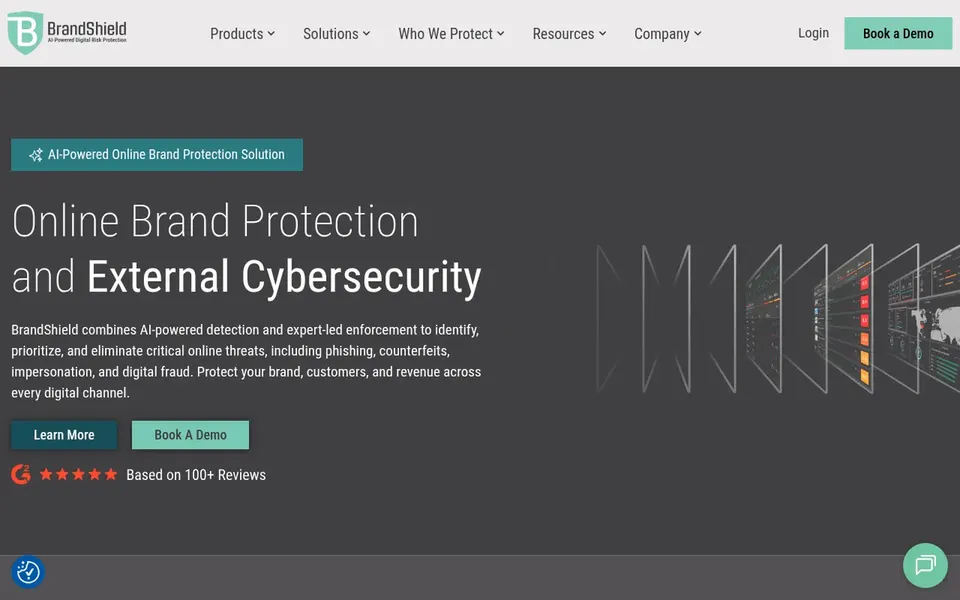
BrandShield is designed for Phishing, counterfeits and fake ads. BrandShield describes an online brand protection option built to defend against phishing, impersonation, counterfeits, fake ads and online abuse. It merges AI-powered detection with expert enforcement, which fits brand, legal and IP teams that require both monitoring and follow-through on abusive listings or profiles.
In practice, teams wanting deep threat intelligence feeds may prefer a dedicated intelligence vendor. Also, ask how rapidly enforcement requests are handled on the marketplaces and networks you care about. BrandShield is oriented toward brand abuse instead of wide enterprise security, so buyers seeking a full security product should look elsewhere. BrandShield does not show a starting price in this comparison, so check the vendor site for current pricing. Trial and free access: Not stated.
Trade-offs to know: Enforcement outcomes vary by product.
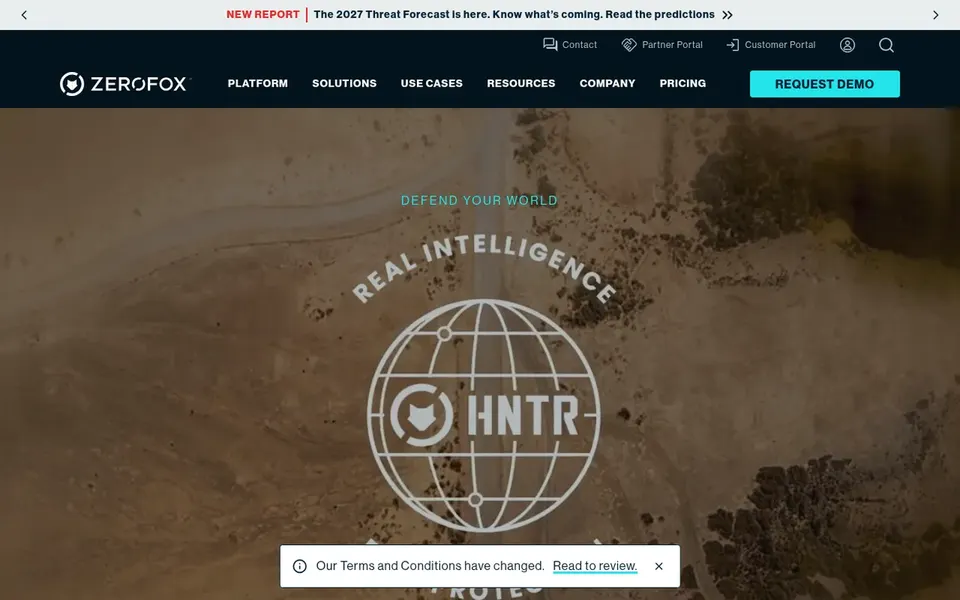
ZeroFox is designed for disrupting external threats at scale. ZeroFox positions itself around actionable intelligence that helps organizations discover, validate and disrupt external threats at scale. That makes it a reasonable first look for security or brand teams that want a single workflow spanning detection through takedown instead of separate point tools for each channel.
Upsides: validation and disruption workflow.
Also, since ZeroFox covers a broad external threat surface, teams with narrow needs may find the scope bigger than required. Confirm which channels and enforcement workflows are documented for your region before committing. This comparison lists no price for ZeroFox; ask the vendor. Trial and free access: Not stated.
What to check first: Wide scope may need tuning to brand use cases.
Ask each vendor, from DarkOwl to ZeroFox, for a written quote; none of them publishes a starting price.
Read the limits listed for DarkOwl first: not a dedicated brand takedown tool.
See whether DarkOwl offers onboarding or training, and whether it is included in the price.
Verify that exporting from ZeroFox is possible on your plan and covers all your records.
Work out what Recorded Future costs with your real seat count, add-ons and usage, not just the entry price.
How we picked
Ainotely used vendor pricing pages and product documentation as the base, then compared plans, free access and documented limits for 5 tools. Plan names, prices and limits change often. Treat the figures here as a starting point and verify them with the vendor. Tools are placed by general fit for software to prevent brand impersonation, with price clarity and free access as tie-breakers. A different team can reasonably rank them differently.
Every price and plan detail on this page comes from the vendors’ own websites. We did not run hands-on tests unless the text says so, and we do not publish star ratings or review scores. See how we score and our disclosure.
Keep your shortlist in one place
Paste prices, trial dates and notes from this guide into Ainotely, our AI note app. It files them into a topic and pulls out tasks like “cancel trial by Friday”. Free 7-day trial, no card needed.
Is DarkOwl the right pick for everyone comparing software to prevent brand impersonation?
No single tool suits every team. DarkOwl comes first because it fits dark web threat intelligence and data, while Constella Intelligence suits identity risk and account takeover and Recorded Future suits real-time threat intelligence context. Match the tool to your own size, budget and workflow before deciding.
How are the tools for software to prevent brand impersonation ordered?
DarkOwl sits first and ZeroFox last because the order follows typical fit for software to prevent brand impersonation, then price clarity and free access. It is a judgement call, so read each profile for fit and limits.
Do these tools publish their prices?
No. None of the tools, from DarkOwl to ZeroFox, shows a fixed starting price here, so budget time for quotes.
Can I try these tools before paying?
Not by default. None of the tools, from DarkOwl to ZeroFox, lists a free plan or a free trial here, so ask each vendor for a demo before committing.
What is brand impersonation prevention software?
It is software that spots and helps remove fake domains, profiles, ads, phishing pages and counterfeit listings that misuse your brand. Some tools focus on detection and takedown, whereas others supply intelligence or identity exposure data that supports the response.