For data privacy management and compliance, TrustArc is where this list starts. Listed starting prices: Secureframe from $7,500 a year. Conveyor fits AI-driven security reviews and RFPs; Secureframe fits compliance automation with expert support. The remaining 3 options are covered below with prices and limits.
Ainotely put together this guide to trust portal software for AI tech businesses for readers who want a clear shortlist without reading every vendor page. It compares 6 tools on starting price, free plans, who each one suits and where each one falls short.
Key takeaways
Number one here is TrustArc, a fit for data privacy management and compliance.
Before buying Secureframe, weigh this: trust portal depth varies by configuration.
For TrustArc, Conveyor, OneTrust and others, you have to request a quote because no starting price is shown.
Vanta is the one to check for automatic compliance with a trust portal.
TrustArc, Vanta and the 4 others all need a premium plan or a trial, since no free plan is listed.
Pick TrustArc if this describes you: data privacy management and compliance. AI tech companies that deal with personal data can use it to support trust portal content around privacy practices.
Choose TrustArc when privacy and data governance are the primary trust concerns. On top of that, TrustArc is centered on privacy management instead of full security compliance automation. TrustArc does not show a starting price in this comparison, so check the vendor site for current pricing. Free options: Not stated.
Trade-offs to know: Privacy-first focus may limit security depth.
Conveyor is aimed squarely at AI-driven security reviews and RFPs. Conveyor provides AI for high-stakes customer requests like security reviews, vendor assessments, and requests for proposal.
In daily use, Conveyor concentrates on answering high-stakes questions instead of managing certifications or privacy programs. Beyond that, AI tech companies facing frequent, in-depth buyer questionnaires can use it to generate accurate, auditable responses. Check the vendor site for Conveyor pricing; none is listed in this comparison. On free options: Not stated.
Drawbacks to consider: Needs clean source content to work well.
Best for: Compliance automation with expert support
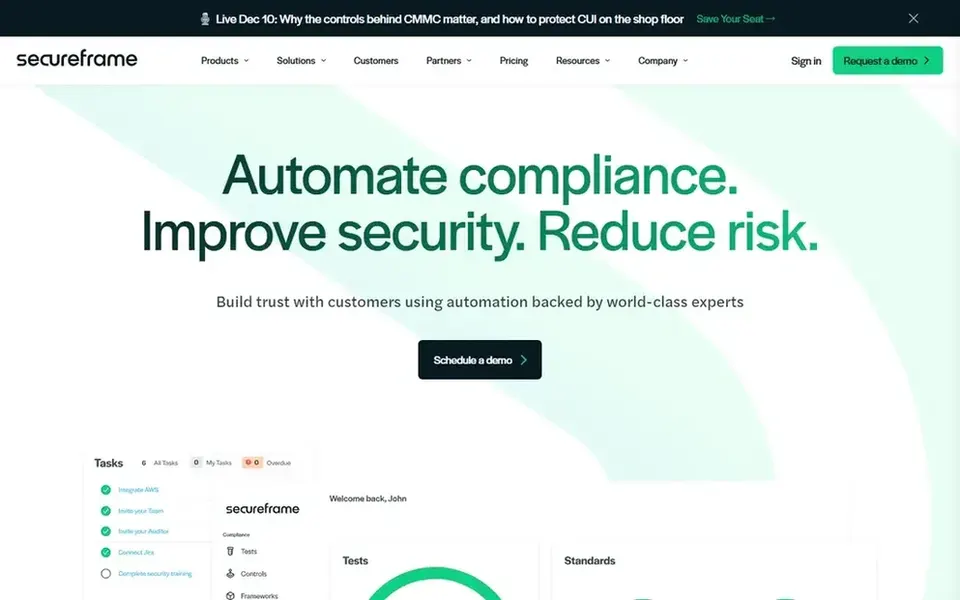
Think of Secureframe for compliance automation with expert support. For AI tech firms, this means a trust portal that can support security questionnaires and buyer assurance.
On top of that, Secureframe helps businesses get compliant, mitigate risk, and build trust with customers using automation backed by world-class experts. On top of that, pick Secureframe when expert-backed compliance and customer trust are central. On cost, Secureframe starts like this: $7,500 per year. Free access: Not stated.
The main drawbacks: Trust portal depth varies by configuration.
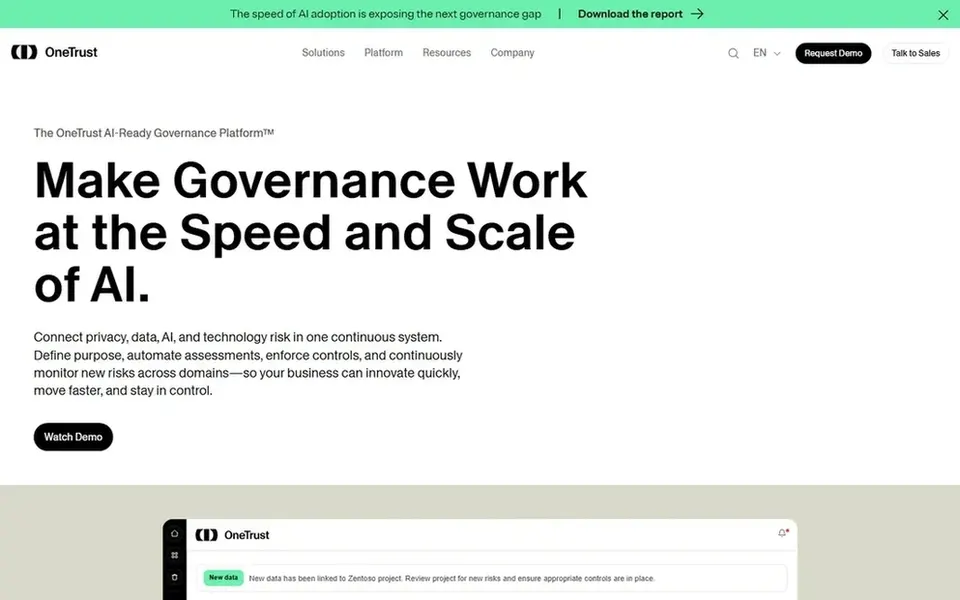
Pick OneTrust if this describes you: privacy, consent, and AI governance. OneTrust helps firms handle privacy, consent, and AI governance whereas automating compliance and reducing risk to build trust and drive innovation.
For everyday use, AI tech companies that require a trust portal to reflect both security and responsible AI practices will find a wide set of controls here. On top of that, teams seeking a straightforward trust portal may find OneTrust more than they need. This comparison lists no price for OneTrust; ask the vendor. On free options: Not stated.
Where it falls short: Can be complicated for small teams.
Choose Whistic for vendor assessments and external risk. Choose Whistic when external risk and evidence sharing are central to your trust strategy.
AI tech firms that depend on plenty of vendors can use it to keep trust portal evidence current and credible. Whistic emphasizes risk operations, so teams wanting only a light trust page may find it heavy. No starting price is listed for Whistic here; confirm pricing on the vendor site. Free options: Not stated.
Limits to weigh: May be more than needed for straightforward portals.
Best for: Automatic compliance with a trust portal
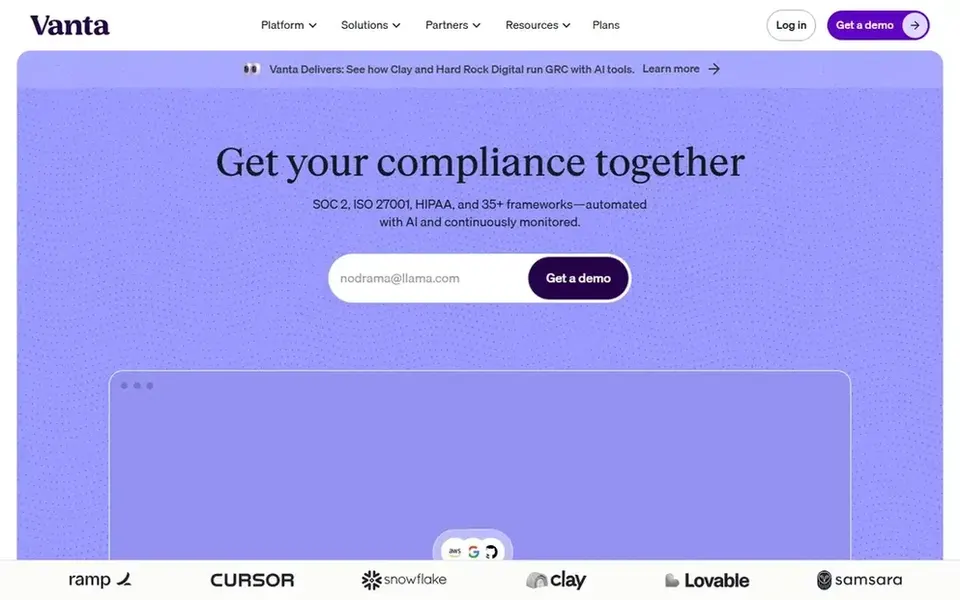
Think of Vanta for automatic compliance with a trust portal. Its trust portal complements this by giving customers a clear view of your security posture.
As for the details, if your buyers demand in-depth AI risk assessments beyond standard security frameworks, you may need a dedicated governance tool alongside it. Pricing for Vanta is not stated here, so ask the vendor for current figures. On free options: Not stated.
Drawbacks to consider: Best value for teams with continuing compliance needs.
Ask TrustArc, Conveyor, OneTrust and others for a written quote, since no starting price is shown.
Before choosing TrustArc, weigh its main limit: privacy-first focus may limit security depth.
List the apps you already depend on and check that Secureframe supports each one on the plan you would buy.
Verify that exporting from OneTrust is possible on your plan and covers all your records.
Ask TrustArc about contract length, onboarding fees and user minimums before you sign.
How we picked
Ainotely used vendor pricing pages and product documentation as the base, then compared plans, free access and documented limits for 6 tools. Where a price is missing, the vendor does not list one publicly or ties it to a quote. Always confirm before budgeting. We ordered the tools by general fit, then by how clearly pricing is shown, then by free access. A buyer with unusual needs may reorder them. This applies to all 6 trust portal software for AI tech businesses options compared here.
Every price and plan detail on this page comes from the vendors’ own websites. We did not run hands-on tests unless the text says so, and we do not publish star ratings or review scores. See how we score and our disclosure.
Keep your shortlist in one place
Paste prices, trial dates and notes from this guide into Ainotely, our AI note app. It files them into a topic and pulls out tasks like “cancel trial by Friday”. Free 7-day trial, no card needed.
How do compliance automation tools differ from AI questionnaire tools?
AI questionnaire tools focus on answering high-stakes customer questions rapidly and accurately. Plenty of AI tech firms use both to handle internal readiness and external trust responses.
What is a trust portal and why does an AI tech business need one?
A trust portal is a customer-facing site that shares security, privacy, and compliance evidence. AI tech companies need one since buyers commonly ask in-depth questions about data handling and model governance.
Is TrustArc the right pick for everyone comparing trust portal software for AI tech businesses?
No single tool suits every team. TrustArc comes first because it fits data privacy management and compliance, while Conveyor suits AI-driven security reviews and RFPs and Secureframe suits compliance automation with expert support. Match the tool to your own size, budget and workflow before deciding.
How are the tools for trust portal software for AI tech businesses ordered?
TrustArc sits first and Vanta last because the order follows typical fit for trust portal software for AI tech businesses, then price clarity and free access. It is a judgement call, so read each profile for fit and limits.
Do these tools publish their prices?
Not all of them. TrustArc, Conveyor, OneTrust and others publish no starting price, so expect a quote request for those. The rest, Secureframe included, show a starting price, though seats and billing terms still change the final cost.
Does any tool for trust portal software for AI tech businesses here have a free plan?
A permanent free plan is not offered by TrustArc, Vanta or the other tools here. Plan a short evaluation period instead.