Best TruValidate Alternatives in 2026: 8 Options Compared

- Our pick for most people is Socure, because it balances price, features and ease of use for the widest group of readers.
- Free plans are real here, but the limits matter: check what Onfido and Jumio actually include before you commit.
- Prices in this guide come from vendor pricing pages and current comparisons checked in October 2026, and they can change, so confirm the plan on the vendor site before you buy.
- The best choice depends on your budget, your experience level and how much support you want, not on which brand is most famous.
Quick comparison
| Product | Ideal for | Price from | Free version | |
|---|---|---|---|---|
 Socure | Identity verification for fraud prevention | See website | No | Visit |
 Onfido | Document and biometric identity checks | See website | Free trial | Visit |
 Jumio | Automated identity verification at scale | See website | No | Visit |
 Veriff | Identity verification for global users | See website | Free trial | Visit |
 Alloy | Identity orchestration for financial services | See website | No | Visit |
 SEON | Fraud prevention with identity signals | See website | Free trial | Visit |
 LexisNexis Risk Solutions | Identity and risk data for regulated firms | See website | No | Visit |
 Experian Identity | Identity verification from a major bureau | See website | No | Visit |
The best TruValidate Alternatives in 2026
We compared official feature pages, pricing pages, app store listings, privacy policies and public reviews to build this list for truvalidate alternatives. Every option below exists and works today, and each one earns its place for a different kind of reader.
Socure
Ideal for: Identity verification for fraud prevention
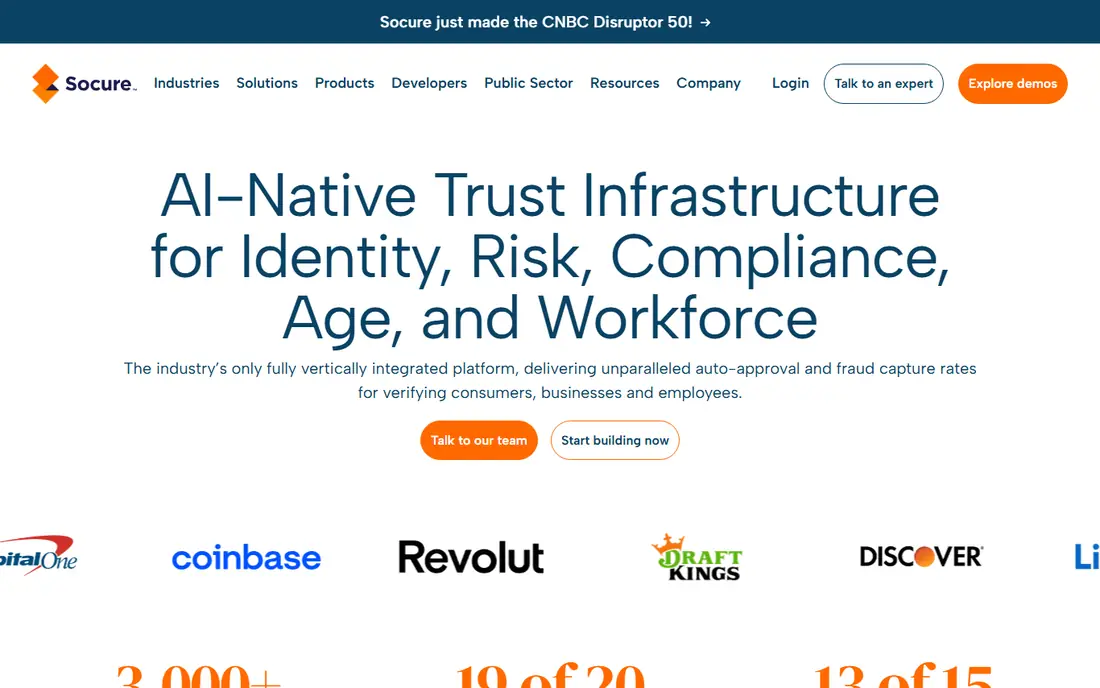
Here is the short version. Socure suits companies that verify identities at scale and need fraud signals beside document checks. It fits readers who want identity verification for fraud prevention, and its published feature set matches that promise rather than trying to cover every possible use case at once. The price picture is see website, with a free plan status of no. Enterprise pricing and setup suit larger teams, so smaller companies should check entry costs early. Before you sign up, check the current plan limits on the official site, because caps on users, usage or features are where most buyers get surprised after the first month.
- Strong fraud models
- Document and biometric checks
- Broad data signals
- Enterprise pricing
- Implementation needs technical work
Onfido
Ideal for: Document and biometric identity checks
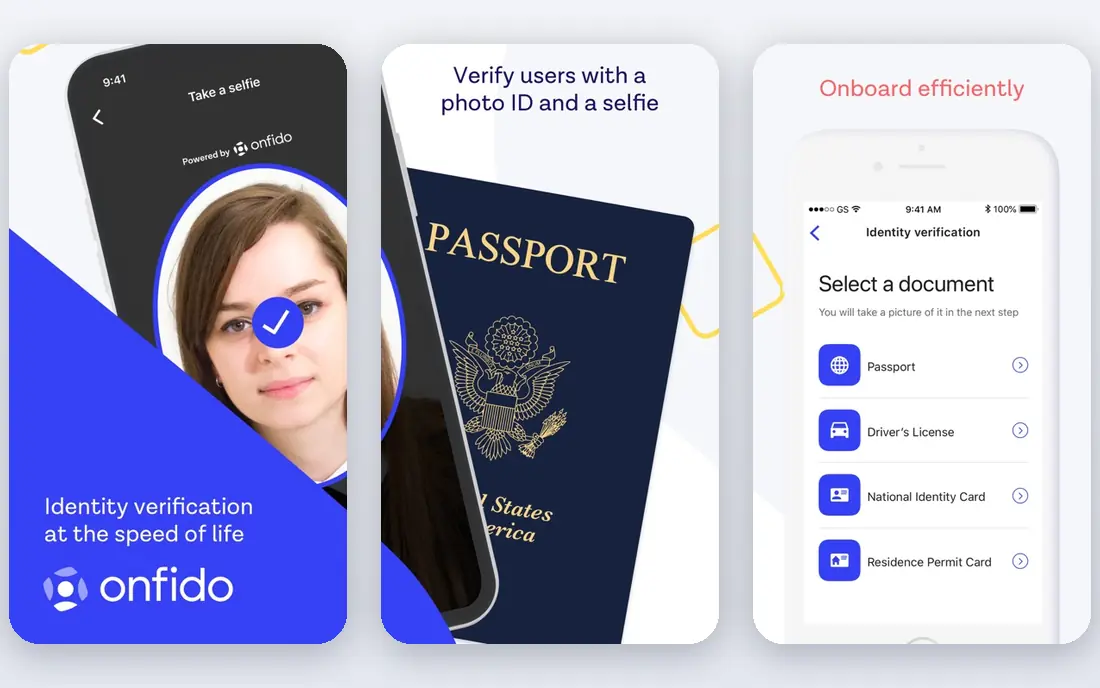
Start here if you want the safe default. Onfido, now part of Entrust, is a well-known choice for document and face verification during onboarding. It fits readers who want document and biometric identity checks, and its published feature set matches that promise rather than trying to cover every possible use case at once. The price picture is see website, with a free plan status of free trial. Volume-based pricing means you should model the cost at your real verification count, not at trial levels. Before you sign up, check the current plan limits on the official site, because caps on users, usage or features are where most buyers get surprised after the first month.
- Document verification
- Facial biometrics
- Global document coverage
- Pricing varies by check volume
- Some features need higher tiers
Jumio
Ideal for: Automated identity verification at scale
This one suits a specific kind of reader. Jumio suits high-volume onboarding where automated document and biometric checks must run fast and consistently. It fits readers who want automated identity verification at scale, and its published feature set matches that promise rather than trying to cover every possible use case at once. The price picture is see website, with a free plan status of no. Smaller teams may find enterprise pricing hard to justify, so get a quote for your volume. Before you sign up, check the current plan limits on the official site, because caps on users, usage or features are where most buyers get surprised after the first month.
- Automated document and biometric checks
- Fraud detection
- Global coverage
- Enterprise pricing
- Setup needs integration work
Veriff
Ideal for: Identity verification for global users
Consider this if the top picks do not fit. Veriff covers many countries and document types, which helps companies onboarding users worldwide. It fits readers who want identity verification for global users, and its published feature set matches that promise rather than trying to cover every possible use case at once. The price picture is see website, with a free plan status of free trial. Check pricing for your main regions, since volume and region both affect the bill. Before you sign up, check the current plan limits on the official site, because caps on users, usage or features are where most buyers get surprised after the first month.
- Document and biometric verification
- Broad country coverage
- Fraud tools
- Pricing varies by volume and region
- Some features need higher plans
Alloy
Ideal for: Identity orchestration for financial services
A strong option for a narrower need. Alloy lets financial firms orchestrate many identity and fraud data sources behind one decision workflow. It fits readers who want identity orchestration for financial services, and its published feature set matches that promise rather than trying to cover every possible use case at once. The price picture is see website, with a free plan status of no. Teams outside financial services may find its focus narrower than a general verification tool. Before you sign up, check the current plan limits on the official site, because caps on users, usage or features are where most buyers get surprised after the first month.
- Orchestration across many data sources
- Decision workflows
- Compliance tools
- Built for financial services
- Pricing is enterprise-focused
SEON
Ideal for: Fraud prevention with identity signals
Worth a close look before you decide. SEON suits companies that want fraud prevention from device, email and behaviour signals, with risk scoring in real time. It fits readers who want fraud prevention with identity signals, and its published feature set matches that promise rather than trying to cover every possible use case at once. The price picture is see website, with a free plan status of free trial. If document verification is the main need, pair it with a document specialist or check its coverage carefully. Before you sign up, check the current plan limits on the official site, because caps on users, usage or features are where most buyers get surprised after the first month.
- Device and email intelligence
- Risk scoring
- Real-time fraud checks
- Full identity document checks are less central than fraud signals
- Pricing grows with usage
LexisNexis Risk Solutions
Ideal for: Identity and risk data for regulated firms
This belongs on the shortlist for a reason. LexisNexis Risk Solutions suits regulated firms that need deep identity and risk data beside verification workflows. It fits readers who want identity and risk data for regulated firms, and its published feature set matches that promise rather than trying to cover every possible use case at once. The price picture is see website, with a free plan status of no. The enterprise model and contract process suit larger organisations best. Before you sign up, check the current plan limits on the official site, because caps on users, usage or features are where most buyers get surprised after the first month.
- Deep identity and risk datasets
- Compliance support
- Fraud tools
- Enterprise pricing
- Onboarding and contracts take time
Experian Identity
Ideal for: Identity verification from a major bureau
Do not overlook this one. Experian Identity draws on bureau data for verification and fraud prevention, which helps firms that already use Experian credit data. It fits readers who want identity verification from a major bureau, and its published feature set matches that promise rather than trying to cover every possible use case at once. The price picture is see website, with a free plan status of no. Product details vary by region, so confirm the exact verification products available in your market. Before you sign up, check the current plan limits on the official site, because caps on users, usage or features are where most buyers get surprised after the first month.
- Bureau data
- Identity verification
- Fraud prevention tools
- Enterprise pricing
- Product scope varies by region
How we picked these
We started from official feature pages and pricing pages, then checked app store listings, privacy policies and public reviews to confirm each product still works and still fits the topic. Products that could not be verified, or that only partly matched the topic, were left out, even when they were well known. We favoured a mix of established leaders and strong smaller options, and we weighted price transparency, a usable free tier or trial, and honest limits more heavily than marketing claims. No product on this list paid for its place, and our pick for most people is the one we would suggest to a friend with ordinary needs and an ordinary budget.
How to choose identity verification that balances safety and conversion
Start with your risk level and your regulation. A bank faces different rules from a marketplace, and the verification depth must match the risk of fraud and the cost of a false rejection. Next, check document and country coverage for your actual users, since a tool that covers US passports well may struggle with documents from your second-largest market. Then check the user experience: a slow or confusing check loses good customers, while a weak check lets fraud through. Test the full flow on real documents during a trial, including low-light photos and older IDs. Also check data handling, retention and privacy, because identity data is sensitive and retention rules differ by region. Confirm pricing at your verification volume, including retries and manual reviews, since those hidden costs change the bill. Finally, check decision tools: the ability to set rules, review edge cases and appeal rejections matters as much as the automated check itself.
Frequently asked questions
What is the best TruValidate alternative?
Socure suits fraud-focused verification at scale, Onfido and Jumio suit document and biometric checks, and Alloy suits financial firms that need orchestration. The right pick depends on volume, regions and regulation.
Is identity verification expensive?
Most tools price per verification, so the cost depends on volume, check type and region. Model the cost at your real monthly volume, including retries and manual reviews.
What documents can these tools verify?
Most verify passports, driving licences and national ID cards across many countries, plus facial biometrics in many cases. Check coverage for the specific documents your users hold.
Do these tools store my customers identity data?
Retention policies vary, and reputable vendors publish data handling and retention details. Check retention periods, hosting regions and deletion options before you choose.
How do I reduce false rejections?
Use clear photo guidance, allow retries, offer manual review for edge cases, and tune risk rules during a trial. A verification flow that rejects good users costs as much as fraud does.