Best CRM for e-commerce platforms in 2026: 8 Options Compared

- 1
 HubSpotCRM with strong e-commerce integrationsVisit
- 2
 Salesforceenterprise CRM for large e-commerceVisit
- 3
 Zoho CRMaffordable CRM for online storesVisit
- 4
 Pipedrivesimple pipeline CRM for small storesVisit
- 5
 FreshsalesCRM with built-in sales engagementVisit
- Our pick for most readers is HubSpot, thanks to its balance of features, clear pricing path, and broad fit for CRM for e-commerce platforms.
- Salesforce is the strongest alternative when you want a different approach to CRM for e-commerce platforms without giving up core features.
- Free plans differ a lot across this list, so check what is actually included before you commit to a paid tier.
- The cheapest option is rarely the best value once you count setup time, limits, and the features your team will use every week.
Quick comparison
| Product | Ideal for | Price from | Free version | |
|---|---|---|---|---|
| HubSpot | CRM with strong e-commerce integrations | See website | Yes | Visit |
| Salesforce | enterprise CRM for large e-commerce | See website | No | Visit |
| Zoho CRM | affordable CRM for online stores | See website | Yes | Visit |
| Pipedrive | simple pipeline CRM for small stores | See website | No | Visit |
| Freshsales | CRM with built-in sales engagement | See website | Yes | Visit |
 Capsule CRM | simple CRM for small e-commerce teams | See website | Yes | Visit |
 Agile CRM | all-in-one CRM for small businesses | See website | Yes | Visit |
 Insightly | CRM with project management for stores | See website | Yes | Visit |
The best CRM for e-commerce platforms
We compared official feature pages, pricing pages, app-store listings, privacy policies, and public reviews to build this list of CRM for e-commerce platforms. The products below cover different budgets and team sizes, so the right pick depends on how you plan to use it day to day.
HubSpot
Ideal for: CRM with strong e-commerce integrations
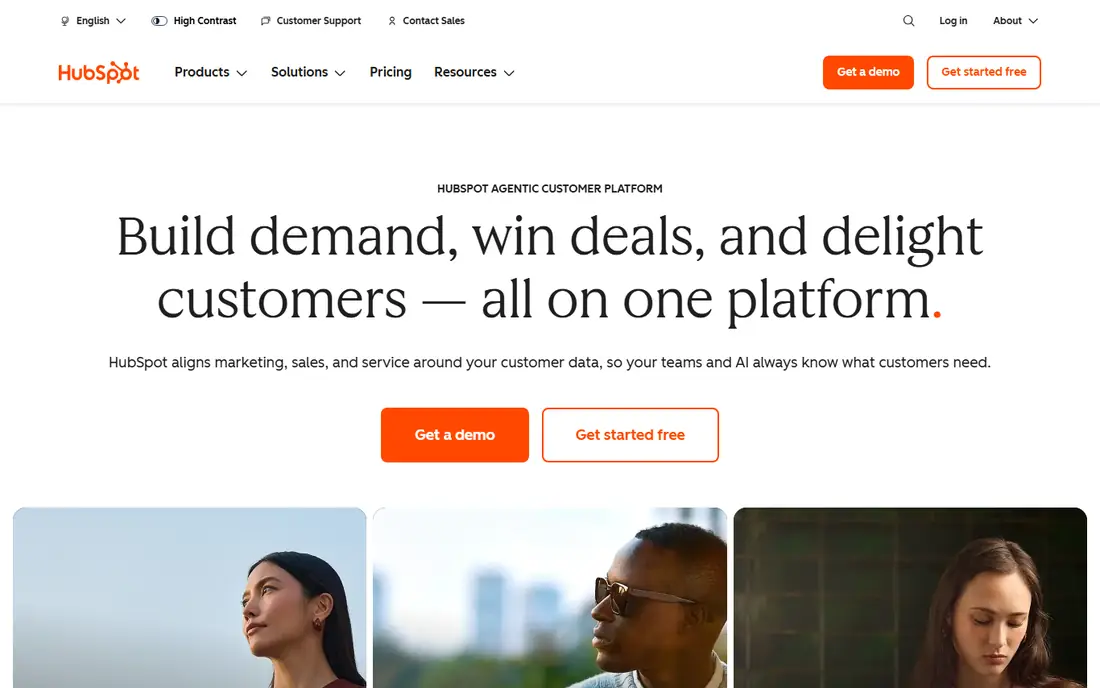
For CRM with strong e-commerce integrations, HubSpot is a strong place to start. We found free crm core to be its clearest strength, and that matters because it shapes how the product feels in daily use. Shopify and woocommerce integrations adds to the appeal, especially for readers who want a tool that works without a long setup project. On pricing, the listing shows see website, with a free plan marked as yes. That combination makes it worth a trial run with your real workflow, rather than judging it from a feature page alone. Check the current pricing page before you buy, since tiers and limits change over time. The honest catch is that advanced marketing tools cost more. Setup takes time is also worth weighing. Even so, for readers focused on CRM with strong e-commerce integrations, HubSpot remains a credible pick, and it compares well with the rest of this list on balance.
- Free CRM core
- Shopify and WooCommerce integrations
- Good automation
- Advanced marketing tools cost more
- Setup takes time
Salesforce
Ideal for: enterprise CRM for large e-commerce
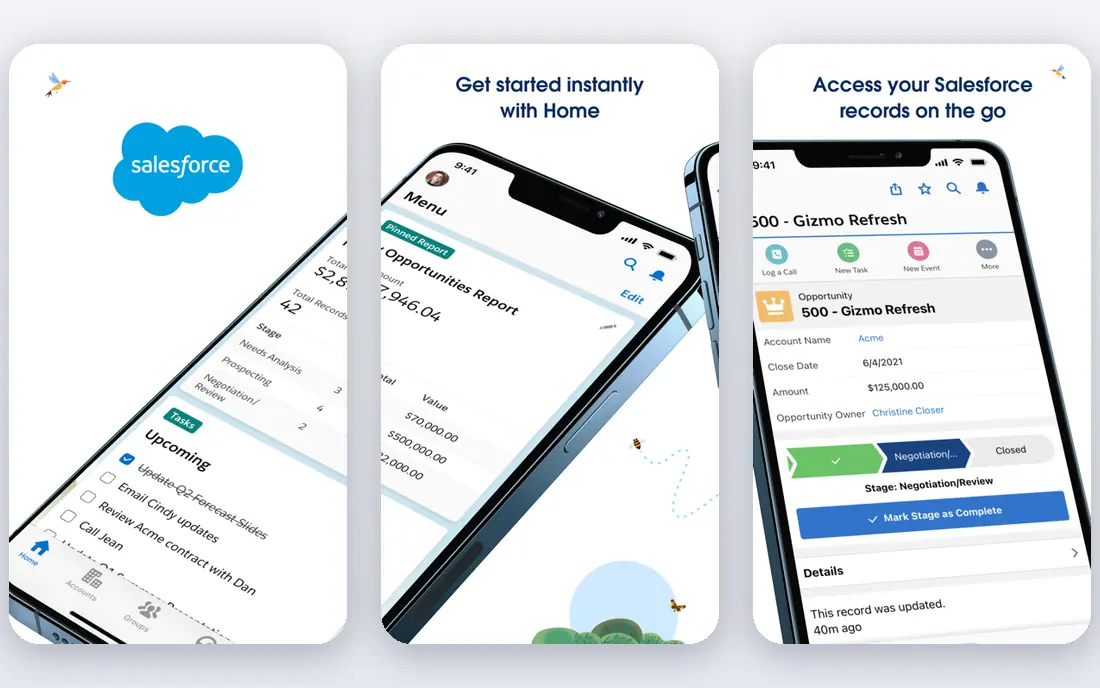
Salesforce is built around enterprise CRM for large e-commerce, and that focus shows in the details. We found deep commerce cloud pairing to be its clearest strength, and that matters because it shapes how the product feels in daily use. Huge app ecosystem adds to the appeal, especially for readers who want a tool that works without a long setup project. On pricing, the listing shows see website, with a free plan marked as no. That combination makes it worth a trial run with your real workflow, rather than judging it from a feature page alone. Check the current pricing page before you buy, since tiers and limits change over time. The honest catch is that complex and costly. Needs admin expertise is also worth weighing. Even so, for readers focused on enterprise CRM for large e-commerce, Salesforce remains a credible pick, and it compares well with the rest of this list on balance.
- Deep Commerce Cloud pairing
- Huge app ecosystem
- Strong analytics
- Complex and costly
- Needs admin expertise
Zoho CRM
Ideal for: affordable CRM for online stores
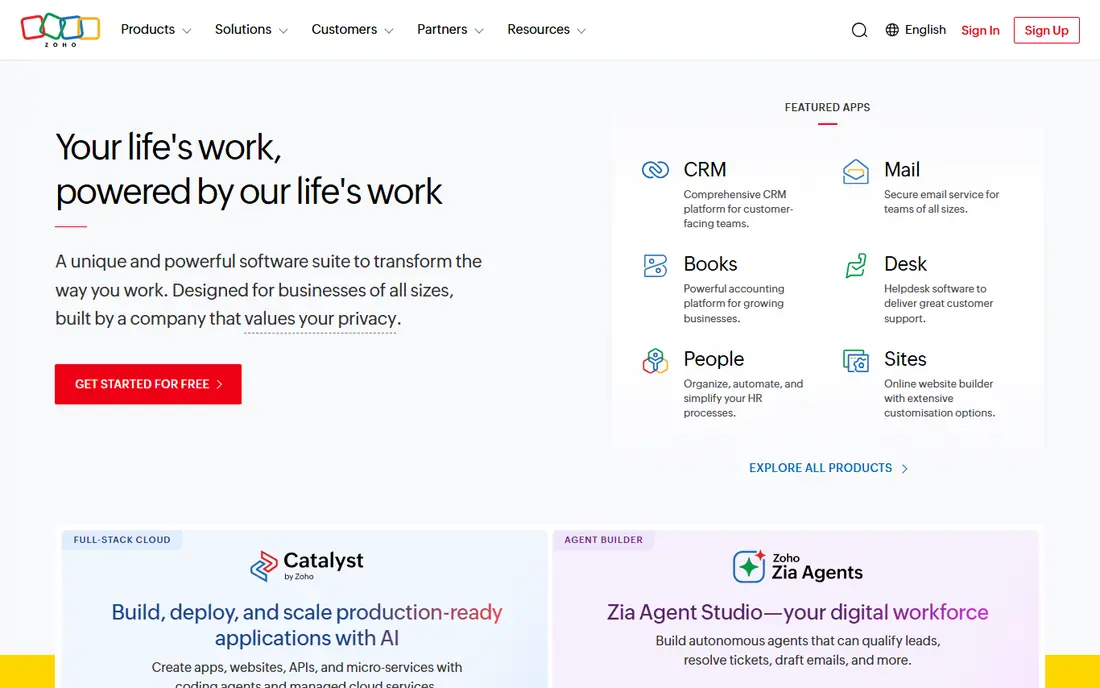
If affordable CRM for online stores is your priority, Zoho CRM deserves a close look. We found good value to be its clearest strength, and that matters because it shapes how the product feels in daily use. E-commerce integrations adds to the appeal, especially for readers who want a tool that works without a long setup project. On pricing, the listing shows see website, with a free plan marked as yes. That combination makes it worth a trial run with your real workflow, rather than judging it from a feature page alone. Check the current pricing page before you buy, since tiers and limits change over time. The honest catch is that interface feels busy. Advanced ai needs higher plans is also worth weighing. Even so, for readers focused on affordable CRM for online stores, Zoho CRM remains a credible pick, and it compares well with the rest of this list on balance.
- Good value
- E-commerce integrations
- Broad Zoho suite
- Interface feels busy
- Advanced AI needs higher plans
Pipedrive
Ideal for: simple pipeline CRM for small stores
Pipedrive earns its place here through simple pipeline CRM for small stores. We found clear pipeline ui to be its clearest strength, and that matters because it shapes how the product feels in daily use. Easy setup adds to the appeal, especially for readers who want a tool that works without a long setup project. On pricing, the listing shows see website, with a free plan marked as no. That combination makes it worth a trial run with your real workflow, rather than judging it from a feature page alone. Check the current pricing page before you buy, since tiers and limits change over time. The honest catch is that less marketing depth. E-commerce features need integrations is also worth weighing. Even so, for readers focused on simple pipeline CRM for small stores, Pipedrive remains a credible pick, and it compares well with the rest of this list on balance.
- Clear pipeline UI
- Easy setup
- Useful automation
- Less marketing depth
- E-commerce features need integrations
Freshsales
Ideal for: CRM with built-in sales engagement
Teams that need CRM with built-in sales engagement often land on Freshsales. We found good free tier to be its clearest strength, and that matters because it shapes how the product feels in daily use. Built-in phone and email adds to the appeal, especially for readers who want a tool that works without a long setup project. On pricing, the listing shows see website, with a free plan marked as yes. That combination makes it worth a trial run with your real workflow, rather than judging it from a feature page alone. Check the current pricing page before you buy, since tiers and limits change over time. The honest catch is that advanced features need higher plans. Smaller app marketplace is also worth weighing. Even so, for readers focused on CRM with built-in sales engagement, Freshsales remains a credible pick, and it compares well with the rest of this list on balance.
- Good free tier
- Built-in phone and email
- AI scoring options
- Advanced features need higher plans
- Smaller app marketplace
Capsule CRM
Ideal for: simple CRM for small e-commerce teams
Capsule CRM takes a practical approach to simple CRM for small e-commerce teams. We found very easy to use to be its clearest strength, and that matters because it shapes how the product feels in daily use. Good value adds to the appeal, especially for readers who want a tool that works without a long setup project. On pricing, the listing shows see website, with a free plan marked as yes. That combination makes it worth a trial run with your real workflow, rather than judging it from a feature page alone. Check the current pricing page before you buy, since tiers and limits change over time. The honest catch is that limited marketing automation. Fewer native store integrations is also worth weighing. Even so, for readers focused on simple CRM for small e-commerce teams, Capsule CRM remains a credible pick, and it compares well with the rest of this list on balance.
- Very easy to use
- Good value
- Clean contact management
- Limited marketing automation
- Fewer native store integrations
Agile CRM
Ideal for: all-in-one CRM for small businesses
Among this group, Agile CRM is a solid choice for all-in-one CRM for small businesses. We found crm plus marketing and service to be its clearest strength, and that matters because it shapes how the product feels in daily use. Good free tier adds to the appeal, especially for readers who want a tool that works without a long setup project. On pricing, the listing shows see website, with a free plan marked as yes. That combination makes it worth a trial run with your real workflow, rather than judging it from a feature page alone. Check the current pricing page before you buy, since tiers and limits change over time. The honest catch is that interface feels dated. Support quality varies is also worth weighing. Even so, for readers focused on all-in-one CRM for small businesses, Agile CRM remains a credible pick, and it compares well with the rest of this list on balance.
- CRM plus marketing and service
- Good free tier
- Affordable paid plans
- Interface feels dated
- Support quality varies
Insightly
Ideal for: CRM with project management for stores
Insightly stands out for CRM with project management for stores. We found crm plus projects to be its clearest strength, and that matters because it shapes how the product feels in daily use. Good google pairing adds to the appeal, especially for readers who want a tool that works without a long setup project. On pricing, the listing shows see website, with a free plan marked as yes. That combination makes it worth a trial run with your real workflow, rather than judging it from a feature page alone. Check the current pricing page before you buy, since tiers and limits change over time. The honest catch is that marketing features are basic. Pricing grows with users is also worth weighing. Even so, for readers focused on CRM with project management for stores, Insightly remains a credible pick, and it compares well with the rest of this list on balance.
- CRM plus projects
- Good Google pairing
- Clear pipeline views
- Marketing features are basic
- Pricing grows with users
How we picked these
We started from the topic itself, what crm is the best for e-commerce platforms, and kept only products that exist, work in October 2026, and truly fit that topic. We read official feature and pricing pages, checked app-store listings where they exist, and scanned privacy policies and public reviews for problems that a feature page would not mention. Products that did not fit, or whose official homepage did not check out, were left out rather than padded into the list. We favored a mix of well-known leaders and strong smaller options, and we weighed everyday usability alongside price. A product that is powerful but hard to set up scores lower here than one your team will actually use. Prices marked as See website mean the vendor quotes by plan, seat, or usage, so the pricing page is the reliable source.
How to pick the right option for your needs
Start with the job you need done, not the longest feature list. Write down the two or three tasks you will do every week, then test the shortlisted products against those tasks during a trial. A short trial with real data tells you more than a demo ever will.
Match the product to your size and budget
Small teams often do best with a simple plan and a clear upgrade path, while larger teams need admin controls, permissions, and support that small plans rarely include. Compare the total cost, including seats, add-ons, and any usage limits, before you sign up.
Check support, privacy, and exit options
Read the privacy policy, check how your data can be exported, and confirm what support you get on the plan you will actually buy. If switching later would be painful, that is a cost too, and it should count in your decision.
Run a short trial before you commit
Set a trial goal, invite the people who will use the product daily, and review the results together. If the product saves time on your real tasks and the team likes using it, it is a good sign. If it needs constant workarounds, keep looking.
Frequently asked questions
What is the best option for CRM for e-commerce platforms?
For most readers, HubSpot is our starting point because it balances features, usability, and pricing. Your best choice still depends on budget, team size, and the specific tasks you need, so use the comparison table above to narrow the list to two or three options and trial them.
Are there free options for CRM for e-commerce platforms?
Yes, several products on this list offer a free tier or a free starting point, though limits apply. Free plans usually cap users, usage, or advanced features, so check what is included and what moves to a paid plan before you build your workflow around one.
How much should I expect to pay?
Pricing varies widely, from free tiers to quote-based enterprise plans, and many vendors price by seat or usage. The table above shows starting prices where vendors publish them, and See website means you should check the vendor pricing page for the plan that fits your team.
How do I choose between the top products?
List your must-have features, then trial your top two choices with real tasks for at least a week. Pay attention to setup time, support quality, and how the product handles your data, since those factors matter more over time than a small price gap.
Can I switch products later if I change my mind?
In most cases yes, but switching costs time, especially if your data, templates, or integrations are tied to one product. Before you commit, check export options and confirm that your key data can move, so a future switch stays practical rather than painful.