Best CNAPP tools for securing cloud apps in 2026: 8 Compared

- 1
 Wizcloud teams who want fast agentless visibilityVisit
- 2
 Palo Alto Prisma Cloudenterprises already using Palo Alto toolsVisit
- 3
 Orca Securityteams who want agentless cloud securityVisit
- 4
 CrowdStrike Falcon Cloud Securityteams already using CrowdStrike endpoint toolsVisit
- 5
 Microsoft Defender for CloudAzure heavy teams who want built in cloud securityVisit
- Our top choice for most readers is Wiz, which balances coverage, ease of use, and clear pricing for best CNAPP tools for securing cloud apps.
- Palo Alto Prisma Cloud is a strong alternative when enterprises already using Palo Alto tools matters more than a single all round option.
- Prices and free plans vary widely across this list, so check the vendor website for the current plan that fits your budget.
- We compared official feature pages, pricing, app-store listings, privacy policies, and public reviews for every option below.
Quick comparison
| Product | Ideal for | Price from | Free version | |
|---|---|---|---|---|
| Wiz | cloud teams who want fast agentless visibility | See website | No | Visit |
| Palo Alto Prisma Cloud | enterprises already using Palo Alto tools | See website | No | Visit |
| Orca Security | teams who want agentless cloud security | See website | No | Visit |
| CrowdStrike Falcon Cloud Security | teams already using CrowdStrike endpoint tools | See website | No | Visit |
| Microsoft Defender for Cloud | Azure heavy teams who want built in cloud security | See website | No | Visit |
 Aqua Security | teams securing containers and cloud native apps | See website | No | Visit |
 Sysdig | teams who want runtime cloud security | See website | No | Visit |
 Lacework | teams who want anomaly based cloud security | See website | No | Visit |
The best CNAPP tools for securing cloud apps
Cloud native application protection platforms combine several cloud security tools, so we compared coverage across workloads, misconfiguration detection, and how clearly each platform prioritises real risks. We compared official feature pages, pricing, app-store listings, privacy policies, and public reviews to build this list, and we focused on options that work in October 2026.
Wiz
Ideal for: cloud teams who want fast agentless visibility
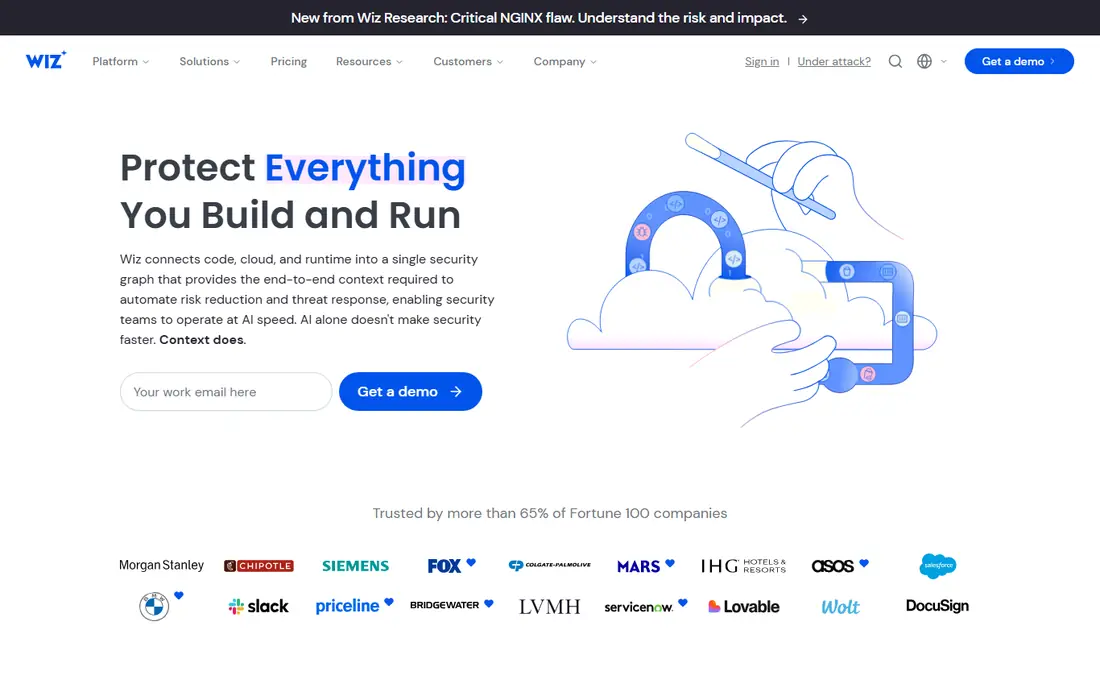
Wiz fits cloud teams who want fast agentless visibility. Wiz is known for fast agentless visibility across cloud accounts, with risk graphs that show how issues connect. The starting price is shown on the vendor website, and there is no free plan. Enterprise pricing and cloud expertise requirements mean smaller teams should trial it carefully.
What stood out in our comparison was agentless cloud scanning. The honest catch is enterprise pricing. Support and setup matter here too, so check help pages and onboarding before you commit to a paid plan.
If cloud teams who want fast agentless visibility is your main need, Wiz deserves a close look, but check setup needs cloud expertise before you commit. We also weighed how clearly Wiz explains its pricing and privacy terms, since vague terms often hide extra costs. Our pick for most readers in this group is the option that balances price, coverage, and ease of use.
- Agentless cloud scanning
- Risk prioritisation
- Broad cloud coverage
- Enterprise pricing
- Setup needs cloud expertise
Palo Alto Prisma Cloud
Ideal for: enterprises already using Palo Alto tools
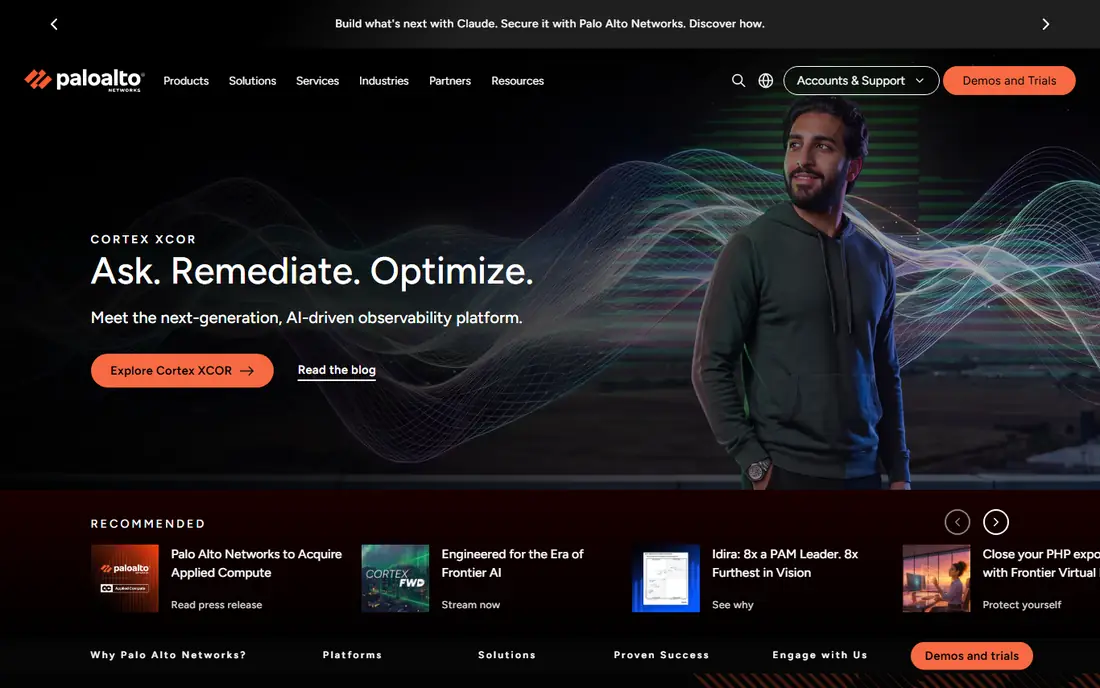
Palo Alto Prisma Cloud fits enterprises already using Palo Alto tools. Prisma Cloud offers broad CNAPP coverage with compliance and workload protection for enterprises. The starting price is shown on the vendor website, and there is no free plan. Its breadth adds complexity, so teams need time to configure it well.
What stood out in our comparison was broad CNAPP coverage. The honest catch is enterprise pricing. Integration with tools you already use can matter as much as the headline feature, so confirm that link early.
If enterprises already using Palo Alto tools is your main need, Palo Alto Prisma Cloud deserves a close look, but check complexity before you commit. We also weighed how clearly Palo Alto Prisma Cloud explains its pricing and privacy terms, since vague terms often hide extra costs. We would shortlist this one beside the category leader and compare them on a real trial.
- Broad CNAPP coverage
- Compliance tools
- Large platform
- Enterprise pricing
- Complexity
Orca Security
Ideal for: teams who want agentless cloud security
Orca Security fits teams who want agentless cloud security. Orca Security uses agentless side scanning to find risks without installing agents on every workload. The starting price is shown on the vendor website, and there is no free plan. Enterprise pricing suits larger teams, so smaller firms should compare simpler tools first.
What stood out in our comparison was agentless scanning. The honest catch is enterprise pricing. Privacy terms deserve a read as well, especially where personal or payment data is involved.
If teams who want agentless cloud security is your main need, Orca Security deserves a close look, but check coverage varies by cloud before you commit. We also weighed how clearly Orca Security explains its pricing and privacy terms, since vague terms often hide extra costs. This is a solid second choice when the leading option does not cover your area or budget.
- Agentless scanning
- Side scanning
- Risk prioritisation
- Enterprise pricing
- Coverage varies by cloud
CrowdStrike Falcon Cloud Security
Ideal for: teams already using CrowdStrike endpoint tools
CrowdStrike Falcon Cloud Security fits teams already using CrowdStrike endpoint tools. Falcon Cloud Security pairs cloud protection with CrowdStrike threat intelligence. The starting price is shown on the vendor website, and there is no free plan. Teams outside the CrowdStrike ecosystem may find a standalone CNAPP simpler.
What stood out in our comparison was cloud workload protection. The honest catch is enterprise pricing. Trial periods and free tiers are worth using first, since a short test often reveals more than a feature list.
If teams already using CrowdStrike endpoint tools is your main need, CrowdStrike Falcon Cloud Security deserves a close look, but check platform breadth before you commit. We also weighed how clearly CrowdStrike Falcon Cloud Security explains its pricing and privacy terms, since vague terms often hide extra costs. It earns a place here on the strength of its core feature, even though it is not the best all rounder.
- Cloud workload protection
- CrowdStrike integration
- Threat intel
- Enterprise pricing
- Platform breadth
Microsoft Defender for Cloud
Ideal for: Azure heavy teams who want built in cloud security
Microsoft Defender for Cloud fits Azure heavy teams who want built in cloud security. Defender for Cloud is a natural pick for Azure heavy teams, with posture management built into Azure. The starting price is shown on the vendor website, and there is no free plan. Multi cloud teams should check depth for AWS and Google Cloud before relying on it alone.
What stood out in our comparison was Azure integration. The honest catch is best in Azure. Long term cost matters as much as the starting price, so check what happens when you add users or usage.
If Azure heavy teams who want built in cloud security is your main need, Microsoft Defender for Cloud deserves a close look, but check multi cloud depth varies before you commit. We also weighed how clearly Microsoft Defender for Cloud explains its pricing and privacy terms, since vague terms often hide extra costs. We kept it in the list because it serves a specific need better than more general rivals.
- Azure integration
- Security posture management
- Workload protection
- Best in Azure
- Multi cloud depth varies
Aqua Security
Ideal for: teams securing containers and cloud native apps
Aqua Security fits teams securing containers and cloud native apps. Aqua Security focuses on containers and cloud native workloads, with runtime protection for production apps. The starting price is shown on the vendor website, and there is no free plan. Its container focus means broader CNAPP buyers should check coverage for other workloads.
What stood out in our comparison was container security. The honest catch is learning curve. Customer reviews can highlight recurring problems, so look for patterns rather than single complaints.
If teams securing containers and cloud native apps is your main need, Aqua Security deserves a close look, but check enterprise pricing before you commit. We also weighed how clearly Aqua Security explains its pricing and privacy terms, since vague terms often hide extra costs. It is worth a trial if its main strength matches the problem you are trying to solve.
- Container security
- Cloud native focus
- Runtime protection
- Learning curve
- Enterprise pricing
Sysdig
Ideal for: teams who want runtime cloud security
Sysdig fits teams who want runtime cloud security. Sysdig stands out for runtime detection in containers and cloud workloads. The starting price is shown on the vendor website, and there is no free plan. Setup complexity and enterprise pricing suit larger teams with dedicated security staff.
What stood out in our comparison was runtime detection. The honest catch is enterprise pricing. Ease of use for everyone on your team counts, since a tool only one person understands will not stick.
If teams who want runtime cloud security is your main need, Sysdig deserves a close look, but check setup complexity before you commit. We also weighed how clearly Sysdig explains its pricing and privacy terms, since vague terms often hide extra costs. We would test it for a week on a real task before moving a whole team or household to it.
- Runtime detection
- Container security
- Cloud posture
- Enterprise pricing
- Setup complexity
Lacework
Ideal for: teams who want anomaly based cloud security
Lacework fits teams who want anomaly based cloud security. Lacework uses anomaly detection to spot unusual cloud behaviour beside posture checks. The starting price is shown on the vendor website, and there is no free plan. Since its acquisition by Fortinet, buyers should confirm current product and pricing terms.
What stood out in our comparison was anomaly detection. The honest catch is acquired by Fortinet, so check current product terms. Check update frequency and support responsiveness, because neglected apps fall behind quickly.
If teams who want anomaly based cloud security is your main need, Lacework deserves a close look, but check enterprise pricing before you commit. We also weighed how clearly Lacework explains its pricing and privacy terms, since vague terms often hide extra costs. It stands out for value rather than breadth, which suits buyers with a clear single need.
- Anomaly detection
- Cloud posture
- Workload protection
- Acquired by Fortinet, so check current product terms
- Enterprise pricing
How we picked these
We started from the topic itself and shortlisted products that genuinely fit it, rather than adding well known names that only partly match. For each candidate we checked its official feature pages and pricing, looked at its app-store listing where one exists, and read its privacy terms and public reviews for recurring problems. Products that were discontinued, region locked for the stated market, or impossible to verify were left out. We then ranked the list by fit for the stated need, breadth of coverage, clarity of pricing, and ease of use for ordinary readers. No product paid for a place on this list, and our pick for most people is the one that balances those factors best, not the one with the longest feature list.
How to choose a CNAPP for your cloud
Use the points below as a checklist before you sign up, since the right choice depends on your budget, your device, and how often you will actually use the service.
Check coverage for your clouds and workloads, including containers, serverless, and virtual machines.
Look for risk prioritisation that links a misconfiguration to an exposed workload, not just a long list of findings.
Test agentless versus agent based scanning, since each suits different teams and workloads.
Frequently asked questions
What is the best option for best CNAPP tools for securing cloud apps?
For most readers, Wiz is a strong starting point because it covers cloud teams who want fast agentless visibility well and its pricing is clear. That said, the best choice depends on your budget, your location, and how often you will use it. Shortlist two or three options from this list and test them before you commit.
Are there free options for best CNAPP tools for securing cloud apps?
Yes, several options in this list offer a free plan or a free tier, including Wiz where a free plan is listed. Free plans usually limit features, storage, or usage, so check those limits against your needs. If you use the service daily, a paid plan often works out better than juggling free limits.
How much do these options cost?
Costs vary widely, and several vendors list pricing only on their own websites, so we mark those as See website in the comparison table. Compare the total monthly cost, including extra users, add ons, and transaction fees, rather than the headline price alone. A free trial is a good way to test value before paying.
How do I choose between the top options?
Start with the problem you need to solve, then check coverage for your area, device support, and pricing. Read the privacy terms if the service handles personal data, and look for recent public reviews that mention support quality. A short trial on a real task usually makes the choice clear.
Can I switch later if I pick the wrong one?
In most cases yes, though switching takes more effort when you have stored data, scheduled items, or a team using the service. Export your data before you cancel, and check whether the new service can import it. Keep your old account active until the new setup is working smoothly.