Best Digital OOH Services in 2026: 8 Services Compared

- 1
 BroadsignDOOH network managementVisit
- 2
 Place ExchangeProgrammatic DOOH buyingVisit
- 3
 Vistar MediaProgrammatic DOOH platformVisit
- 4
 Clear Channel OutdoorLarge-format DOOH inventoryVisit
- 5
 OutfrontTransit and billboard DOOHVisit
- Our pick for most people is Broadsign, because it covers dooh network management with the fewest trade-offs in this group.
- There is no strong free tier across this whole group, so check the trial terms on the official site before you commit to a paid plan.
- Place Exchange is the best second look when Broadsign does not fit, since it serves programmatic dooh buying rather than the same audience.
- Prices and plan limits change often, so confirm the current terms on each vendor site and read the fine print on limits, renewals and cancellation.
Quick comparison
| Product | Ideal for | Price from | Free version | |
|---|---|---|---|---|
| Broadsign | DOOH network management | See website | No | Visit |
| Place Exchange | Programmatic DOOH buying | See website | No | Visit |
| Vistar Media | Programmatic DOOH platform | See website | No | Visit |
| Clear Channel Outdoor | Large-format DOOH inventory | See website | No | Visit |
| Outfront | Transit and billboard DOOH | See website | No | Visit |
 Lamar | Billboard and digital displays | See website | No | Visit |
 Hivestack | Global programmatic DOOH | See website | No | Visit |
 AdQuick | Simple OOH planning and buying | See website | No | Visit |
The best digital OOH services
Choosing among options for where to find the best digital ooh services comes down to fit, not fame. We compared official feature pages, pricing pages, app store listings, privacy policies and public reviews for each option below, and we weighed what you actually get on the entry plan against what stays behind a paywall. Broadsign leads this list because it handles dooh network management well for the widest range of readers, but the right choice depends on your budget, your team size and how much hand-holding you want. Read the shortlist with your own situation in mind. A cheaper tool that you actually use beats a powerful one that sits untouched, and a plan that looks cheap on the monthly line can cost more once add-ons and limits are counted. Take notes as you read, and shortlist two or three options to test before you decide.
Broadsign
Ideal for: DOOH network management
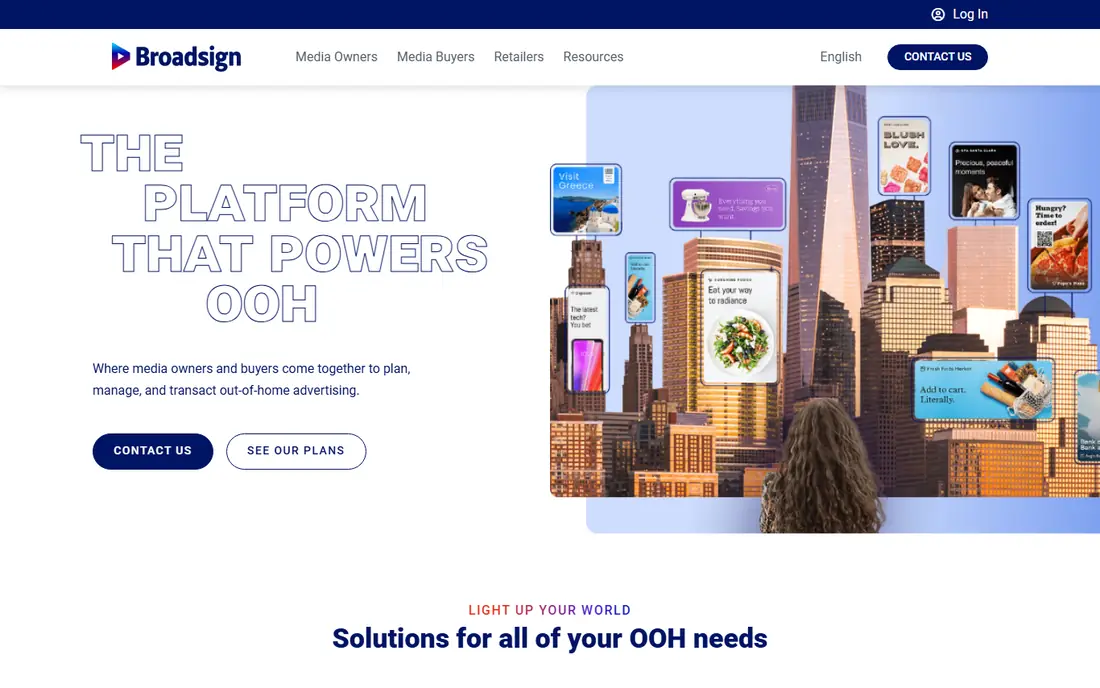
Broadsign runs the software behind many digital out-of-home networks, covering content, programmatic sales and network management. Its platform suits media owners and large buyers who need one system for many screens. For readers focused on dooh network management, the appeal is full DOOH platform for networks. That strength matters in daily use, because it is the part you will notice every week, not a feature you open once and forget. Compare it against the rest of the list on that one point first, then look at price, platform support and how the company handles your data. The honest weakness is enterprise focus. pricing is quote-based Try it on a real task before you pay, and check whether the entry plan covers the feature you actually need.
- Full DOOH platform for networks
- Programmatic tools
- Content management
- Enterprise focus
- Pricing is quote-based
Place Exchange
Ideal for: Programmatic DOOH buying
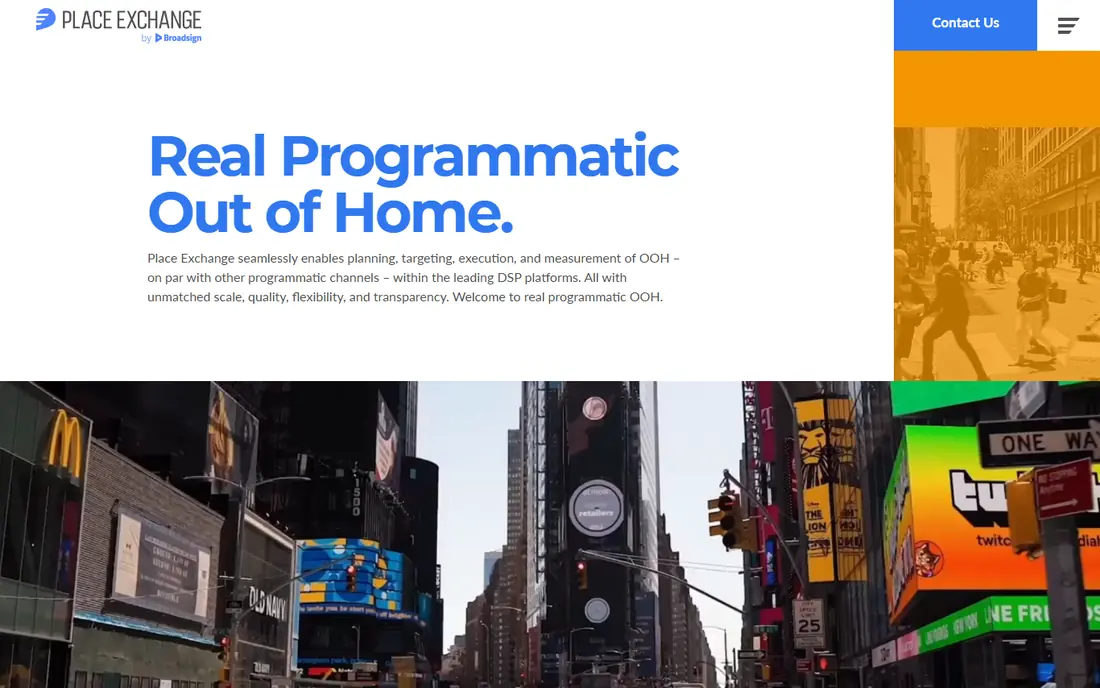
Place Exchange lets buyers purchase digital out-of-home programmatically across many networks, with measurement tied to real outcomes. Its scale helps brands run DOOH alongside other programmatic channels. For readers focused on programmatic dooh buying, the appeal is programmatic buying across many networks. That strength matters in daily use, because it is the part you will notice every week, not a feature you open once and forget. Compare it against the rest of the list on that one point first, then look at price, platform support and how the company handles your data. Watch out for buyer-focused. media owners need other tools If you can live with that limit, the rest of the package is easy to recommend for its audience.
- Programmatic buying across many networks
- Measurement tools
- Large inventory
- Buyer-focused
- Media owners need other tools
Vistar Media
Ideal for: Programmatic DOOH platform
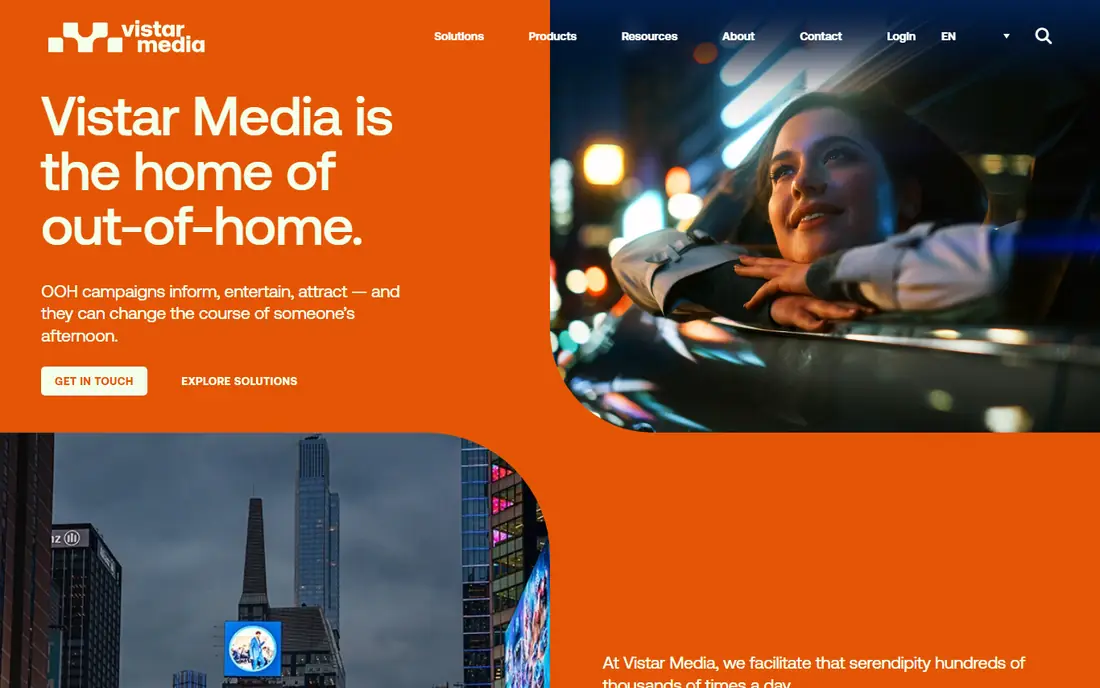
Vistar Media operates both sides of programmatic DOOH, connecting media owners with buyers and adding targeting and measurement. Its global reach suits brands running campaigns across countries. For readers focused on programmatic dooh platform, the appeal is supply and demand platform. That strength matters in daily use, because it is the part you will notice every week, not a feature you open once and forget. Compare it against the rest of the list on that one point first, then look at price, platform support and how the company handles your data. The catch is pricing is quote-based. complexity for small buyers If that trade-off is acceptable for how you work, this is a solid choice, and a short trial will tell you more than any review can.
- Supply and demand platform
- Targeting and measurement
- Global reach
- Pricing is quote-based
- Complexity for small buyers
Clear Channel Outdoor
Ideal for: Large-format DOOH inventory
Clear Channel Outdoor owns large-format billboards and digital screens in major cities, offering direct access to premium locations. Its inventory suits brands that want landmark placements in busy urban areas. For readers focused on large-format dooh inventory, the appeal is huge billboard and transit inventory. That strength matters in daily use, because it is the part you will notice every week, not a feature you open once and forget. Compare it against the rest of the list on that one point first, then look at price, platform support and how the company handles your data. The honest weakness is direct buying suits larger budgets. programmatic access varies Try it on a real task before you pay, and check whether the entry plan covers the feature you actually need.
- Huge billboard and transit inventory
- Digital screens in major cities
- Direct sales
- Direct buying suits larger budgets
- Programmatic access varies
Outfront
Ideal for: Transit and billboard DOOH
Outfront runs transit and billboard networks across the US, with digital screens in stations, roadsides and city centers. Its transit strength suits campaigns targeting commuters in major metros. For readers focused on transit and billboard dooh, the appeal is strong transit and billboard network. That strength matters in daily use, because it is the part you will notice every week, not a feature you open once and forget. Compare it against the rest of the list on that one point first, then look at price, platform support and how the company handles your data. Watch out for direct sales focus. smaller programmatic path If you can live with that limit, the rest of the package is easy to recommend for its audience.
- Strong transit and billboard network
- Digital screens
- US coverage
- Direct sales focus
- Smaller programmatic path
Lamar
Ideal for: Billboard and digital displays
Lamar operates one of the largest US billboard networks, with a growing set of digital displays and local sales teams. Its local presence helps regional brands buy screens in their own markets. For readers focused on billboard and digital displays, the appeal is one of the largest US billboard networks. That strength matters in daily use, because it is the part you will notice every week, not a feature you open once and forget. Compare it against the rest of the list on that one point first, then look at price, platform support and how the company handles your data. The catch is digital share varies by market. rural coverage differs If that trade-off is acceptable for how you work, this is a solid choice, and a short trial will tell you more than any review can.
- One of the largest US billboard networks
- Growing digital screens
- Local sales
- Digital share varies by market
- Rural coverage differs
Hivestack
Ideal for: Global programmatic DOOH
Hivestack, now part of Perion, runs a global programmatic DOOH platform with data-driven targeting and measurement. Its header bidding approach helps media owners earn more from their screens. For readers focused on global programmatic dooh, the appeal is programmatic platform with global inventory. That strength matters in daily use, because it is the part you will notice every week, not a feature you open once and forget. Compare it against the rest of the list on that one point first, then look at price, platform support and how the company handles your data. The honest weakness is enterprise focus. smaller buyers may find it complex Try it on a real task before you pay, and check whether the entry plan covers the feature you actually need.
- Programmatic platform with global inventory
- Data and measurement
- Header bidding
- Enterprise focus
- Smaller buyers may find it complex
AdQuick
Ideal for: Simple OOH planning and buying
AdQuick makes out-of-home buying simpler, with planning tools, transparent pricing and analytics for billboards and digital screens. Its approach suits brands new to OOH who want a clear, self-serve path to booking. For readers focused on simple ooh planning and buying, the appeal is easy planning and buying tools. That strength matters in daily use, because it is the part you will notice every week, not a feature you open once and forget. Compare it against the rest of the list on that one point first, then look at price, platform support and how the company handles your data. Watch out for inventory depth varies by market. smaller screens less covered If you can live with that limit, the rest of the package is easy to recommend for its audience.
- Easy planning and buying tools
- Transparent pricing
- Analytics
- Inventory depth varies by market
- Smaller screens less covered
How we picked these
We started from the topic itself and kept only products that exist and work today and truly fit it. For each one we checked the official homepage, the pricing page and the free tier, and we read app store listings, privacy policies and public reviews where they were relevant. Products with a homepage we could not verify were left out, and prices we could not verify are shown as See website rather than guessed. We favored a mix of well-known leaders and strong smaller options, and we weighed entry price, free tier, platform coverage and honest weaknesses. No product here paid for its place, and we did not claim hands-on testing we did not do. What follows is a comparison of published facts, so you can check any claim on the vendor site before you buy.
Buying digital out-of-home advertising well
Start by naming your goal and geography, whether it is brand awareness in one city or reach across many markets, and pick a buying path that fits. Programmatic suits flexible multi-city campaigns, while direct buys suit landmark placements. Next, ask how each vendor measures results and what creative specs screens need. Compare two finalists on inventory in your target areas, measurement honesty and total cost including production.
Frequently asked questions
What is digital OOH?
Digital out-of-home, or DOOH, is advertising on digital screens in public places, such as billboards, transit stations and malls. Unlike static billboards, digital screens can rotate creatives and update by time or weather.
What is programmatic DOOH?
Programmatic DOOH buys screen time automatically through platforms, using data to target audiences and times. It suits campaigns that need flexibility across many screens and cities.
How much does DOOH cost?
Costs vary hugely by location, screen size and duration, from modest local screens to premium city landmarks. Programmatic buying often starts lower, while direct landmark buys cost far more.
How is DOOH measured?
Measurement uses mobile location data, traffic counts and sales lift studies to estimate who saw an ad. Ask vendors how they measure, since methods differ and some claims are optimistic.
Can small businesses use DOOH?
Yes, programmatic platforms and tools such as AdQuick let smaller brands buy limited screens in one city. Start with one neighborhood and a clear offer, then expand what works.