Best Self-Driving Car Companies in 2026: 8 Companies Compared

- Waymo runs the most widely available paid driverless service in the United States, in several major cities.
- Tesla puts driver assistance in privately owned cars, which is a very different model from a robotaxi fleet.
- Cruise, Zoox, and Motional are each at a different stage of testing and limited public service.
- For most riders, local availability matters more than any single technical claim.
Quick comparison
| Product | Ideal for | Price from | Free version | |
|---|---|---|---|---|
 Waymo | Riders in supported cities | See website | No | Visit |
 Tesla | Owners wanting driver assistance | See website | No | Visit |
 Cruise | Watching robotaxi progress | See website | No | Visit |
 Zoox | Robotaxi design fans | See website | No | Visit |
 Mobileye | Automakers and tech buyers | See website | No | Visit |
 Aurora | Freight and trucking interest | See website | No | Visit |
 Motional | Ride-hail in test cities | See website | No | Visit |
 Nuro | Local delivery use | See website | No | Visit |
The best self-driving car companies
There is no single winner here, because the companies below are solving different problems. Some run paid robotaxi services you can ride today, while others sell driver assistance systems for cars you own. We compared availability, published safety information, and how each system actually works in daily use, so you can see which approach fits your city and your driving habits.
Waymo
Ideal for: Riders in supported cities
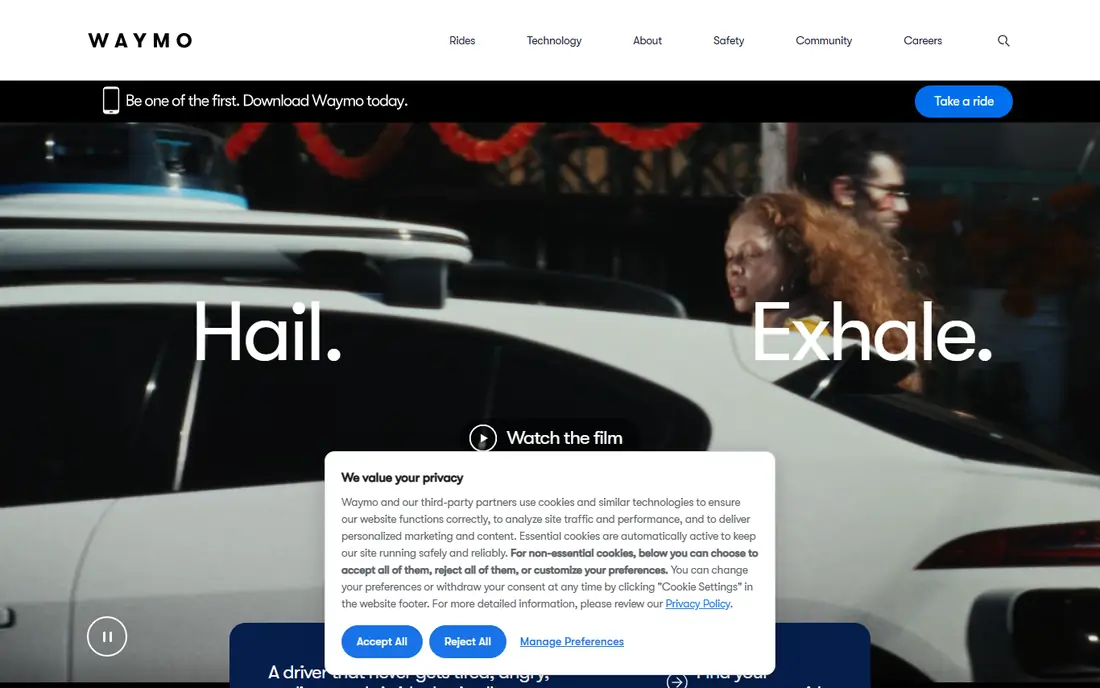
Waymo is our pick for most riders who want to actually use a driverless car today, because it operates a real paid service rather than a demo. Its cars run without a human driver in the front seat in the cities where it operates.
What stands out is a service you can book and ride now, with safety reports published on its own site The honest catch is coverage is limited to approved areas, so many readers cannot use it yet Prices and plan details change, so confirm the current offer on the vendor site before you commit.
Check the Waymo site for your city before assuming it is available near you, since expansion happens city by city and street by street.
- Operates paid driverless rides in multiple cities
- Purpose built vehicles with no driver
- Detailed public safety reporting
- Service limited to certain cities
- Wait times and coverage vary by area
Tesla
Ideal for: Owners wanting driver assistance
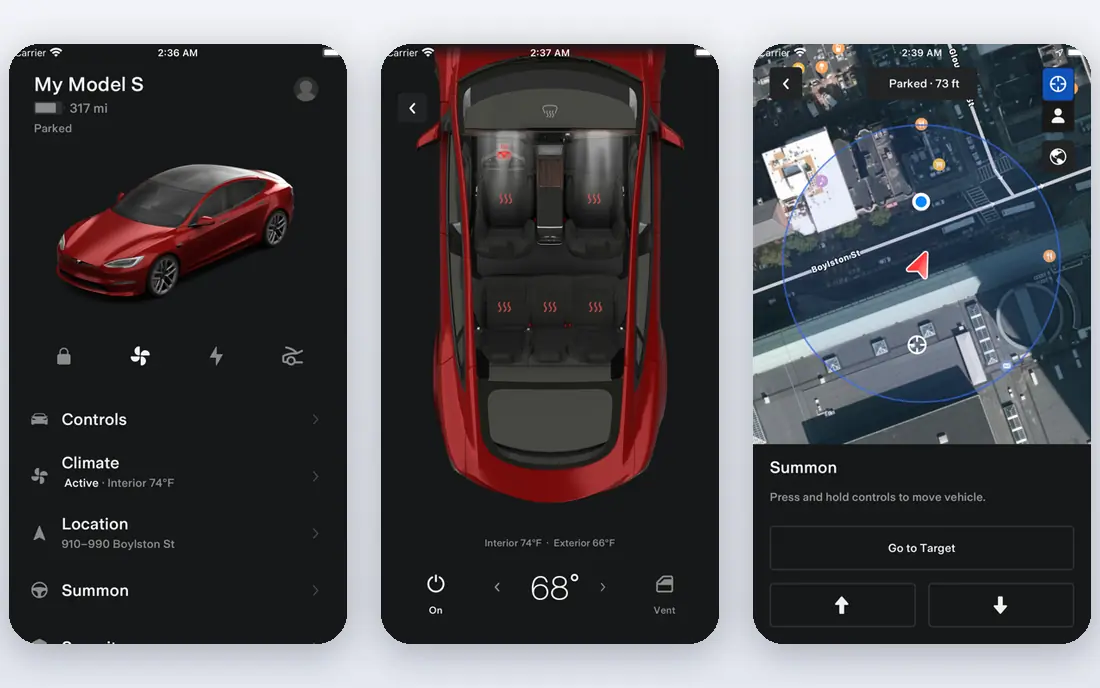
Tesla suits drivers who want assistance features in their own car rather than a ride in someone else's fleet. Its driver assistance package is the most widely deployed of its kind, and it improves through software updates.
What stands out is driver assistance in a car you own, with a very large fleet on the road The honest catch is its supervised system still needs an attentive driver, and it is not the same as a robotaxi Before buying, confirm pricing and plan limits on the vendor site, since published details can change.
If you are choosing between Tesla and a robotaxi, decide first whether you want to own the car or simply be driven.
- Autopilot and Full Self-Driving features ship in cars owners buy
- Large fleet gathers road data
- Regular software updates
- Full Self-Driving requires supervision and is not a driverless taxi service
- Pricing and feature names have changed often
Cruise
Ideal for: Watching robotaxi progress
Cruise is worth watching because of its General Motors backing and its city testing history, but it is not the easiest service to ride today. Its record shows both the promise and the setbacks of the robotaxi model.
What stands out is major automaker backing and long city testing history The honest catch is service availability has been uneven after safety reviews and pauses Check the vendor site for the latest pricing, since plans, tiers, and terms change over time.
Treat Cruise as a company to track rather than a service to rely on for daily trips right now.
- Backed by General Motors
- Purpose built Origin vehicle shown publicly
- Years of city testing
- Public service has been limited and paused at times after safety incidents
- Availability is narrow
Zoox
Ideal for: Robotaxi design fans
Zoox takes the most radical design approach on this list, building a vehicle from scratch for passengers rather than adapting a normal car. That design could pay off, but it also means a longer road to wide availability.
What stands out is a vehicle designed only for passengers, with no driver controls at all The honest catch is public access is still limited to testing and small pilots For current pricing, check the vendor site before deciding, since plans and prices change over time.
Zoox matters most if you care about where robotaxi design is headed, not if you need a ride this week.
- Purpose built bidirectional vehicle with no steering wheel
- Owned by Amazon
- Testing in multiple cities
- Public rides are limited
- No broad paid service yet
Mobileye
Ideal for: Automakers and tech buyers
Mobileye is the quiet supplier behind many cars you already see, which makes it important even though you cannot hail one. Its business is selling systems to car makers, so its reach is wider than its name recognition suggests.
What stands out is driver assistance technology inside cars from many different brands The honest catch is there is no Mobileye branded car or ride service to try directly Prices and plan details change, so confirm the current offer on the vendor site before you commit.
When comparing cars, check whether Mobileye systems are inside, since the brand on the car is not always the company behind the driving tech.
- Supplies driver assistance and self-driving systems to many car brands
- Camera based sensing
- Products across assistance levels
- You cannot buy a Mobileye car directly
- Its tech reaches you through automakers
Aurora
Ideal for: Freight and trucking interest
Aurora belongs here because self-driving progress is not only about passenger cars. Its work on highway trucking could change freight costs and schedules, and its pilots run on real routes with real cargo.
What stands out is autonomous trucking on highways, where routes are more predictable than city streets The honest catch is it offers nothing for a person looking for a ride across town Before buying, confirm pricing and plan limits on the vendor site, since published details can change.
If your interest is freight or logistics, Aurora is the name to follow. If you want a ride, look at Waymo instead.
- Focus on autonomous trucking on highways
- Partnerships with truck makers and logistics firms
- Driverless freight pilots
- Passenger rides are not its business
- Public access is minimal
Motional
Ideal for: Ride-hail in test cities
Motional pairs Hyundai vehicles with self-driving software and works through ride-hail partners, which is a practical route to market. Its pilots are real, but they cover limited areas and its broader rollout is still ahead.
What stands out is ride-hail pilots run with established partners in real cities The honest catch is coverage is small and pilot based, not a broad public service Check the vendor site for the latest pricing, since plans, tiers, and terms change over time.
Motional is a solid middle pick for readers in its pilot cities, and a company to watch elsewhere.
- Robotaxi pilots with ride-hail partners
- Hyundai backing
- Testing in Las Vegas and other cities
- Public service is limited to pilots and partner programs
- Scale is still small
Nuro
Ideal for: Local delivery use
Nuro shows a different use for self-driving tech: moving groceries and parcels instead of people. Its small delivery vehicles avoid many passenger safety questions, and its retail partnerships give it a clear job to do.
What stands out is autonomous local delivery, a simpler job than carrying passengers The honest catch is you cannot ride in one, and delivery coverage is limited to pilot areas For current pricing, check the vendor site before deciding, since plans and prices change over time.
For households, Nuro matters if a local store offers driverless delivery near you. For riders, it is not an option.
- Small autonomous vehicles built for goods delivery
- Pilots with grocery and retail partners
- No passenger cabin needed
- Not a passenger service
- Delivery areas are limited
How we picked these
We compared official feature pages, pricing pages, app store listings, privacy policies, and public reviews for each option, and we kept only options that exist and work in October 2026 and that truly fit this topic. We favored options with clear pricing, a track record we could check, and honest limits we could state plainly. Where a price or plan could not be confirmed from the vendor itself, we wrote See website rather than guessing.
We also weighed who each option suits best, since the right choice for a large team is often the wrong choice for a small one. That is why the list below mixes well-known leaders with smaller options that do one thing well.
Where prices were not published, we said so rather than estimating. A vendor that hides pricing is not automatically a bad choice, but buyers should ask for a written quote before comparing it with a vendor that publishes prices openly.
Finally, we checked that every website listed is the product's own official homepage and that it loads. A product with a broken or mismatched homepage was not kept on the list, since readers should be able to reach the real vendor from this article without guessing.
What to check before trusting a self-driving claim
Start with availability, since a system you cannot use in your city helps no one. Check the company's own service map and whether rides are paid and public or limited to employees and testers.
Next, read safety information with care. Companies publish different kinds of reports, so compare like with like: miles driven, crash rates, and how the company handles incidents. A company that publishes detailed reports is easier to judge than one that only shares marketing claims.
Finally, be clear about supervision. A supervised assistance system still needs you alert at the wheel, while a driverless service does not. Mixing those two up is the most common mistake in this market, and it changes what you should expect on every trip.
Before you choose, check availability, total cost, and service coverage for your area. Cars and driving services vary hugely by location, so national claims may not apply where you live. Confirm pricing, terms, and support channels in writing before committing, since those details decide daily experience more than marketing promises.
A last check is service and parts availability near you. Ask where service happens, how fast parts arrive, and what loan or replacement options exist during repairs. Local service quality often decides satisfaction more than the product itself.
Frequently asked questions
Which company has the best self-driving cars right now?
For a ride you can take today, Waymo leads on availability in its operating cities. For a car you own, Tesla leads on deployed driver assistance. The right answer depends on whether you want a ride or a car.
Are any self-driving cars fully driverless?
Yes, in limited areas. Waymo operates paid rides without a human driver in the front seat in its approved cities. Most other systems still need supervision or run only in pilots.
Is Tesla Full Self-Driving the same as a robotaxi?
No. Tesla sells a supervised driver assistance package for cars owners drive themselves. A robotaxi service carries passengers without a driver, which is a different product and a different set of rules.
Are self-driving cars safe?
Companies publish safety data, but the figures are not directly comparable across firms, and city conditions differ. Read each company's own safety reports and local regulator statements before deciding.
When will self-driving cars reach my city?
That depends on local approval, mapping, and each company's rollout plan. Check the company's service map rather than national headlines, since expansion is city by city.