Best Pickleball Paddle Companies in 2026: 8 Brands Compared

- 1
 JOOLAAll round performanceVisit
- 2
 SelkirkControl and premium feelVisit
- 3
 Diadem SportsValue carbon paddlesVisit
- 4
 Franklin SportsBudget and family playVisit
- 5
 OnixAll round and starter setsVisit
- Thicker cores usually give more control and a softer feel, while thinner cores give more power.
- Weight matters more than brand for arm comfort, so check the listed weight range before buying.
- Beginners should favor control and a larger sweet spot over raw power.
Quick comparison
| Product | Ideal for | Price from | Free version | |
|---|---|---|---|---|
| JOOLA | All round performance | See website | No | Visit |
| Selkirk | Control and premium feel | See website | No | Visit |
| Diadem Sports | Value carbon paddles | See website | No | Visit |
| Franklin Sports | Budget and family play | See website | No | Visit |
| Onix | All round and starter sets | See website | No | Visit |
 Engage Pickleball | Power and innovation | See website | No | Visit |
 Vatic Pro | Value carbon paddles | See website | No | Visit |
 HEAD | Sporting goods breadth | See website | No | Visit |
The best pickleball paddle companies
Pickleball paddles look similar, but weight, core thickness, and surface material change how a paddle plays. The brands below cover power players, control players, and beginners, and we compared them on materials, weight options, price, and warranty terms from their own stores. Your playing style matters more than any single brand claim.
JOOLA
Ideal for: All round performance
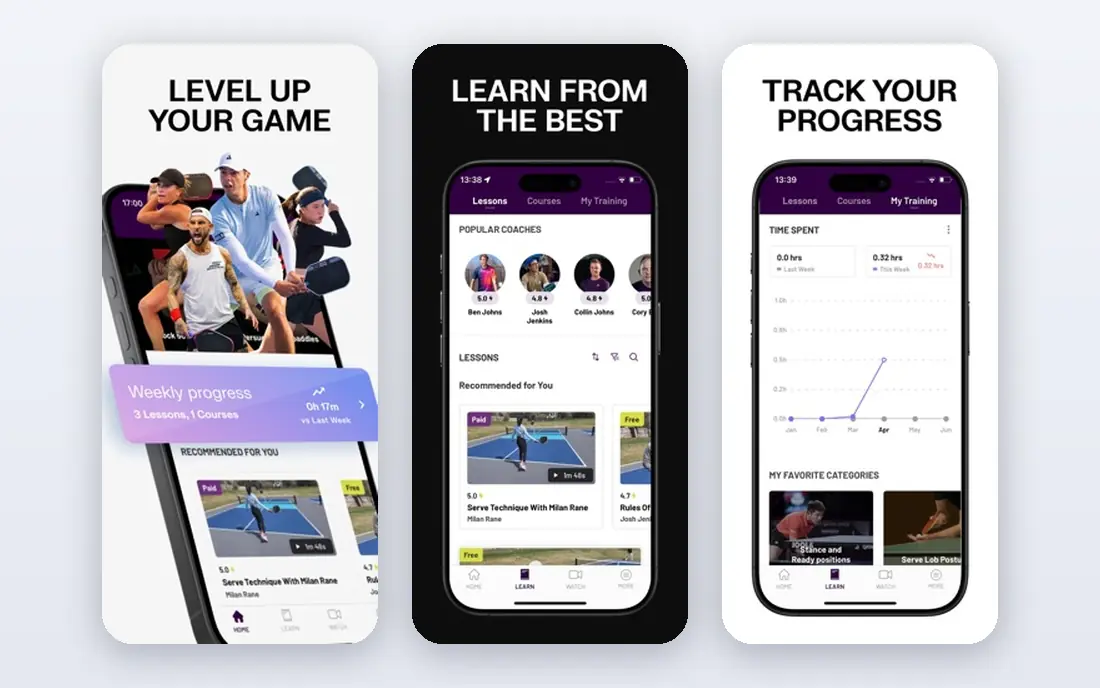
JOOLA is our pick for most players because its range covers beginners through advanced players without forcing a single style. Its carbon faced models give good spin and control, and its weight options let players tune feel.
What stands out is a wide range that covers beginners through advanced players The honest catch is higher models cost more, and the large range can confuse first-time buyers Prices and plan details change, so confirm the current offer on the vendor site before you commit.
Start with your weight and thickness preference, then pick inside the JOOLA range rather than buying on brand alone.
- Wide range across skill levels
- Carbon surfaces on higher models
- Pro player partnerships
- Higher models are costly
- Range is so wide it can confuse new buyers
Selkirk
Ideal for: Control and premium feel
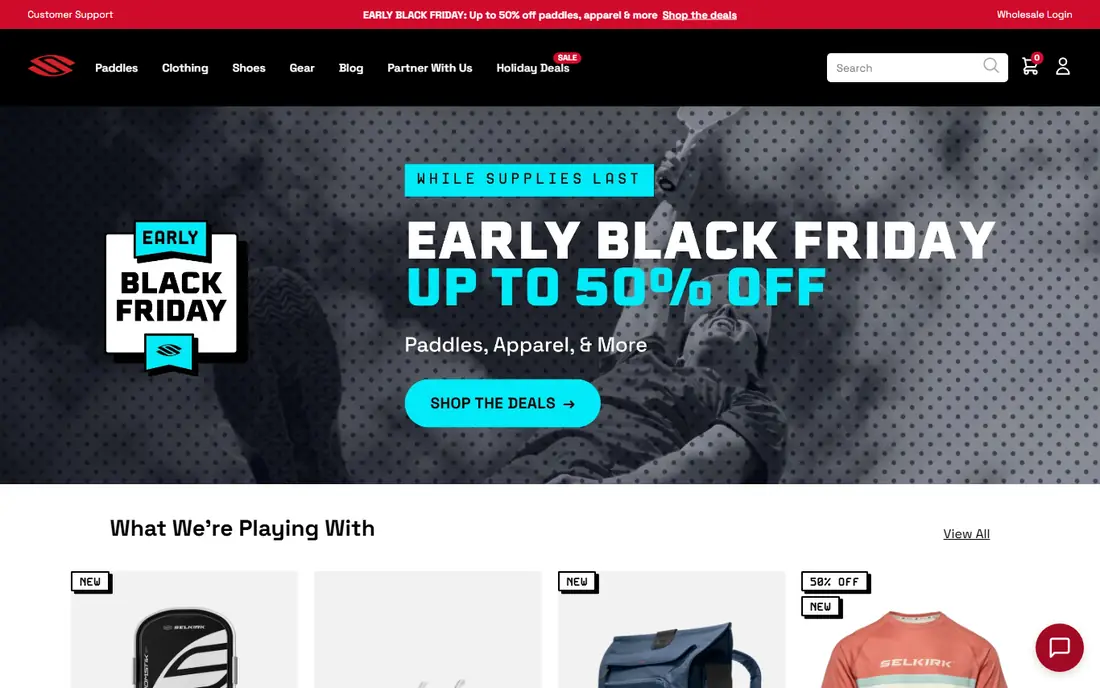
Selkirk suits players who value control and build quality and are willing to pay for it. Its Vanguard line is known for a soft, controlled feel, and its support reputation helps if a paddle fails.
What stands out is premium build and control focused models with good support The honest catch is premium pricing, and popular weights can sell out Before buying, confirm pricing and plan limits on the vendor site, since published details can change.
Choose Selkirk when control and feel matter more than saving money.
- Premium materials and build
- Strong control models
- US based company with good support
- Premium prices
- Some models sell out in popular weights
Diadem Sports
Ideal for: Value carbon paddles
Diadem Sports is our value pick for players who want carbon face performance without premium brand prices. Its direct sales model keeps costs down, though buyers should be comfortable ordering online.
What stands out is carbon face performance at a competitive price through direct sales The honest catch is smaller brand with less retail presence and online only support Check the vendor site for the latest pricing, since plans, tiers, and terms change over time.
Choose Diadem Sports when you want modern materials on a budget and can buy online.
- Carbon faced paddles at competitive prices
- Designed in the USA
- Direct sales model
- Smaller brand with less retail presence
- Warranty handling is online only
Franklin Sports
Ideal for: Budget and family play
Franklin suits families, schools, and casual players who want decent paddles without premium prices. Its sets make it easy to equip several players at once, which is a real advantage for group play.
What stands out is affordable paddles and sets for families and casual play The honest catch is materials are basic, and advanced players will outgrow them For current pricing, check the vendor site before deciding, since plans and prices change over time.
Pick Franklin for casual play and group use, not for serious tournament goals.
- Affordable paddles and sets
- Wide retail availability
- Good for families and schools
- Lower end materials
- Not aimed at advanced tournament players
Onix
Ideal for: All round and starter sets
Onix has been in pickleball longer than most brands, and its balanced paddles suit players who want one paddle for all kinds of play. Its starter options are reliable, if less flashy than newer rivals.
What stands out is balanced paddles from a long standing pickleball brand The honest catch is designs can feel plain, and the premium range is smaller Prices and plan details change, so confirm the current offer on the vendor site before you commit.
Choose Onix for a dependable all round paddle without chasing trends.
- Long history in pickleball
- Balanced paddles
- Good starter options
- Designs can feel plain next to newer brands
- Premium range is smaller
Engage Pickleball
Ideal for: Power and innovation
Engage suits stronger players who want power and are willing to trade some forgiveness for it. Its core designs aim at pace, and its US made lines appeal to buyers who care about manufacturing origin.
What stands out is power focused paddles with US made options The honest catch is high prices, and power models can punish mishits for beginners Before buying, confirm pricing and plan limits on the vendor site, since published details can change.
Pick Engage when you have the swing speed to use extra power well.
- Power focused models
- US manufacturing on some lines
- Innovation in core design
- Prices run high
- Power models can be less forgiving for beginners
Vatic Pro
Ideal for: Value carbon paddles
Vatic Pro is our value pick for players who want carbon face performance without premium brand prices. Its direct sales model keeps costs down, though buyers should be comfortable ordering online.
What stands out is carbon face performance at a lower price through direct sales The honest catch is smaller brand with less retail presence and online only support Check the vendor site for the latest pricing, since plans, tiers, and terms change over time.
Choose Vatic Pro when you want modern materials on a budget and can buy online.
- Carbon faced paddles at lower prices
- Strong value reviews
- Direct sales model
- Smaller brand with less retail presence
- Warranty handling is online only
HEAD
Ideal for: Sporting goods breadth
HEAD suits players who already trust the brand from tennis or other sports and want easy retail availability. Its range covers starter through advanced paddles, though specialist brands go deeper on pickleball alone.
What stands out is easy retail availability from a major sporting goods brand The honest catch is pickleball is one sport among many, so specialist depth is lower For current pricing, check the vendor site before deciding, since plans and prices change over time.
Pick HEAD for convenience and brand familiarity, or a specialist brand for the deepest pickleball range.
- Large sporting goods brand
- Wide retail availability
- Range from starter to advanced
- Pickleball is one of many sports for HEAD, so specialist depth is less than focused brands
How we picked these
We compared official feature pages, pricing pages, app store listings, privacy policies, and public reviews for each option, and we kept only options that exist and work in October 2026 and that truly fit this topic. We favored options with clear pricing, a track record we could check, and honest limits we could state plainly. Where a price or plan could not be confirmed from the vendor itself, we wrote See website rather than guessing.
We also weighed who each option suits best, since the right choice for a large team is often the wrong choice for a small one. That is why the list below mixes well-known leaders with smaller options that do one thing well.
Where prices were not published, we said so rather than estimating. A vendor that hides pricing is not automatically a bad choice, but buyers should ask for a written quote before comparing it with a vendor that publishes prices openly.
Finally, we checked that every website listed is the product's own official homepage and that it loads. A product with a broken or mismatched homepage was not kept on the list, since readers should be able to reach the real vendor from this article without guessing.
How to pick a pickleball paddle
Start with weight, since it affects arm comfort and swing speed more than any other single factor. Midweight paddles suit most players, lighter paddles suit quick hands, and heavier paddles suit power players with strong arms.
Next, choose core thickness by style. Thicker cores give control and a softer feel, which suits placement players and beginners. Thinner cores give power, which suits players who already control the ball well.
Finally, check grip size and surface. A grip that is too small or too large causes strain, and a textured carbon surface helps spin if you use it. Try paddles in a shop when you can, since feel is hard to judge from specs alone.
Before you buy, test fit and feel where possible, since specs alone cannot tell you how gear performs for your body and style. Check warranty and return terms, especially for footwear and equipment that must survive heavy use. A product that fits well and lasts usually beats a flashier option that wears out fast.
A last check is durability under your actual use. Ask how the product holds up for players at your level and frequency, not only for professionals. Reviews from regular users often reveal wear issues that professional reviews miss.
One more habit helps in every market on this list: read recent customer reviews that mention problems, not only praise. Reviews that describe how a company handled a failure tell you more about service than five-star reviews do. Look for patterns across many reviews rather than one angry or glowing outlier.
Frequently asked questions
What weight pickleball paddle should I choose?
Most players suit a midweight paddle. Lighter paddles help quick reactions at the net, while heavier paddles add power but can strain the arm over long sessions.
Are carbon paddles worth it?
For players who want spin and a consistent feel, yes. For casual players, a cheaper composite paddle plays well and leaves money for balls, shoes, and court time.
What is core thickness?
It is the thickness of the paddle core, usually around 13 to 16 millimeters. Thicker cores give control and softness, thinner cores give power.
How long does a paddle last?
It depends on play frequency and surface wear. Regular players may replace a paddle every year or two, while casual players can use one for much longer.
Do beginners need an expensive paddle?
No. A forgiving midweight paddle at a modest price is the right start. Upgrade once you know whether you favor power, control, or spin.