Best Telecom Equipment Companies for AI in 2026: 8 Companies Compared

- AI in telecom mostly means network automation, energy saving, and fault prediction, not chatbots.
- Deployment with real carriers matters more than lab demos, so we favored vendors with operator deals we could check.
- Smaller vendors can lead in optical or routing niches even when giants lead on overall range.
Quick comparison
| Product | Ideal for | Price from | Free version | |
|---|---|---|---|---|
 Huawei | AI network automation at scale | See website | No | Visit |
 Nokia | AI network software | See website | No | Visit |
 Ericsson | AI driven radio networks | See website | No | Visit |
 Cisco | AI networking and data centers | See website | No | Visit |
 Samsung Networks | AI radio and virtualized networks | See website | No | Visit |
 ZTE | Value telecom gear with AI | See website | No | Visit |
 Ciena | AI optical networking | See website | No | Visit |
 Juniper Networks | AI driven enterprise networks | See website | No | Visit |
The best telecom equipment companies with AI
Telecom equipment makers now sell AI as part of network gear and software, from automated network operations to AI ready data centers. The companies below differ in scale, product range, and where their AI tools are actually deployed. We compared official product pages, operator announcements, and the breadth of each vendor's AI portfolio, focusing on tools carriers can buy and use today.
Huawei
Ideal for: AI network automation at scale
Huawei is our pick for scale, because its gear and AI operations tools are deployed with many carriers worldwide. Its automation portfolio covers planning, fault handling, and energy saving, though buyers must check local availability and policy limits.
What stands out is broad gear plus AI operations tools deployed at large scale The honest catch is availability varies by country, and lock-in is a real concern Prices and plan details change, so confirm the current offer on the vendor site before you commit.
Check local rules and existing vendor mix before shortlisting Huawei for any network project.
- Broad telecom gear plus AI operations tools
- Large carrier deployments
- Strong R&D scale
- Availability varies by country due to trade restrictions
- Vendor lock-in concerns
Nokia
Ideal for: AI network software
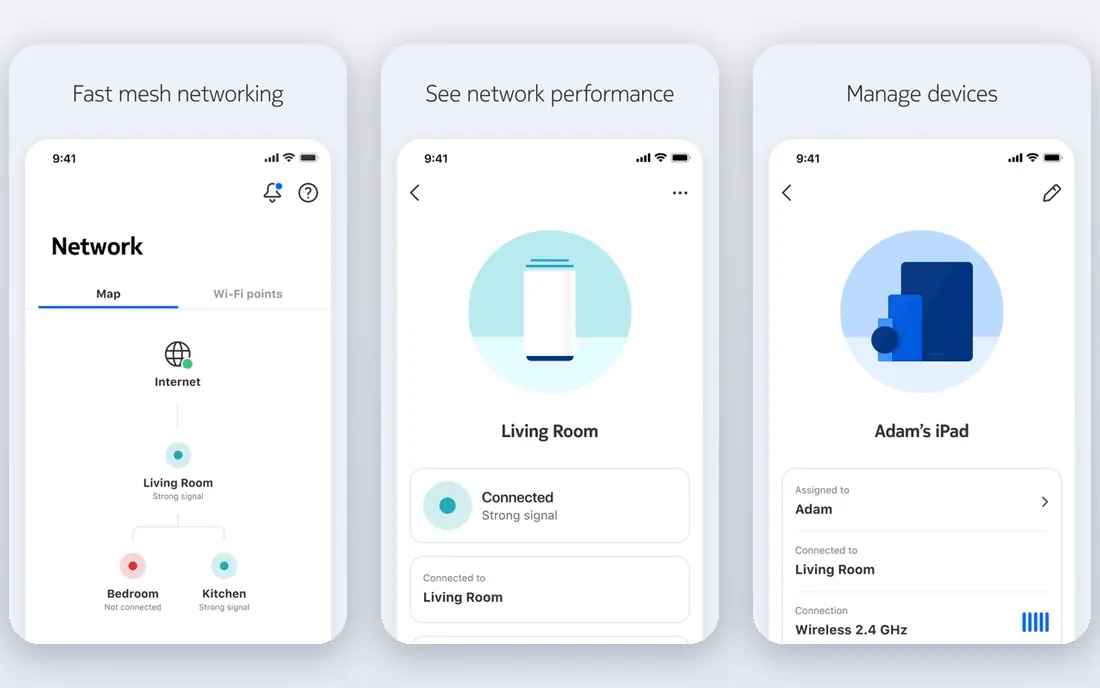
Nokia suits carriers that want AI software alongside radio and core gear from one vendor. Its automation tools target operations cost and fault prediction, and its carrier base gives its claims real world backing.
What stands out is AI network software alongside radio and core gear The honest catch is depth varies across a broad portfolio Before buying, confirm pricing and plan limits on the vendor site, since published details can change.
Shortlist Nokia when you want one vendor for gear and automation together.
- Network automation and AI software
- Radio and core gear
- Carrier deployments in many regions
- Portfolio is broad, so depth varies by product
- Enterprise AI is a smaller part of its story
Ericsson
Ideal for: AI driven radio networks
Ericsson is a strong pick for carriers whose main need is the radio network. Its AI features target energy use, capacity, and performance in mobile networks, and its carrier deployments are extensive.
What stands out is AI features inside a leading radio portfolio The honest catch is AI work is closely tied to its own radio gear Check the vendor site for the latest pricing, since plans, tiers, and terms change over time.
Choose Ericsson when radio performance and energy saving are the priority.
- Radio gear with AI features
- Network automation software
- Large carrier customer base
- AI messaging is tied closely to its radio portfolio
- Pricing is enterprise and quote based
Cisco
Ideal for: AI networking and data centers
Cisco suits buyers who need AI ready networking across data centers and carrier networks. Its observability and security tools add value beyond raw gear, and its scale supports large deployments.
What stands out is AI ready networking with observability and security tools The honest catch is carrier gear is one part of a very large portfolio For current pricing, check the vendor site before deciding, since plans and prices change over time.
Pick Cisco when data center and network AI must work as one system.
- Networking gear plus AI data center and observability tools
- Large enterprise and carrier reach
- Telecom carrier gear is one part of a much larger portfolio
- Pricing by quote
Samsung Networks
Ideal for: AI radio and virtualized networks
Samsung Networks is the challenger pick, with virtualized radio networks and AI features that appeal to carriers modernizing their networks. Its carrier deals are growing, though its base is still smaller than the three giants.
What stands out is virtualized radio networks with AI software features The honest catch is a smaller carrier base and narrower portfolio than the giants Prices and plan details change, so confirm the current offer on the vendor site before you commit.
Consider Samsung when modernizing with virtualized networks and wanting a challenger vendor.
- Virtualized radio networks
- AI features in network software
- Growing carrier deals
- Smaller carrier base than Huawei, Nokia, and Ericsson
- Portfolio is narrower
ZTE
Ideal for: Value telecom gear with AI
ZTE suits carriers that want a full gear range with AI operations tools at competitive prices. Its portfolio covers radio, core, and transport, though buyers should check local availability and support coverage.
What stands out is a full gear range with AI tools at competitive prices The honest catch is availability varies by country, and support coverage differs by region Before buying, confirm pricing and plan limits on the vendor site, since published details can change.
Shortlist ZTE on value, after checking local availability and support.
- Full telecom gear range
- AI operations tools
- Competitive pricing in many markets
- Availability varies by country
- Brand recognition is lower in some regions
Ciena
Ideal for: AI optical networking
Ciena is the specialist pick for optical networks, where its AI automation helps carriers manage capacity and faults on high speed links. It does not try to match the giants on radio, and that focus is its strength.
What stands out is AI automation for optical and transport networks The honest catch is it is focused on optical, not a full radio portfolio Check the vendor site for the latest pricing, since plans, tiers, and terms change over time.
Choose Ciena when optical transport is the network layer you need to automate.
- Optical networking leadership
- AI automation for transport networks
- Carrier and cloud customers
- Focused on optical and transport, not full radio portfolios
- Niche compared with giants
Juniper Networks
Ideal for: AI driven enterprise networks
Juniper suits buyers who want AI driven operations, especially through its Mist AI platform for enterprise networks. Its operations focus differs from radio giants, and its HPE ownership is a factor to watch in long term planning.
What stands out is AI driven network operations through Mist AI The honest catch is HPE ownership changes long term direction, and radio is not its focus For current pricing, check the vendor site before deciding, since plans and prices change over time.
Pick Juniper when AI operations for enterprise and campus networks is the main need.
- AI driven network operations
- Mist AI for wired and wireless
- Strong enterprise base
- Now part of HPE, so portfolio direction needs watching
- Carrier radio is not its focus
How we picked these
We compared official feature pages, pricing pages, app store listings, privacy policies, and public reviews for each option, and we kept only options that exist and work in October 2026 and that truly fit this topic. We favored options with clear pricing, a track record we could check, and honest limits we could state plainly. Where a price or plan could not be confirmed from the vendor itself, we wrote See website rather than guessing.
We also weighed who each option suits best, since the right choice for a large team is often the wrong choice for a small one. That is why the list below mixes well-known leaders with smaller options that do one thing well.
Where prices were not published, we said so rather than estimating. A vendor that hides pricing is not automatically a bad choice, but buyers should ask for a written quote before comparing it with a vendor that publishes prices openly.
Finally, we checked that every website listed is the product's own official homepage and that it loads. A product with a broken or mismatched homepage was not kept on the list, since readers should be able to reach the real vendor from this article without guessing.
How to judge AI claims from telecom vendors
Ask for carrier deployments, not demos. A tool running in a live carrier network has passed tests a lab demo never faces, and the carrier name gives you someone to ask about results.
Next, pin down what the AI actually does. Energy saving, fault prediction, and capacity planning are different jobs with different measures, and a vendor should state which job its tool performs.
Finally, check integration with your existing gear. AI tools that only work with one vendor's hardware can lock you in, while open interfaces keep future choices open.
Before you buy, test the product on your real workload, not only on a demo. Check setup time, support response, renewal pricing, and how easy it is to leave if the product disappoints. A tool that is hard to exit can cost more over time than a pricier tool with fair terms. Ask about data export and contract length before signing, since both affect your freedom later.
A last check is how the product handles growth. Ask what happens when users, traffic, or data double, and what the next pricing tier costs. A tool that scales smoothly saves a painful migration later, while a tool with sharp price jumps can punish success.
Frequently asked questions
Which telecom company has the best AI?
For overall scale, Huawei leads on deployments, while Nokia and Ericsson lead among Western vendors. For optical networks, Ciena leads its niche, and for enterprise AI operations, Juniper stands out.
What does AI do in telecom networks?
Mainly automation: predicting faults, saving energy, planning capacity, and fixing problems faster. It is operations software, not a consumer chatbot.
Is Huawei available everywhere?
No. Availability varies by country due to trade and policy restrictions. Check local rules before planning around any vendor.
Should carriers buy AI from their gear vendor?
Often yes, since integration is easier, but open interfaces matter. A tool tied to one vendor's hardware can limit future choices.
What is Mist AI?
It is Juniper's AI platform for network operations, used in wired and wireless enterprise networks to automate troubleshooting and management.