Best Merchant Service Providers in 2026: 8 Providers Compared

- 1
 SquareSmall businesses that want fast setup and free hardware optionsVisit
- 2
 StripeOnline businesses that need flexible payment toolsVisit
- 3
 PayPalBusinesses whose customers already use PayPalVisit
- 4
 Shopify PaymentsStores already selling on ShopifyVisit
- 5
 HelcimSmall businesses that want interchange plus pricingVisit
- Square stands out for small businesses that want fast setup and free hardware options, which makes it a strong starting point for that need.
- Stripe stands out for online businesses that need flexible payment tools, which makes it a strong starting point for that need.
- PayPal stands out for businesses whose customers already use paypal, which makes it a strong starting point for that need.
- Shopify Payments stands out for stores already selling on shopify, which makes it a strong starting point for that need.
- Prices and free plans vary widely across this list, so check the vendor pricing page for your team size or usage before you commit.
Quick comparison
| Product | Ideal for | Price from | Free version | |
|---|---|---|---|---|
| Square | Small businesses that want fast setup and free hardware options | See website | No | Visit |
| Stripe | Online businesses that need flexible payment tools | See website | No | Visit |
| PayPal | Businesses whose customers already use PayPal | See website | No | Visit |
| Shopify Payments | Stores already selling on Shopify | See website | No | Visit |
| Helcim | Small businesses that want interchange plus pricing | See website | No | Visit |
 Stax | Growing businesses with higher monthly volume | See website | No | Visit |
 Payment Depot | Businesses that want wholesale style pricing | See website | No | Visit |
 Clover | Shops and restaurants that want counter hardware | See website | No | Visit |
The best merchant service providers
We compared official feature pages, pricing pages, app store listings, privacy policies, and public reviews for this roundup. The products below cover different budgets and needs, so the best choice depends on how you will actually use it day to day. Our pick for most people is Square, because it covers the core need well, but read the full list before you decide, since a smaller or cheaper option may fit your situation better.
Square
Ideal for: Small businesses that want fast setup and free hardware options

Square lets a small business start taking card payments quickly, with point of sale tools and hardware that suit shops, cafes, and market stalls. It is a natural first choice for new businesses that want one system for payments, sales, and basic reporting.
When we compared Square with the rest of this list, its strengths were clear: fast signup; free card reader options; built in point of sale tools On the other side, buyers should weigh this catch: processing fees add up at high volume; account holds can occur for unusual activity That trade off matters most if you plan to use the product every day, so check the pricing page and the free plan terms, and trial it with real work before you commit. For many buyers, Square earns its place here because it handles the core job well, even though no product on this list is perfect for every need.
- Fast signup
- Free card reader options
- Built in point of sale tools
- Processing fees add up at high volume
- Account holds can occur for unusual activity
Stripe
Ideal for: Online businesses that need flexible payment tools
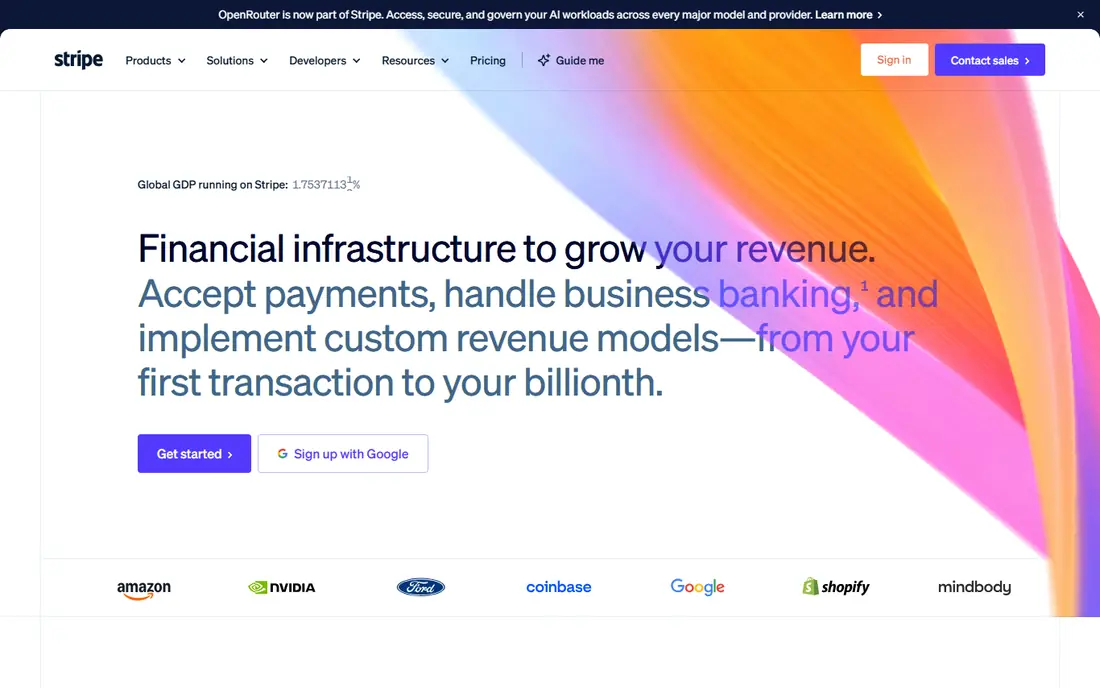
Stripe powers online checkout for many websites and apps, with tools for subscriptions, invoicing, and international payments. It suits online businesses that want flexible payment features and can handle a more technical setup.
When we compared Stripe with the rest of this list, its strengths were clear: strong online checkout and subscription tools; wide payment method support; clear developer tools On the other side, buyers should weigh this catch: needs technical help for custom setups; pricing varies by payment method That trade off matters most if you plan to use the product every day, so check the pricing page and the free plan terms, and trial it with real work before you commit. For many buyers, Stripe earns its place here because it handles the core job well, even though no product on this list is perfect for every need.
- Strong online checkout and subscription tools
- Wide payment method support
- Clear developer tools
- Needs technical help for custom setups
- Pricing varies by payment method
PayPal
Ideal for: Businesses whose customers already use PayPal
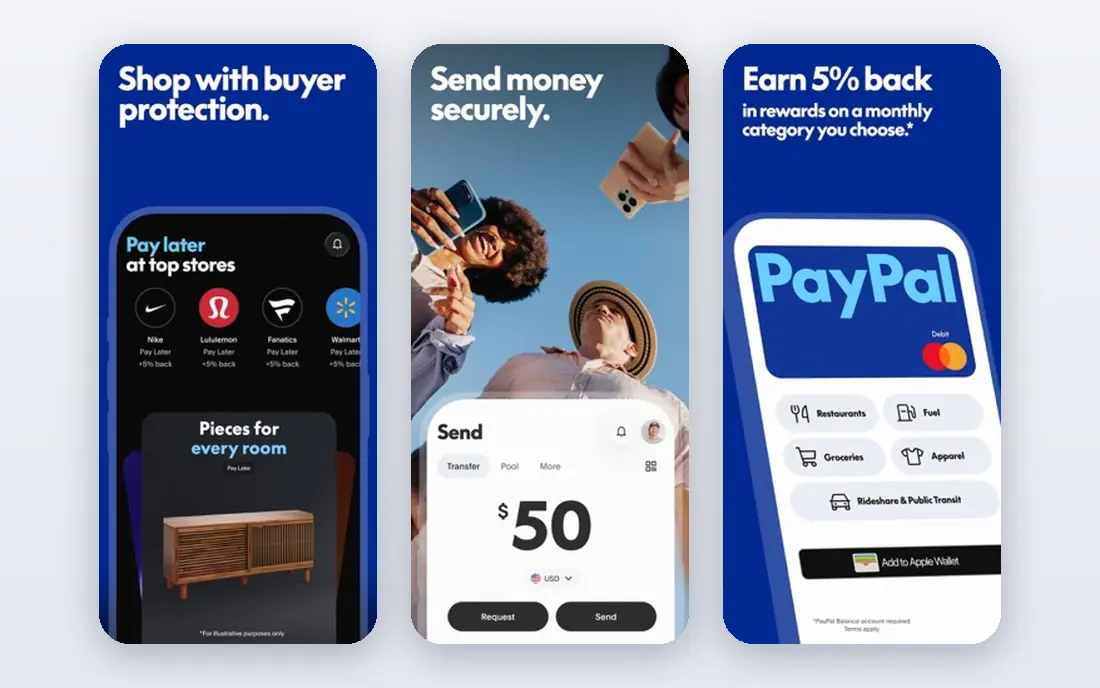
PayPal is familiar to millions of shoppers, which can help checkout conversion for online sellers. It fits businesses that sell online and want a payment option customers already trust and use.
When we compared PayPal with the rest of this list, its strengths were clear: huge customer recognition; online and in person options; buyer and seller tools On the other side, buyers should weigh this catch: fees for some transactions are higher than rivals; holds can delay payouts That trade off matters most if you plan to use the product every day, so check the pricing page and the free plan terms, and trial it with real work before you commit. For many buyers, PayPal earns its place here because it handles the core job well, even though no product on this list is perfect for every need.
- Huge customer recognition
- Online and in person options
- Buyer and seller tools
- Fees for some transactions are higher than rivals
- Holds can delay payouts
Shopify Payments
Ideal for: Stores already selling on Shopify
Shopify Payments removes the need for a separate payment provider for stores built on Shopify. It is the simplest choice for a Shopify store, since payments, orders, and payouts sit in one dashboard.
When we compared Shopify Payments with the rest of this list, its strengths were clear: built into shopify checkout; no extra transaction fee on shopify plans; simple reporting On the other side, buyers should weigh this catch: only works inside shopify stores; payouts follow shopify schedules That trade off matters most if you plan to use the product every day, so check the pricing page and the free plan terms, and trial it with real work before you commit. For many buyers, Shopify Payments earns its place here because it handles the core job well, even though no product on this list is perfect for every need.
- Built into Shopify checkout
- No extra transaction fee on Shopify plans
- Simple reporting
- Only works inside Shopify stores
- Payouts follow Shopify schedules
Helcim
Ideal for: Small businesses that want interchange plus pricing
Helcim uses interchange plus pricing, which can be clearer for businesses that want to see the true cost of each card payment. It suits owners who process steady card volume and want pricing that tracks actual card costs.
When we compared Helcim with the rest of this list, its strengths were clear: interchange plus pricing; no monthly fee on some plans; invoicing and payment tools On the other side, buyers should weigh this catch: smaller brand than square or stripe; hardware range is narrower That trade off matters most if you plan to use the product every day, so check the pricing page and the free plan terms, and trial it with real work before you commit. For many buyers, Helcim earns its place here because it handles the core job well, even though no product on this list is perfect for every need.
- Interchange plus pricing
- No monthly fee on some plans
- Invoicing and payment tools
- Smaller brand than Square or Stripe
- Hardware range is narrower
Stax
Ideal for: Growing businesses with higher monthly volume
Stax charges a monthly subscription instead of a percentage markup, which can save money once card volume grows. It fits businesses past the startup stage that process enough volume for subscription pricing to pay off.
When we compared Stax with the rest of this list, its strengths were clear: subscription pricing that can lower costs at volume; invoicing and surcharging tools On the other side, buyers should weigh this catch: monthly subscription may not suit very small businesses; setup needs a sales conversation That trade off matters most if you plan to use the product every day, so check the pricing page and the free plan terms, and trial it with real work before you commit. For many buyers, Stax earns its place here because it handles the core job well, even though no product on this list is perfect for every need.
- Subscription pricing that can lower costs at volume
- Invoicing and surcharging tools
- Monthly subscription may not suit very small businesses
- Setup needs a sales conversation
Payment Depot
Ideal for: Businesses that want wholesale style pricing
Payment Depot sells membership based wholesale pricing, so members pay interchange costs plus a membership fee rather than a markup. It suits businesses with regular card sales that want to test whether wholesale pricing beats percentage pricing.
When we compared Payment Depot with the rest of this list, its strengths were clear: wholesale pricing model; no markup on interchange for members; terminal and gateway options On the other side, buyers should weigh this catch: annual membership cost; pricing is harder to compare at a glance That trade off matters most if you plan to use the product every day, so check the pricing page and the free plan terms, and trial it with real work before you commit. For many buyers, Payment Depot earns its place here because it handles the core job well, even though no product on this list is perfect for every need.
- Wholesale pricing model
- No markup on interchange for members
- Terminal and gateway options
- Annual membership cost
- Pricing is harder to compare at a glance
Clover
Ideal for: Shops and restaurants that want counter hardware
Clover builds counter terminals and handheld devices for shops and restaurants, with apps for menus, inventory, and staff. It fits businesses that want a polished counter setup and are willing to pay for hardware and software together.
When we compared Clover with the rest of this list, its strengths were clear: strong counter and handheld hardware; app marketplace; restaurant and retail features On the other side, buyers should weigh this catch: hardware costs can be high; software plans add monthly cost That trade off matters most if you plan to use the product every day, so check the pricing page and the free plan terms, and trial it with real work before you commit. For many buyers, Clover earns its place here because it handles the core job well, even though no product on this list is perfect for every need.
- Strong counter and handheld hardware
- App marketplace
- Restaurant and retail features
- Hardware costs can be high
- Software plans add monthly cost
How we picked these
We started with products and services that exist and work in October 2026 and truly fit the topic, then we compared their official feature pages, pricing pages, app store listings, privacy policies, and public reviews. We looked for a mix of well known leaders and strong smaller options, and we favored products with clear pricing, clear privacy practices, and honest limits. We did not claim hands-on testing that did not happen, and where a price could not be verified from the vendor site, we wrote See website rather than guessing a number.
How to compare merchant providers fairly
Work out your average sale, monthly card volume, and share of in person versus online sales, then ask each provider for a total monthly cost on those figures. Check contract length, exit fees, payout timing, and support hours, since a low rate means little if payouts are slow or help is hard to reach. Test the dashboard and hardware before committing, and read the terms on holds and refunds. Before you pay, list your must have features, your budget, and the tools the new product must work with. A short trial with real tasks will tell you more than a feature list alone, and it will show whether support replies quickly when something goes wrong. Check contract length, renewal terms, and how easy it is to export your data or cancel, since those details matter long after the first month.
Frequently asked questions
What fees do merchant service providers charge?
Most charge a processing fee per transaction, and some add monthly, hardware, or gateway fees, so compare the total cost on your own sales mix rather than one headline rate.
Do I need a separate merchant account?
Some providers include the merchant account in their service while others set one up separately, so ask who holds the account and how payouts work.
How fast will I receive payouts?
Payout timing varies from next day to several days depending on the provider, your business type, and risk checks, so confirm the schedule before you switch.
Can I switch providers later?
Yes, but check contract length, early exit fees, and whether your hardware will work with a new provider before you sign.
Is Square or Stripe better for a small business?
Square usually suits in person selling with simple setup, while Stripe usually suits online selling with custom checkout, so match the choice to where most sales happen.