Our first pick is Red Hat OpenShift, best for enterprise application modernization and AI adoption. Amazon Elastic Kubernetes Service fits managed Kubernetes on AWS and on-premises; Microsoft Azure Kubernetes Service fits managed Kubernetes within Microsoft Azure. Prices, free plans and limits for all 6 tools follow.
This Ainotely guide covers 6 options for AI container management software. Each profile lists a starting price, free plan details, strengths and drawbacks, so you can drop poor fits quickly.
Key takeaways
Red Hat OpenShift is the opening pick, best for enterprise application modernization and AI adoption.
None of the 6 tools, from Red Hat OpenShift to Rancher, has a free plan, so budget for a subscription or use a trial.
What to know about Microsoft Azure Kubernetes Service first: best value inside Azure.
No starting price is shown for any of the 6 tools, Red Hat OpenShift and Rancher included, so plan time for sales calls.
For multi-cluster Kubernetes operations and security, Rancher is worth a look.
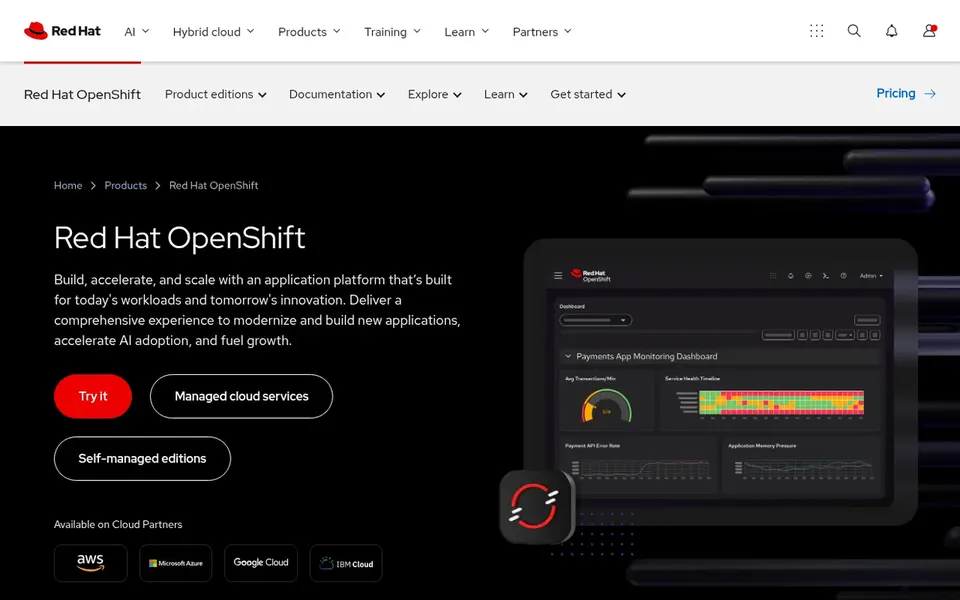
Best for: Enterprise application modernization and AI adoption
Red Hat OpenShift serves enterprise application modernization and AI adoption. It suits enterprises that want an integrated product spanning application development and container-based operations instead of a single-purpose tool.
Where it falls short: Needs product skills to operate well.
Check the vendor site for Red Hat OpenShift pricing; none is listed in this comparison. Free options: Not stated.
Best for: Managed Kubernetes on AWS and on-premises
For managed Kubernetes on AWS and on-premises, Amazon Elastic Kubernetes Service is a natural candidate. It fits organizations already invested in AWS that want managed Kubernetes whereas keeping portability across cloud and on-premises environments, and it appeals to teams that require a conformant Kubernetes experience.
Operating it well still needs Kubernetes expertise and attention to cluster configuration, and the surrounding tooling is oriented toward AWS. Pricing for Amazon Elastic Kubernetes Service is not stated here, so ask the vendor for current figures. On free options: Not stated.
Points against: Cluster tuning remains your responsibility.
Best for: Managed Kubernetes within Microsoft Azure
Microsoft Azure Kubernetes Service is designed for managed Kubernetes within Microsoft Azure. Azure Kubernetes Service is described as a way to deploy and run secure, scalable containerized applications with quick delivery on managed Kubernetes clusters.
Microsoft Azure Kubernetes Service does not show a starting price in this comparison, so check the vendor site for current pricing. On free options: Not stated.
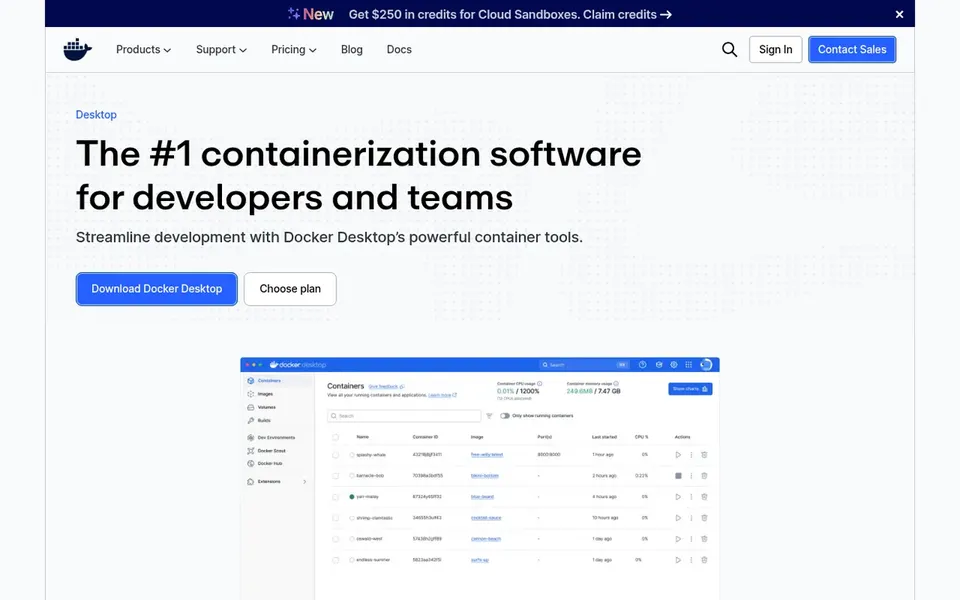
Best for: Developer-friendly local container workflows
Pick Docker Desktop if this describes you: developer-friendly local container workflows. Teams that require centralized multi-cluster management should look at products for example Rancher or the managed Kubernetes services instead, and use Docker Desktop primarily for local development.
Points against: Desktop-oriented instead of large cluster management.
Docker Desktop shows no starting price here, so confirm the cost on the vendor site. Free plan details: Not stated.
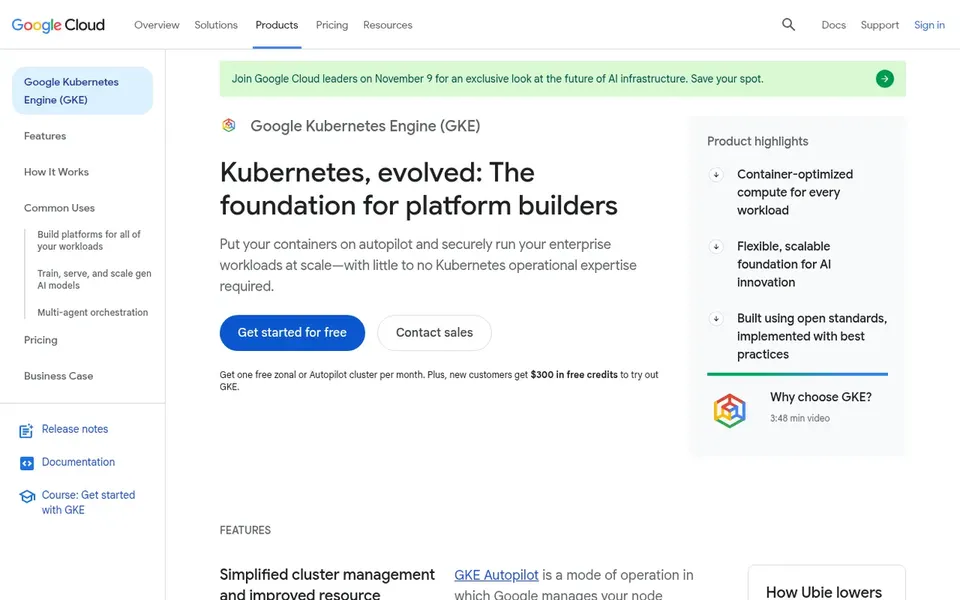
Best for: Completely managed Kubernetes on Google Cloud
Google Kubernetes Engine is built with fully managed Kubernetes on Google Cloud in mind. Google Kubernetes Engine is presented as a completely managed Kubernetes service with the full Kubernetes API, autoscaling, release channels and multi-cluster support. It performs well for organizations already comfortable with Kubernetes concepts.
Watch-outs: Kubernetes concepts still need expertise.
It is most valuable inside the Google Cloud ecosystem, so teams running primarily elsewhere may find other managed services a better fit. Deep Kubernetes knowledge is still needed to design workloads well, and smaller projects might prefer a more straightforward developer tool for example Docker Desktop. Google Kubernetes Engine does not show a starting price in this comparison, so check the vendor site for current pricing. On free options: Not stated.
Best for: Multi-cluster Kubernetes operations and security
In short, Rancher is for multi-cluster Kubernetes operations and security. Rancher is an open-source multi-cluster orchestration product that lets operations teams deploy, run and secure enterprise Kubernetes. It appeals to organizations that value open-source adaptability over a single vendor's managed service.
Trade-offs to know: Requires operational Kubernetes expertise.
Running Rancher means maintaining an extra management layer and having solid Kubernetes operations skills on hand. Worth adding: teams that prefer a completely managed control plane may lean toward GKE, EKS or AKS, whereas those wanting a more straightforward developer experience may start with Docker Desktop. No starting price is listed for Rancher here; confirm pricing on the vendor site. Free access: Not stated.
Confirm the entry price with every vendor: no tool from Red Hat OpenShift to Rancher shows a fixed starting price.
Before choosing Red Hat OpenShift, weigh its main limit: enterprise scope can feel heavy for small teams.
Add up seats, add-ons and usage charges for Red Hat OpenShift before comparing it with cheaper entries.
Test how quickly Microsoft Azure Kubernetes Service answers a pre-sales question; it hints at how support will feel later.
Run a one or two week pilot of Rancher with the people who will use it every day.
How we picked
Selection started from tools commonly considered for AI container management software, then narrowed to 6 that have clear pricing information or a clear quote process. Where a price is missing, the vendor does not list one publicly or ties it to a quote. Always confirm before budgeting. The order reflects how well each tool fits the most common buying scenario for AI container management software, then price clarity, then free plan access. It is a starting point, not a verdict.
Every price and plan detail on this page comes from the vendors’ own websites. We did not run hands-on tests unless the text says so, and we do not publish star ratings or review scores. See how we score and our disclosure.
Keep your shortlist in one place
Paste prices, trial dates and notes from this guide into Ainotely, our AI note app. It files them into a topic and pulls out tasks like “cancel trial by Friday”. Free 7-day trial, no card needed.
It refers to platforms that help teams build, deploy and operate containerized applications, commonly with automation and assistance features layered on top of Kubernetes or Docker. The tools here range from developer-focused Docker Desktop to managed Kubernetes services and multi-cluster systems.
Does any tool for AI container management software here have a free plan?
A permanent free plan is not offered by Red Hat OpenShift, Rancher or the other tools here. Plan a short evaluation period instead.
Do these tools publish their prices?
No. None of the tools, from Red Hat OpenShift to Rancher, shows a fixed starting price here, so budget time for quotes.
Can I try these options before paying?
Not by default. None of the tools, from Red Hat OpenShift to Rancher, lists a free plan or a free trial here, so ask each vendor for a demo before committing.
Is Red Hat OpenShift the right pick for everyone comparing AI container management software?
No single tool suits every team. Red Hat OpenShift comes first because it fits enterprise application modernization and AI adoption, while Amazon Elastic Kubernetes Service suits managed Kubernetes on AWS and on-premises and Microsoft Azure Kubernetes Service suits managed Kubernetes within Microsoft Azure. Match the tool to your own size, budget and workflow before deciding.