For ambulatory practice data exchange, NextGen Connect is where this list starts. For a different need, Redox covers Link once, exchange anywhere and Epic Bridges covers Epic-centered health system interfaces. Prices, free plans and limits for all 5 tools follow.
Ainotely compared 5 tools for AI healthcare integration engines software. The goal is a practical shortlist: published prices, free plan facts, best-fit use cases and honest limits for every entry.
Key takeaways
NextGen Connect is the opening pick, best for ambulatory practice data exchange.
A permanent free plan is missing from all 5 tools, NextGen Connect and InterSystems HealthShare included; plan for a trial or a premium start.
Pricing across the list, from NextGen Connect to InterSystems HealthShare, is by quote only.
For broad health data interoperability, InterSystems HealthShare is worth a look.
A fair warning about Epic Bridges: most handy inside Epic sites.
Pick NextGen Connect if this describes you: ambulatory practice data exchange. NextGen Connect is associated with NextGen's cloud EHR and practice management software, which aims to boost efficiency with specialty-specific services that simplify workflows and enhance patient care.
Practices should confirm which interfaces are supported for their specialty. On top of that, for these practices, it can serve as the integration layer behind analytics and AI-assisted workflows. Check the vendor site for NextGen Connect pricing; none is listed in this comparison. Free options: Not stated.
Trade-offs to know: Less suited to large health systems.
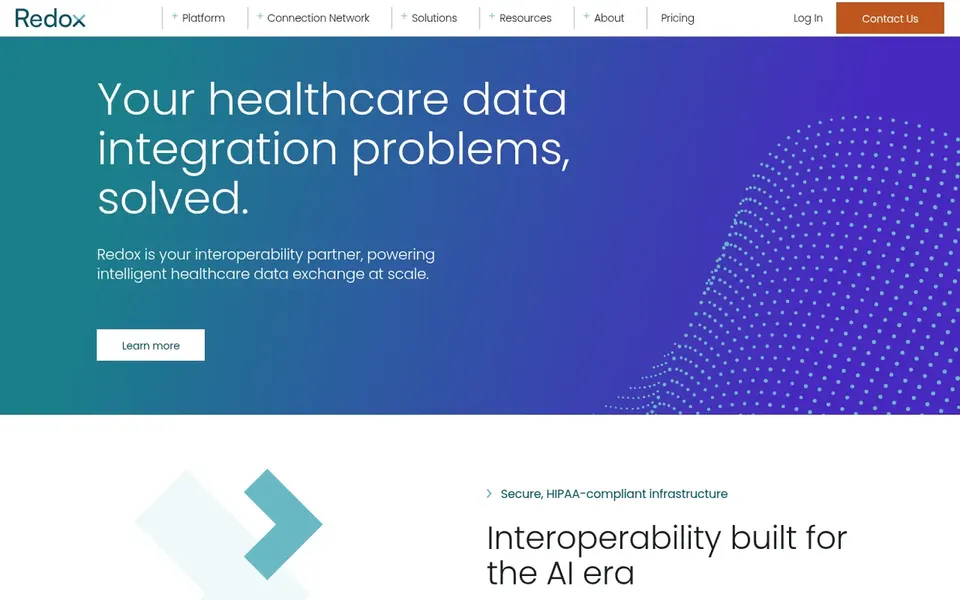
For Link once, exchange anywhere, Redox is a natural candidate. Its product is meant to cut the effort of building separate interfaces for each partner.
Where it falls short: Depends on supported endpoints.
Pricing for Redox is not stated here, so ask the vendor for current figures. Redox has no free tier.
Epic Bridges is designed for Epic-centered health system interfaces. For Epic sites, Bridges is commonly the natural interface layer for AI and analytics data feeds. In practice, Bridges is closely tied to Epic, so its value relies on running Epic as the core clinical system.
More specifically, organizations on other EHRs will find less benefit. As for the details, Epic Bridges is the integration component associated with Epic's health software, which is built to help people get well, stay well, and help future generations be healthier. Check the vendor site for Epic Bridges pricing; none is listed in this comparison. Free options: Not stated.
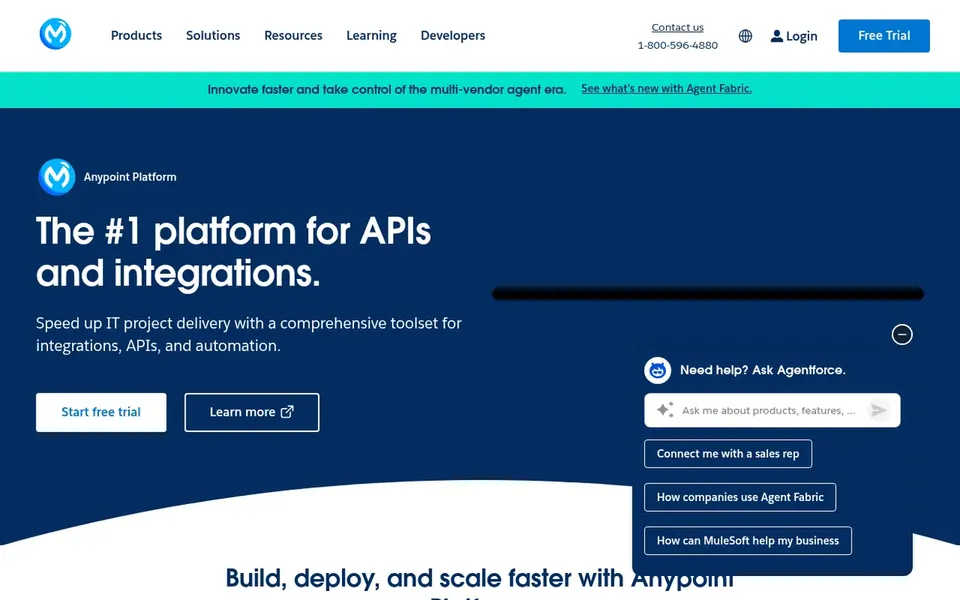
In short, MuleSoft Anypoint Platform is for hybrid enterprise integration. MuleSoft Anypoint Platform is a complete hybrid integration product for SOA, SaaS, and APIs, with the freedom to integrate on-premises or in the cloud.
Where it is weaker: Needs integration expertise.
From a buyer's view, Anypoint is not purpose-built for clinical standards, so HL7 and FHIR work relies on connectors and design. It can be more complicated than a dedicated healthcare engine. No starting price is listed for MuleSoft Anypoint Platform here; confirm pricing on the vendor site. Free plan details: Not stated.
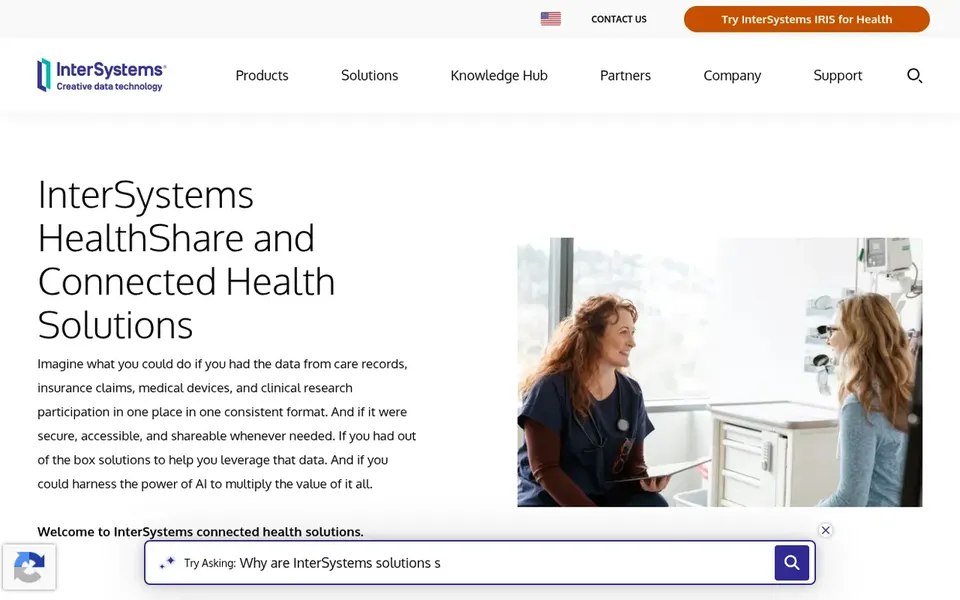
Where InterSystems HealthShare fits: broad health data interoperability. Teams evaluating AI healthcare integration engines frequently start here since the product is built around sharing clinical data steadily across organizations. Implementation relies on existing data sources and governance.
On top of that, if you chiefly need a light connection layer between a handful of applications, a narrower engine like Redox may be a better fit. HealthShare is a substantial product, so smaller organizations may find it heavier than they need. No starting price is listed for InterSystems HealthShare here; confirm pricing on the vendor site. Free access: Not stated.
Ask each vendor, from NextGen Connect to InterSystems HealthShare, for a written quote; none of them publishes a starting price.
Read the limits listed for NextGen Connect first: most relevant to NextGen practices.
Check the support hours and onboarding help MuleSoft Anypoint Platform offers; smaller vendors vary a lot here.
Ask the daily users to test InterSystems HealthShare on a live task before you roll it out to everyone.
Price NextGen Connect for your actual team size; headline prices rarely include add-ons or overage.
How we picked
We compared the tools on published pricing, free plan or trial availability, feature coverage for AI healthcare integration engines software, and the limits each vendor documents. Prices and plan limits come from vendor pages and can change, so confirm them on the vendor site before you buy. Tools are placed by general fit for AI healthcare integration engines software, with price clarity and free access as tie-breakers. A different team can reasonably rank them differently.
Every price and plan detail on this page comes from the vendors’ own websites. We did not run hands-on tests unless the text says so, and we do not publish star ratings or review scores. See how we score and our disclosure.
Keep your shortlist in one place
Paste prices, trial dates and notes from this guide into Ainotely, our AI note app. It files them into a topic and pulls out tasks like “cancel trial by Friday”. Free 7-day trial, no card needed.
Is NextGen Connect the right pick for everyone comparing AI healthcare integration engines software?
No single tool suits every team. NextGen Connect comes first because it fits ambulatory practice data exchange, while Redox suits Connect once, exchange anywhere and Epic Bridges suits Epic-centered health system interfaces. Match the tool to your own size, budget and workflow before deciding.
Does any tool for AI healthcare integration engines software here have a free plan?
A permanent free plan is not offered by NextGen Connect, InterSystems HealthShare or the other tools here. Plan a short evaluation period instead.
Do these tools publish their prices?
No. None of the tools, from NextGen Connect to InterSystems HealthShare, shows a fixed starting price here, so budget time for quotes.
Can I try these options before paying?
Not by default. None of the tools, from NextGen Connect to InterSystems HealthShare, lists a free plan or a free trial here, so ask each vendor for a demo before committing.
What does an AI healthcare integration engine do?
These engines deal with standards like HL7 and FHIR and run the interfaces between EHRs, labs, payers, and other applications. The goal is steady, timely data for insights and automation.