If you need ambient documentation inside major EHRs, Nabla is the first tool to look at here. For a different need, Abridge covers enterprise clinical AI across care settings and Ambience Healthcare covers clinician-focused AI with outcome tracking. The remaining 2 options are covered below with prices and limits.
Ainotely compared 5 tools for AI medical transcription software. The goal is a practical shortlist: published prices, free plan facts, best-fit use cases and honest limits for every entry.
Key takeaways
Top of the list is Nabla, which targets ambient documentation inside major EHRs.
For reducing documentation burnout, Suki Assistant is worth a look.
Nabla, Suki Assistant and the 3 others all need a premium plan or a trial, since no free plan is listed.
Nabla, Suki Assistant and the 3 others all sell by quote; expect sales conversations before you see a price.
Nabla is a good fit for ambient documentation inside major EHRs. Nabla presents a clinical AI layer that brings ambient documentation, dictation, and coding support into Epic and other major EHRs. From a buyer's view, the combination of ambient notes, dictation, and coding assistance makes it relevant for groups seeking a consolidated approach.
Organizations wanting only entry-level dictation may find the scope bigger than necessary. A wide product can need configuration and change management, and feature availability may differ by EHR setup. Check the vendor site for Nabla pricing; none is listed in this comparison. On free options: Not stated.
Drawbacks to consider: Feature set varies by EHR setup.
Best for: Enterprise clinical AI across care settings
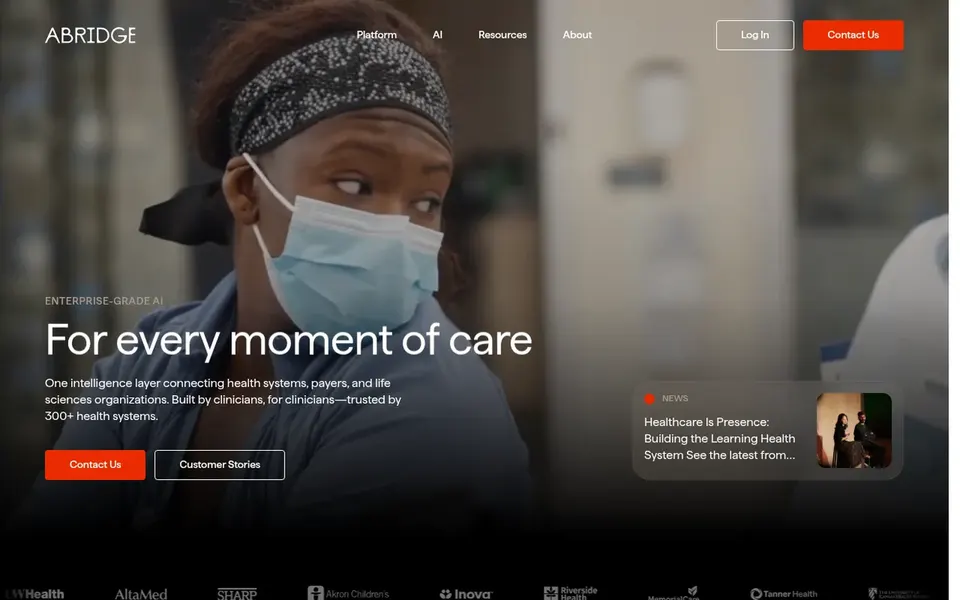
Abridge serves enterprise clinical AI across care settings. Smaller practices may find the enterprise orientation heavier than needed, and teams wanting a straightforward standalone scribe should compare lighter choices.
Abridge does not show a starting price in this comparison, so check the vendor site for current pricing. On free options: Not stated.
Watch-outs: Enterprise focus may not suit small practices.
Best for: Clinician-focused AI with outcome tracking
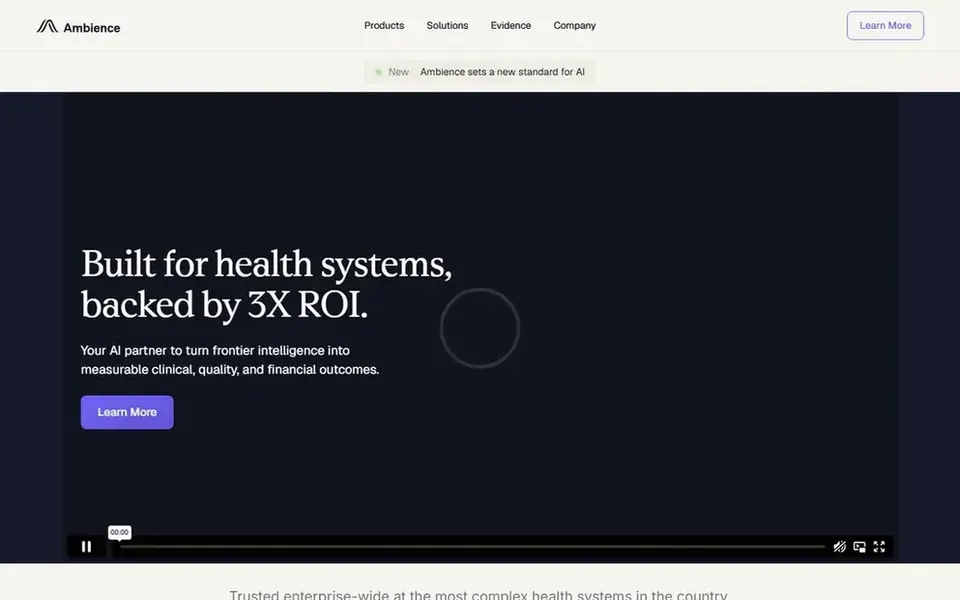
Ambience Healthcare makes the most sense for clinician-focused AI with outcome tracking. Ambience Healthcare presents itself as an AI partner made for clinicians, aiming to turn frontier intelligence into measurable clinical, quality, and financial outcomes.
Public descriptions provide less detail on specialty-specific depth, so niche practices should probe that straight. Vendors naturally highlight their own outcome figures, so validate any efficiency claims against your own workflows during evaluation. Ambience Healthcare shows no starting price here, so confirm the cost on the vendor site. Trial and free access: Not stated.
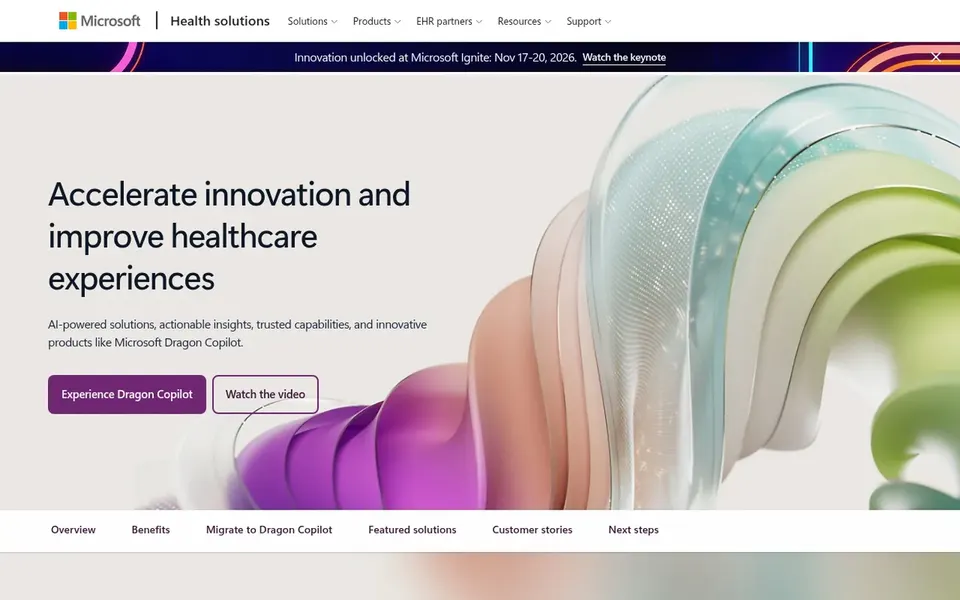
Nuance Dragon Medical One was built for dictation-led clinical documentation. Nuance Dragon Medical One is a healthcare speech recognition and documentation option presented within Microsoft's AI-powered healthcare portfolio.
Where it falls short: Setup and training take effort.
In daily use, expect an onboarding period whereas users adapt their dictation habits and vocabulary. Confirm current capabilities, EHR compatibility, and deployment requirements straight with the vendor before committing. This comparison lists no price for Nuance Dragon Medical One; ask the vendor. Free access: Not stated.
Suki Assistant works best for reducing documentation burnout. The burnout angle resonates with practices struggling with after-hours charting. The product is positioned around everyday clinical documentation instead of wide enterprise data work.
From a buyer's view, confirm EHR integration depth and supported specialties with the vendor. Practices that primarily want voice dictation into existing templates might be better served by a dedicated speech recognition product. Suki Assistant shows no starting price here, so confirm the cost on the vendor site. Free access: Not stated.
Drawbacks to consider: Less suited to pure dictation needs.
Request quotes from Nabla, Suki Assistant and the others; the list shows no fixed prices.
Read the limits listed for Nabla first: wide system may require configuration.
Compare total cost, not headline price: for Ambience Healthcare, add extra seats, add-ons and any usage-based charges.
Check whether Abridge bills monthly or annually, and what cancelling early costs.
Involve the people who will use Suki Assistant daily; a short pilot beats a long feature checklist.
How we picked
Pricing pages, product documentation and feature lists were the main sources, and every entry carries at least one honest drawback. Seat minimums, billing terms and add-ons can move the real cost, so the starting prices here are a guide and not a quote. The order reflects how well each tool fits the most common buying scenario for AI medical transcription software, then price clarity, then free plan access. It is a starting point, not a verdict.
Every price and plan detail on this page comes from the vendors’ own websites. We did not run hands-on tests unless the text says so, and we do not publish star ratings or review scores. See how we score and our disclosure.
Keep your shortlist in one place
Paste prices, trial dates and notes from this guide into Ainotely, our AI note app. It files them into a topic and pulls out tasks like “cancel trial by Friday”. Free 7-day trial, no card needed.
Does any tool for AI medical transcription software here have a free plan?
No tool in this list, Nabla and Suki Assistant included, has a permanent free plan. Trials and quotes are the usual route, so plan a short evaluation period.
Can I try these options before paying?
Not by default. None of the tools, from Nabla to Suki Assistant, lists a free plan or a free trial here, so ask each vendor for a demo before committing.
How are the tools for AI medical transcription software ordered?
The order follows typical fit for AI medical transcription software, with Nabla first and Suki Assistant last, then price clarity and free access. It is editorial judgement, not a score, so another team could rank the tools differently.
Is Nabla the right pick for everyone comparing AI medical transcription software?
No single tool suits every team. Nabla comes first because it fits ambient documentation inside major EHRs, while Abridge suits enterprise clinical AI across care settings and Ambience Healthcare suits clinician-focused AI with outcome tracking. Match the tool to your own size, budget and workflow before deciding.