Luma Health comes first here, mainly for patient communication and engagement. Alternatives: Epic for integrated EHR referral workflows, and Kyruus for provider data and care access. The other 3 tools in the list cover narrower or pricier cases.
Choosing AI referral management software usually comes down to price, fit and limits. This Ainotely guide sets 6 tools side by side on those three points, with the facts kept short and checkable.
Key takeaways
Number one here is Luma Health, a fit for patient communication and engagement.
Luma Health, Rivet and the 4 others all need a premium plan or a trial, since no free plan is listed.
Pricing across the list, from Luma Health to Rivet, is by quote only.
For revenue cycle and referral analytics, Rivet is worth a look.
Check the limits for Kyruus before you commit: may require integration effort.
Luma Health is aimed squarely at patient communication and engagement. Whereas not exclusively a referral management product, it can support referral workflows by automating patient outreach and helping ensure patients attend appointments.
In practice, Luma Health may lack deep referral tracking or provider directory features. From a buyer's view, organizations needing full referral management might pair it with a dedicated system. Luma Health does not show a starting price in this comparison, so check the vendor site for current pricing. As for free access: Not stated.
Where it falls short: Restricted referral-specific features.
For integrated EHR referral workflows, Epic is a natural candidate. Epic is suited for organizations already using its EHR or seeking an integrated suite. Organizations not using Epic may find integration challenging.
From a buyer's view, Epic's referral management is part of a broader EHR, which can be complex and expensive to implement. On top of that, Epic develops software to help people get well, stay well, and support healthier future generations. In practice, choose Epic when a completely integrated EHR with referral tools is desired. Epic does not show a starting price in this comparison, so check the vendor site for current pricing. As for free access: Not stated.
Downsides: Referral features tied to Epic ecosystem.
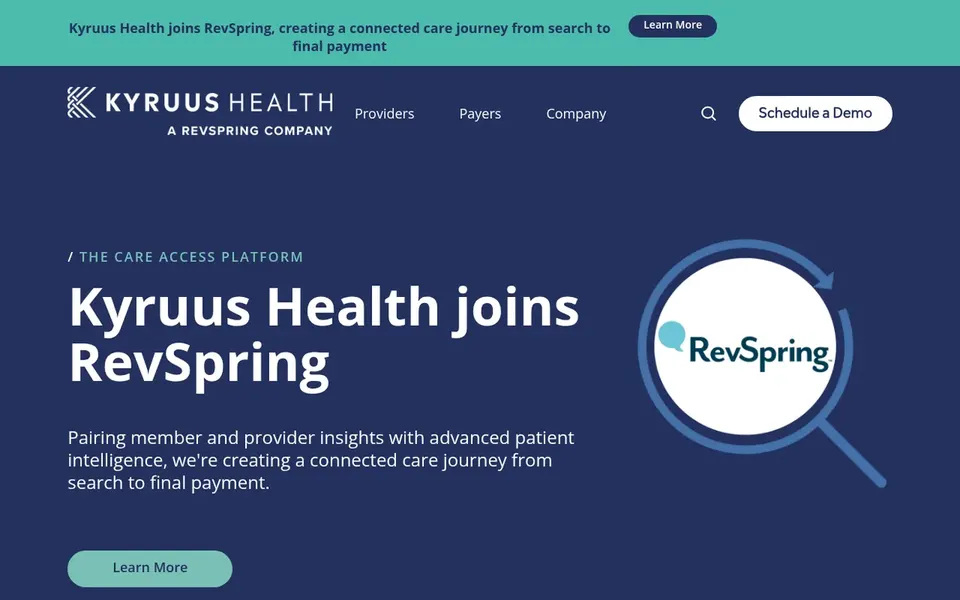
Kyruus works best for provider data and care access. Kyruus Health offers a care access product with options for provider data management, patient engagement and activation, and compliance and transparency.
More specifically, Kyruus may be best suited for bigger organizations with complicated provider networks, as implementation can need significant resources. This comparison lists no price for Kyruus; ask the vendor. Trial and free access: Not stated.
Best for: Patient navigation and referral completion
Choose ReferWell for patient navigation and referral completion. Choose ReferWell when patient navigation and referral completion are critical.
From a buyer's view, Health plans and providers use it to help ensure referrals are completed and patients receive timely care. ReferWell shows no starting price here, so confirm the cost on the vendor site. On free options: Not stated.
Oracle Health was built for secure, dependable healthcare options. Oracle Health is a fit for organizations looking for a thorough, enterprise-grade product with a focus on data security and reliability.
No starting price is listed for Oracle Health here; confirm pricing on the vendor site. Free options: Not stated.
Where it is weaker: Implementation may need significant resources.
Rivet works best for revenue cycle and referral analytics. Its system can help organizations analyze referral patterns and identify leakage that affects revenue. From a buyer's view, consider Rivet for analytics-driven referral insights.
Downsides: May need data integration.
In practice, Rivet is primarily a RCM product, so referral management features may not be as thorough as dedicated tools. Organizations needing deep referral workflow automation might look elsewhere. Rivet shows no starting price here, so confirm the cost on the vendor site. Free options: Not stated.
Ask each vendor, from Luma Health to Rivet, for a written quote; none of them publishes a starting price.
Before choosing Luma Health, weigh its main limit: restricted referral-specific features.
Work out what Luma Health costs with your real seat count, add-ons and usage, not just the entry price.
Look at which plan of Kyruus unlocks the features you need; entry tiers are often cut down.
Check the integration list for Rivet against the tools you run today, and note which ones need a higher plan.
How we picked
We compared the tools on published pricing, free plan or trial availability, feature coverage for AI referral management software, and the limits each vendor documents. Treat prices as a snapshot: vendors change plans often, so check the vendor site for the figure that applies today. The ranking is editorial: typical fit first, then clear pricing, then free access. If your needs are unusual, read the profiles rather than relying on position.
Every price and plan detail on this page comes from the vendors’ own websites. We did not run hands-on tests unless the text says so, and we do not publish star ratings or review scores. See how we score and our disclosure.
Keep your shortlist in one place
Paste prices, trial dates and notes from this guide into Ainotely, our AI note app. It files them into a topic and pulls out tasks like “cancel trial by Friday”. Free 7-day trial, no card needed.
Does any tool for AI referral management software here have a free plan?
A permanent free plan is not offered by Luma Health, Rivet or the other tools here. Plan a short evaluation period instead.
How does AI boost referral management?
AI can automate patient outreach, predict no-shows, and route referrals to appropriate providers. It also helps identify leakage and close referral loops more efficiently.
How are the tools for AI referral management software ordered?
The order follows typical fit for AI referral management software, with Luma Health first and Rivet last, then price clarity and free access. It is editorial judgement, not a score, so another team could rank the tools differently.
Which tool is a good match for patient navigation?
For most readers this guide would start with Luma Health, built for patient communication and engagement. Epic is the alternative for integrated EHR referral workflows, and Kyruus for provider data and care access. The right answer depends on budget and workflow.
Can I try these options before paying?
Not by default. None of the tools, from Luma Health to Rivet, lists a free plan or a free trial here, so ask each vendor for a demo before committing.
Is Luma Health the right pick for everyone comparing AI referral management software?
No single tool suits every team. Luma Health comes first because it fits patient communication and engagement, while Epic suits integrated EHR referral workflows and Kyruus suits provider data and care access. Match the tool to your own size, budget and workflow before deciding.