Google Cloud IoT comes first here, mainly for Architecting IoT systems on Google Cloud. For a different need, Siemens MindSphere covers industrial asset monitoring and uptime and AWS IoT Core covers secure device connectivity into AWS. Details, prices and limits for the rest of the 6 tools are below.
This Ainotely guide covers 6 options for AI retail IoT software. Each profile lists a starting price, free plan details, strengths and drawbacks, so you can drop poor fits quickly.
Key takeaways
This list starts with Google Cloud IoT, which is built for Architecting IoT products on Google Cloud.
For AI-driven asset management and reliability, IBM Maximo Application Suite is worth a look.
Google Cloud IoT, IBM Maximo Application Suite and the 4 others all sell by quote; expect sales conversations before you see a price.
AWS IoT Core stands alone as the one tool in this list with a free plan.
Best for: Architecting IoT systems on Google Cloud
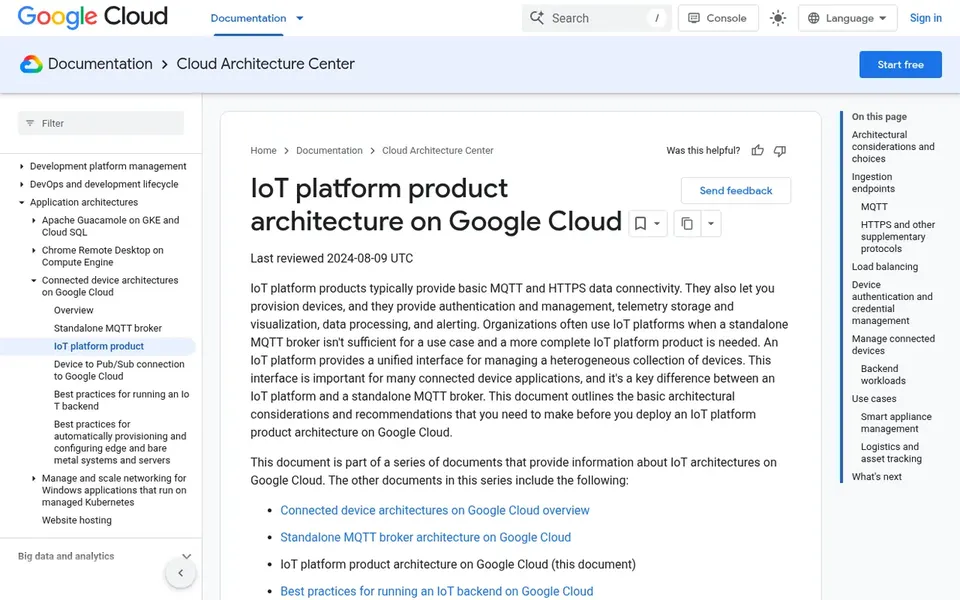
Google Cloud IoT serves Architecting IoT systems on Google Cloud. Consider it when Google Cloud is already your data home; otherwise compare connectivity and asset products that ship more ready-made capability.
Watch-outs: Needs Google Cloud expertise.
It suits retail organizations standardizing on Google Cloud that want a documented reference approach for ingesting device data and connecting it to analytics and applications. Check the vendor site for Google Cloud IoT pricing; none is listed in this comparison. On free options: Not stated.
Pick Siemens MindSphere if this describes you: industrial asset monitoring and uptime. The system is rooted in industrial automation, so it is less tailored to storefront, merchandising or customer-facing retail needs.
Choose it when industrial asset uptime is the priority and your teams already work within Siemens automation environments. Pricing for Siemens MindSphere is not stated here, so ask the vendor for current figures. As for free access: Not stated.
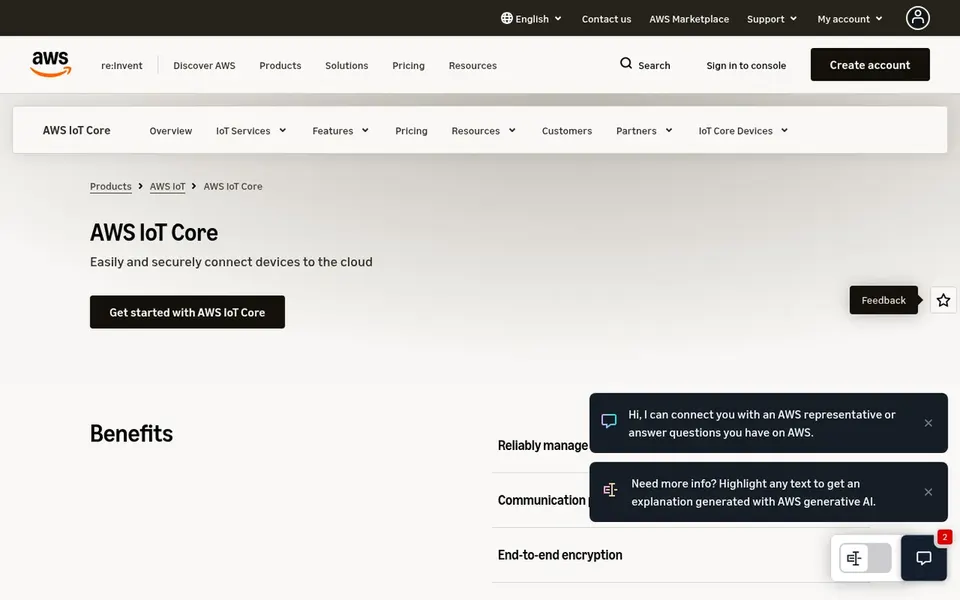
AWS IoT Core works best for secure device connectivity into AWS. If you need packaged retail workflows or managed store networking from day one, a more specialized system may be a better starting point.
AWS IoT Core is a secure IoT gateway that makes it possible for two-way communication between internet-connected devices and AWS services, with device gateway and device SDK capabilities. The system is a building block instead of a finished retail application, so it assumes engineering resources to design and operate integrations. Check the vendor site for AWS IoT Core pricing; none is listed in this comparison. AWS IoT Core offers a free plan.
Trade-offs to know: Needs cloud engineering effort.
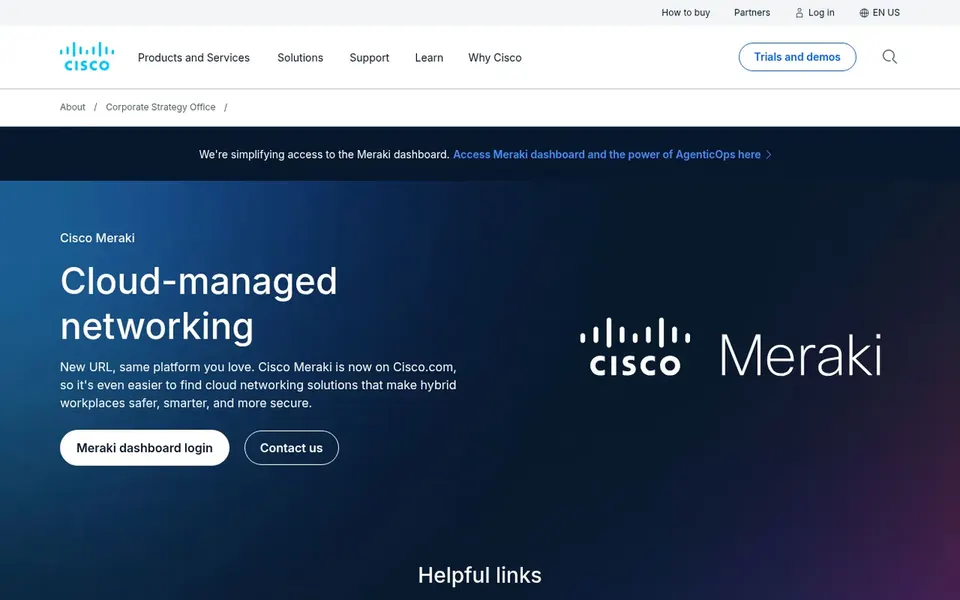
Cisco Meraki was built for Cloud-managed retail store networking. For retail, it suits organizations that want centralized control over connectivity across numerous keeps and devices, giving IT teams one place to run the network foundation that AI retail IoT workloads rely on.
Cisco Meraki is a cloud-managed networking system now hosted on Cisco.com, positioned around options that make hybrid workplaces safer, smarter and more secure. No starting price is listed for Cisco Meraki here; confirm pricing on the vendor site. Free access: Not stated.
What to check first: Value relies on Cisco ecosystem fit.
Where Zebra Technologies fits: retail edge hardware and data capture. Zebra is primarily a hardware and device management provider, so analytics, AI modeling and cloud integration generally come from other products.
Check the vendor site for Zebra Technologies pricing; none is listed in this comparison. As for free access: Not stated.
Best for: AI-driven asset management and reliability
IBM Maximo Application Suite makes the most sense for AI-driven asset management and reliability. Pick it when asset reliability and maintenance are the core problem instead of device connectivity or network management.
IBM Maximo Application Suite shows no starting price here, so confirm the cost on the vendor site. Trial and free access: Not stated.
Points against: Asset focus over storefront analytics.
Confirm the entry price with every vendor: no tool from Google Cloud IoT to IBM Maximo Application Suite shows a fixed starting price.
Test the free plan from AWS IoT Core against your real workload before relying on it.
Before choosing Google Cloud IoT, weigh its main limit: guidance-oriented instead of turnkey.
Confirm minimum seats and billing terms with AWS IoT Core before you commit to an annual plan.
Work out what Siemens MindSphere costs with your real seat count, add-ons and usage, not just the entry price.
How we picked
For each of the 6 tools we noted price, free plan or trial, fit for AI retail IoT software and the main limit, using vendor pages and documentation. Where a vendor does not publish a price, the entry says quote. Where a price depends on seats or billing term, the entry says so. Order on the page follows fit for the typical buyer first, then price transparency and free access. Your own requirements should decide the final pick.
Every price and plan detail on this page comes from the vendors’ own websites. We did not run hands-on tests unless the text says so, and we do not publish star ratings or review scores. See how we score and our disclosure.
Keep your shortlist in one place
Paste prices, trial dates and notes from this guide into Ainotely, our AI note app. It files them into a topic and pulls out tasks like “cancel trial by Friday”. Free 7-day trial, no card needed.
Often, yes. AWS IoT Core has a free plan. Use your own data and a real task during the test, and check what the free tier or trial limits before you rely on it.
Do these tools publish their prices?
No. None of the tools, from Google Cloud IoT to IBM Maximo Application Suite, shows a fixed starting price here, so budget time for quotes.
How are the tools for AI retail IoT software ordered?
Google Cloud IoT sits first and IBM Maximo Application Suite last because the order follows typical fit for AI retail IoT software, then price clarity and free access. It is a judgement call, so read each profile for fit and limits.
Is Google Cloud IoT the right pick for everyone comparing AI retail IoT software?
No single tool suits every team. Google Cloud IoT comes first because it fits Architecting IoT platforms on Google Cloud, while Siemens MindSphere suits industrial asset monitoring and uptime and AWS IoT Core suits secure device connectivity into AWS. Match the tool to your own size, budget and workflow before deciding.
Is a cloud-managed network enough for retail IoT?
Cloud-managed networking supplies the secure foundation for connected devices, but it does not deliver retail analytics or asset intelligence on its own.