Luminance is the first pick on this list for enterprise contract intelligence and risk. Lexis+ AI is the stronger choice for legal research with AI assistance, while Spellbook suits transactional lawyers drafting in Word. The remaining 3 options are covered below with prices and limits.
Ainotely compared 6 AI software for legal contracts. The goal is a practical shortlist: published prices, free plan facts, best-fit use cases and honest limits for every entry.
Key takeaways
This list starts with Luminance, which is built for enterprise contract intelligence and risk.
A permanent free plan is missing from all 6 tools, Luminance and Everlaw included; plan for a trial or a premium start.
Everlaw is the one to check for litigation and investigations review.
A fair warning about Lexis+ AI: contract drafting is not the headline.
No starting price is shown for any of the 6 tools, Luminance and Everlaw included, so plan time for sales calls.
Best for: Enterprise contract intelligence and risk
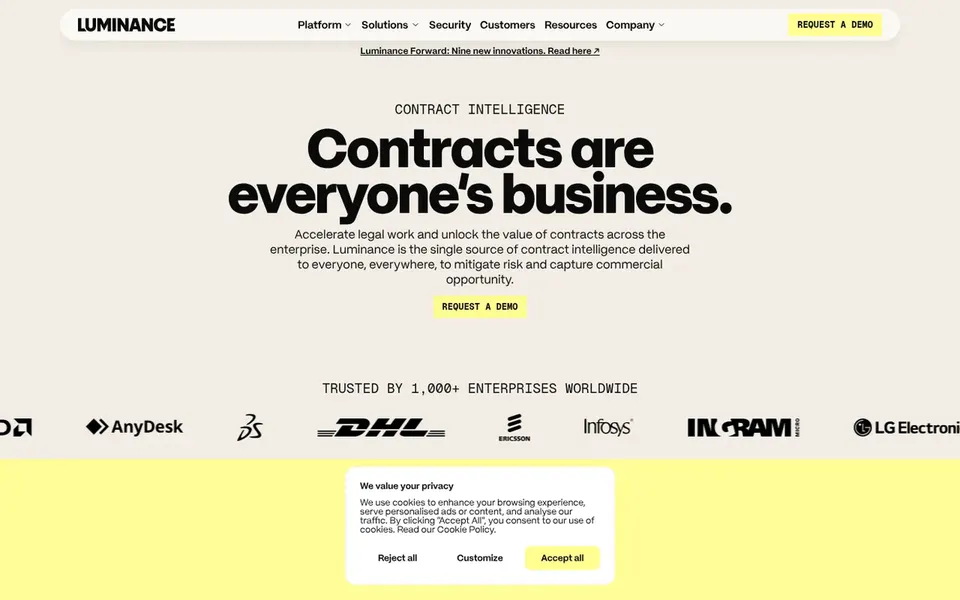
Luminance was built for enterprise contract intelligence and risk. The enterprise framing means smaller legal teams may find Luminance broader than their immediate needs.
Watch-outs: May need setup for smaller teams.
In daily use, if you chiefly want in-document drafting help, a Word-based contract tool could be more straightforward. Luminance shows no starting price here, so confirm the cost on the vendor site. On free options: Not stated.
Lexis+ AI is a good fit for legal research with AI assistance. Check with the vendor about contract-related capabilities and how they fit your subscription.
Downsides: Contract drafting is not the headline.
In practice, Lexis+ AI is not positioned primarily as a contract review or drafting tool. So teams wanting in-document clause help may need a dedicated product. Pricing for Lexis+ AI is not stated here, so ask the vendor for current figures. As for free access: Not stated.
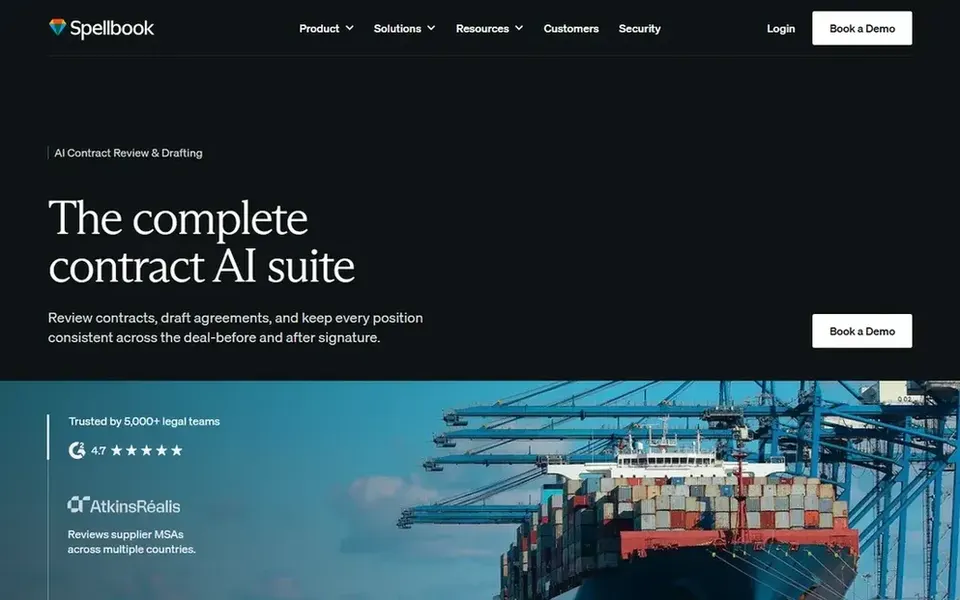
Pick Spellbook if this describes you: transactional lawyers drafting in Word. Spellbook concentrates on contracts instead of broader practice management, so businesses wanting litigation or knowledge tools should look elsewhere.
Check the vendor site for Spellbook pricing; none is listed in this comparison. Free options: Free trial.
Where iManage fits: legal knowledge and document management. iManage is an AI knowledge work product for legal and professional services. Its homepage describes managing and activating knowledge to power smarter decisions whereas securely connecting people and AI.
Also, iManage is not positioned as a single-purpose contract drafting tool, so teams seeking fast clause suggestions may need extra software. Its breadth can also mean more setup and adoption work. In practice, for contract work, it suits teams that require solid document and knowledge foundations around their agreements instead of a standalone review assistant. Check the vendor site for iManage pricing; none is listed in this comparison. On free options: Not stated.
Where it falls short: Broader product may need adoption effort.
Best for: Law businesses and corporate legal teams
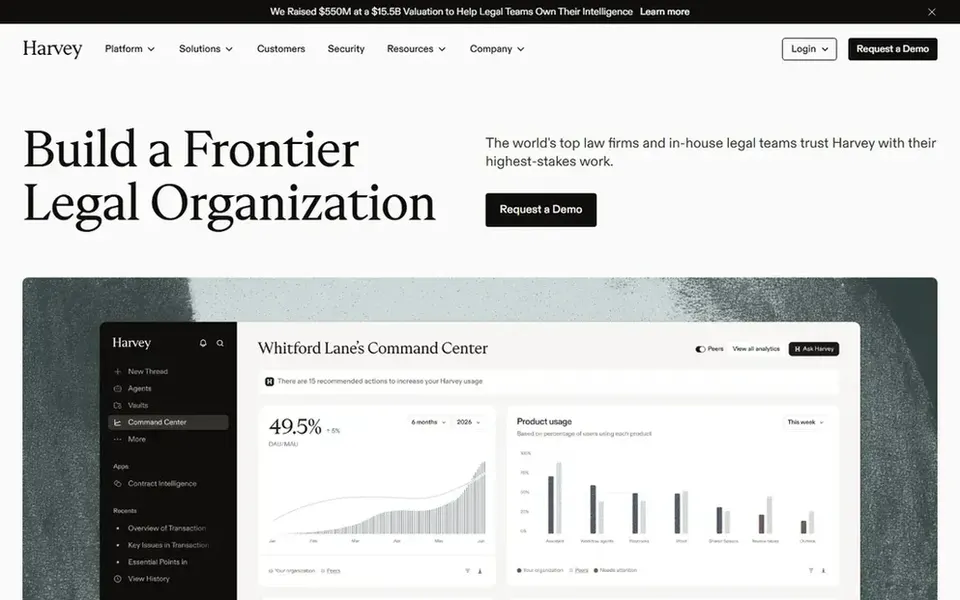
Harvey is aimed squarely at law businesses and corporate legal teams. Confirm current capabilities and fit straight with the vendor before committing. For everyday use, teams handling varied matters may find the breadth handy.
Limits to weigh: Wide scope may need configuration.
Since Harvey is positioned for leading businesses and corporate departments, smaller practices may find it heavier than needed. Harvey is AI software tailored for law businesses and corporate legal teams. No starting price is listed for Harvey here; confirm pricing on the vendor site. As for free access: Not stated.
Think of Everlaw for litigation and investigations review. Its homepage describes transforming the approach to litigation and investigations whereas powering legal teams and the AI tools they use.
On top of that, Everlaw is not designed as a contract drafting or negotiation assistant, so transactional lawyers should look at dedicated contract products. More specifically, confirm whether its workflows match your matter types before adopting it. Everlaw shows no starting price here, so confirm the cost on the vendor site. Trial and free access: Not stated.
The main drawbacks: Concentrated on dispute-related work.
Ask each vendor, from Luminance to Everlaw, for a written quote; none of them publishes a starting price.
Use real work to test the free trial from Spellbook, rather than a demo project.
Before choosing Luminance, weigh its main limit: enterprise-oriented positioning.
A short pilot of Spellbook with your real workflow tells you more than a feature table.
Ask Lexis+ AI how an export works before you move any records in; an easy exit lowers the risk.
How we picked
We compared the tools on published pricing, free plan or trial availability, feature coverage for AI software for legal contracts, and the limits each vendor documents. Where a price is missing, the vendor does not list one publicly or ties it to a quote. Always confirm before budgeting. The ranking is editorial: typical fit first, then clear pricing, then free access. If your needs are unusual, read the profiles rather than relying on position.
Every price and plan detail on this page comes from the vendors’ own websites. We did not run hands-on tests unless the text says so, and we do not publish star ratings or review scores. See how we score and our disclosure.
Keep your shortlist in one place
Paste prices, trial dates and notes from this guide into Ainotely, our AI note app. It files them into a topic and pulls out tasks like “cancel trial by Friday”. Free 7-day trial, no card needed.
Often, yes. Spellbook offers a free trial. Use your own data and a real task during the test, and check what the free tier or trial limits before you rely on it. The 6 tool cards above repeat this per product for AI software for legal contracts, with the listed price or "pricing on request".
How are the tools for AI software for legal contracts ordered?
Luminance sits first and Everlaw last because the order follows typical fit for AI software for legal contracts, then price clarity and free access. It is a judgement call, so read each profile for fit and limits.
Which AI tool is a good match for reviewing contracts?
For most readers this guide would start with Luminance, built for enterprise contract intelligence and risk. Lexis+ AI is the alternative for legal research with AI assistance, and Spellbook for transactional lawyers drafting in Word. The right answer depends on budget and workflow.
Can AI software replace lawyer review of contracts?
No. These tools assist with analysis, drafting and data review, but legal judgment and accountability remain with qualified lawyers. Treat AI output as a starting point that needs professional verification, particularly for high-risk or negotiated agreements.
Does any tool for AI software for legal contracts here have a free plan?
A permanent free plan is not offered by Luminance, Everlaw or the other tools here. Spellbook offer a trial. Plan a short evaluation period instead.
What should a small legal team consider first?
Start with the workflow you repeat most, for example drafting or first-pass review, and choose a focused tool like Spellbook if that is the priority.