Microsoft Dragon Copilot is the first pick on this list for Microsoft-centered clinical workflows. Suki is the stronger choice for reducing documentation burnout, while Abridge suits enterprise health system deployments. Details, prices and limits for the rest of the 5 tools are below.
Choosing AI transcription software for telemedicine usually comes down to price, fit and limits. This Ainotely guide sets 5 tools side by side on those three points, with the facts kept short and checkable.
Key takeaways
Microsoft Dragon Copilot is the opening pick, best for Microsoft-centered clinical workflows.
Check the limits for Suki before you commit: ambient capture relies on clear audio.
For outcome-focused clinical AI programs, Ambience Healthcare is worth a look.
Pricing across the list, from Microsoft Dragon Copilot to Ambience Healthcare, is by quote only.
A permanent free plan is missing from all 5 tools, Microsoft Dragon Copilot and Ambience Healthcare included; plan for a trial or a premium start.
Microsoft Dragon Copilot was built for Microsoft-centered clinical workflows. The most solid fit is inside Microsoft-centered environments, so practices on other systems should weigh integration effort carefully.
Watch-outs: Best value inside Microsoft ecosystems.
Confirm which documentation and workflow features apply to virtual care on the vendor page before shortlisting. This comparison lists no price for Microsoft Dragon Copilot; ask the vendor. As for free access: Not stated.
Suki serves reducing documentation burnout. Suki offers an Ambient Clinical Intelligence system that automates clinical documentation, with the stated goal of reducing burnout and giving clinicians more time with patients.
Ambient approaches depend on clear audio and structured encounters, so noisy or unusual visits may need review. Suki does not show a starting price in this comparison, so check the vendor site for current pricing. Free options: Not stated.
Drawbacks to consider: Specialty coverage should be checked.
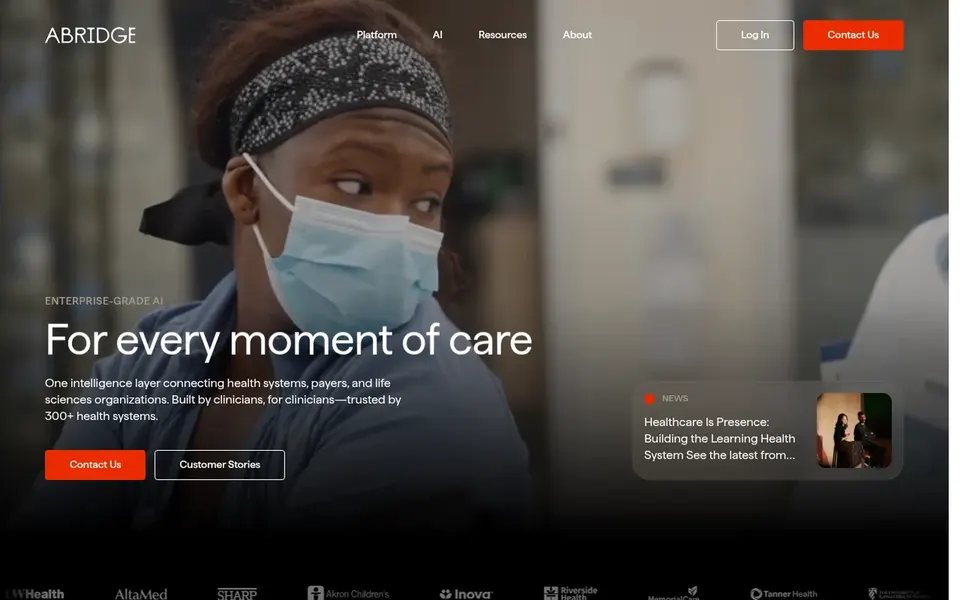
In short, Abridge is for enterprise health system deployments. Abridge describes itself as enterprise-grade clinical AI for healthcare, connecting health systems, payers, and life sciences around clinicians and patients for every moment of care. That positioning makes it a candidate for bigger telemedicine programs that require consistent documentation across plenty of clinicians and settings, instead of a single-practice tool.
If you run a compact virtual practice, compare lighter ambient scribes before deciding, and verify supported workflows with the vendor. In practice, the enterprise framing means smaller clinics may find the fit heavier than needed, and capabilities can differ by care setting. This comparison lists no price for Abridge; ask the vendor. On free options: Not stated.
Drawbacks to consider: Enterprise orientation may overwhelm small practices.
Nuance Dragon Medical One makes the most sense for dictation-led clinical documentation. Confirm integration details with your EHR and telehealth systems on the vendor site before committing.
Honest limits: Dictation style may suit some workflows better than others.
Because the emphasis is on speech recognition and healthcare AI instead of purely ambient conversation capture, teams wanting hands-free note generation may prefer a dedicated ambient scribe. No starting price is listed for Nuance Dragon Medical One here; confirm pricing on the vendor site. As for free access: Not stated.
Ambience Healthcare serves outcome-focused clinical AI programs. Practices wanting a narrow transcription utility may find the broader system scope unnecessary, so check the vendor's documented capabilities first.
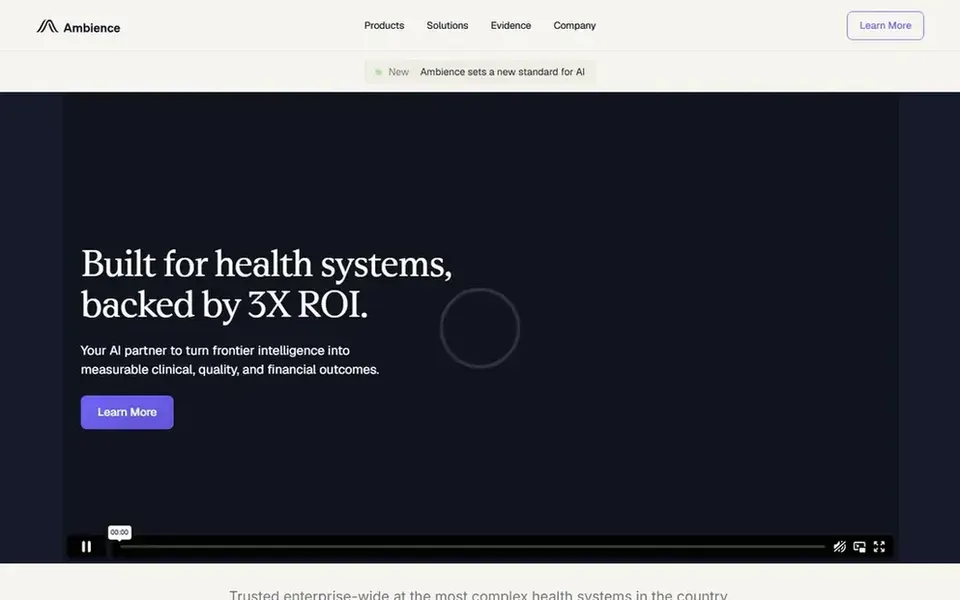
In practice, outcome-focused messaging means your team should validate results against its own workflows instead of assume transferability. Ambience Healthcare presents itself as an AI partner aimed at clinicians, turning frontier intelligence into measurable clinical, quality, and financial outcomes. This comparison lists no price for Ambience Healthcare; ask the vendor. Trial and free access: Not stated.
Where it is weaker: Outcome claims need local validation.
Request quotes from Microsoft Dragon Copilot, Ambience Healthcare and the others; the list shows no fixed prices.
Before choosing Microsoft Dragon Copilot, weigh its main limit: best value inside Microsoft ecosystems.
Ask whether Suki integrates with your current software, and whether that comes standard or as an add-on.
Check the support hours and onboarding help Abridge offers; smaller vendors vary a lot here.
Total up the real monthly cost of Ambience Healthcare, including add-ons, extra users and usage-based fees.
How we picked
The comparison looks at four things: starting price, free access, how well the feature set matches AI transcription software for telemedicine, and the main limit of each tool. Treat prices as a snapshot: vendors change plans often, so check the vendor site for the figure that applies today. Tools are placed by general fit for AI transcription software for telemedicine, with price clarity and free access as tie-breakers. A different team can reasonably rank them differently.
Every price and plan detail on this page comes from the vendors’ own websites. We did not run hands-on tests unless the text says so, and we do not publish star ratings or review scores. See how we score and our disclosure.
Keep your shortlist in one place
Paste prices, trial dates and notes from this guide into Ainotely, our AI note app. It files them into a topic and pulls out tasks like “cancel trial by Friday”. Free 7-day trial, no card needed.
How are the tools for AI transcription software for telemedicine ordered?
Microsoft Dragon Copilot sits first and Ambience Healthcare last because the order follows typical fit for AI transcription software for telemedicine, then price clarity and free access. It is a judgement call, so read each profile for fit and limits.
Is Microsoft Dragon Copilot the right pick for everyone comparing AI transcription software for telemedicine?
No single tool suits every team. Microsoft Dragon Copilot comes first because it fits Microsoft-centered clinical workflows, while Suki suits reducing documentation burnout and Abridge suits enterprise health system deployments. Match the tool to your own size, budget and workflow before deciding.
Does any tool for AI transcription software for telemedicine here have a free plan?
A permanent free plan is not offered by Microsoft Dragon Copilot, Ambience Healthcare or the other tools here. Plan a short evaluation period instead.
What should telemedicine practices look for in AI transcription software?
Prioritize accurate capture of virtual visit conversations, specialty-appropriate note structure, and integration with your telehealth and EHR systems. Also check how clinicians review and edit drafts before notes are finalized.
Do these tools publish their prices?
No. None of the tools, from Microsoft Dragon Copilot to Ambience Healthcare, shows a fixed starting price here, so budget time for quotes.