Talespin leads the list, best for engaging immersive learning experiences. For a different need, Pixaera covers safety training through decisions and Mursion covers AI-powered upskilling simulations. Prices, free plans and limits for all 6 tools follow.
Ainotely compared 6 tools for augmented reality training simulator software. The goal is a practical shortlist: published prices, free plan facts, best-fit use cases and honest limits for every entry.
Key takeaways
This list starts with Talespin, which is built for engaging immersive learning experiences.
What to know about Interplay Learning first: niche focus on trades.
Talespin, Strivr and the 4 others all need a premium plan or a trial, since no free plan is listed.
Strivr suits hands-free AR error detection.
Pricing across the list, from Talespin to Strivr, is by quote only.
Pick Talespin if this describes you: engaging immersive learning experiences. Talespin offers an immersive learning platform and training options built to boost engagement.
The main drawbacks: Restricted hardware integration details.
It is well-suited for organizations that want to produce interactive, scenario-based training that records learners' attention and boosts retention. Check the vendor site for Talespin pricing; none is listed in this comparison. Free access: Not stated.
For safety training through decisions, Pixaera is a natural candidate. Pixaera supplies safety training built on how people actually learn, using decision-led training that puts workers inside the decisions that matter.
Also, it commonly depends on VR hardware, which could be a barrier for some organizations compared with AR options like Strivr. Pixaera does not show a starting price in this comparison, so check the vendor site for current pricing. Trial and free access: Not stated.
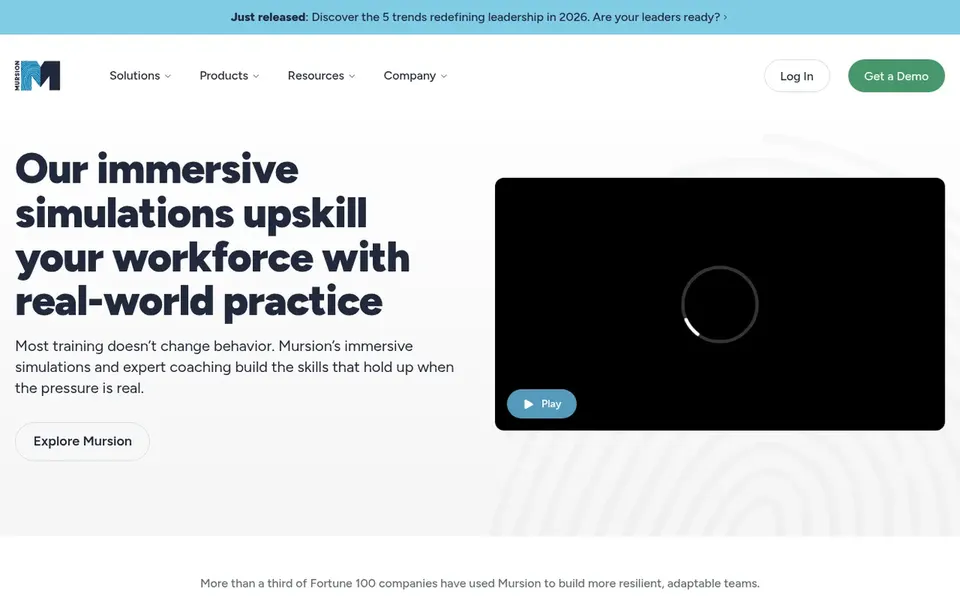
Choose Mursion for AI-powered upskilling simulations. Mursion supplies an AI-powered immersive upskilling system that helps organizations build a future-ready workforce through simulations. It is a strong match for practicing interpersonal skills, for example communication and leadership, in a safe, controlled environment.
Points against: May need facilitator support.
In practice, Mursion's simulations are primarily software-based and may not connect with AR glasses for practical procedural tasks. On top of that, organizations seeking hardware-integrated AR training should consider Strivr or Interplay Learning. Pricing for Mursion is not stated here, so ask the vendor for current figures. Trial and free access: Not stated.
Interplay Learning makes the most sense for skilled trades training. Interplay Learning concentrates on full 3D and simulation-based training for skilled trades.
Where it is weaker: Restricted AR hardware integration.
Pricing for Interplay Learning is not stated here, so ask the vendor for current figures. On free options: Not stated.
Osso VR is built with VR healthcare procedural training in mind. It is highly specialized for medical and nursing education.
Drawbacks to consider: Niche healthcare focus.
Worth adding: healthcare organizations seeking AR options might have to consider Strivr, whereas those outside healthcare may find Osso VR too specialized. Osso VR does not show a starting price in this comparison, so check the vendor site for current pricing. Free plan details: Not stated.
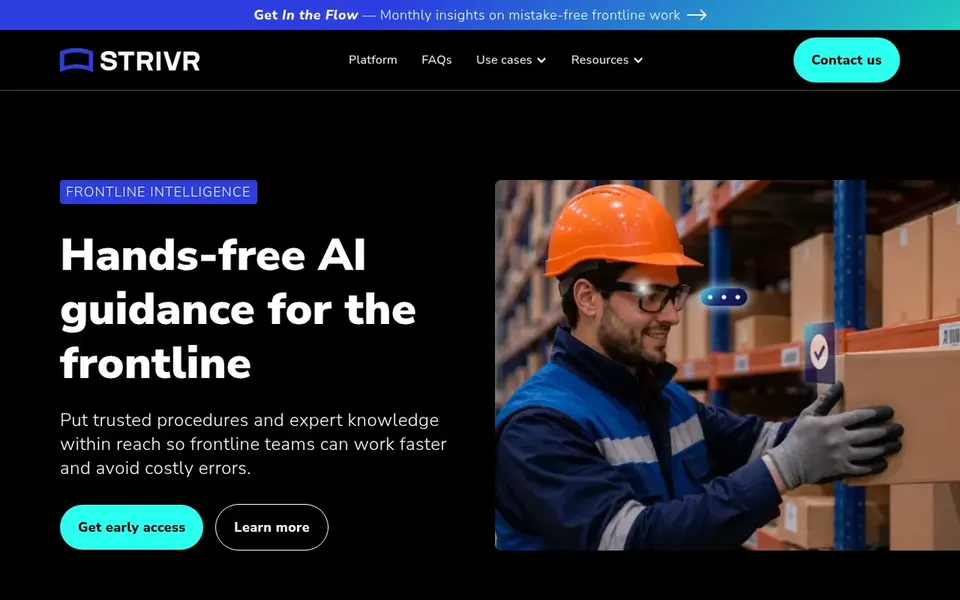
Think of Strivr for hands-free AR error detection. Organizations looking to cut errors and boost efficiency in industrial or field settings will find Strivr especially handy.
The main drawbacks: May need technical setup.
Additionally, the product is specialized for error detection and guidance. So teams seeking broader soft-skills training might need to consider other choices like Talespin or Mursion. Strivr does not show a starting price in this comparison, so check the vendor site for current pricing. Free plan details: Not stated.
Request quotes from Talespin, Strivr and the others; the list shows no fixed prices.
Before choosing Talespin, weigh its main limit: restricted hardware integration details.
Find out what support Strivr includes on your plan, and whether onboarding help costs extra.
Run a one or two week pilot of Mursion with the people who will use it every day.
Check how data leaves Pixaera: formats, limits and whether exports are available on every plan.
How we picked
Ainotely looked at what each vendor publishes: pricing, plan limits, feature coverage for augmented reality training simulator software and stated drawbacks. No hands-on testing is claimed. Figures are shown as the vendors publish them. Billing terms, seat minimums and add-ons can change the real cost. Position on the page reflects fit for a typical buyer first, with price clarity and free access breaking ties. Treat it as a guide, not a ruling.
Every price and plan detail on this page comes from the vendors’ own websites. We did not run hands-on tests unless the text says so, and we do not publish star ratings or review scores. See how we score and our disclosure.
Keep your shortlist in one place
Paste prices, trial dates and notes from this guide into Ainotely, our AI note app. It files them into a topic and pulls out tasks like “cancel trial by Friday”. Free 7-day trial, no card needed.
An augmented reality training simulator overlays digital information onto the real world to produce interactive training experiences. It commonly uses smart glasses or mobile devices to offer live guidance and feedback.
How are the tools for augmented reality training simulator software ordered?
The order follows typical fit for augmented reality training simulator software, with Talespin first and Strivr last, then price clarity and free access. It is editorial judgement, not a score, so another team could rank the tools differently.
Which tool is best for practical procedural training?
Talespin is the pick this page puts first, mainly for engaging immersive learning experiences. If your situation differs, Pixaera suits safety training through decisions, and Mursion suits AI-powered upskilling simulations. Compare price and limits before you decide.
Can I try these options before paying?
Not by default. None of the tools, from Talespin to Strivr, lists a free plan or a free trial here, so ask each vendor for a demo before committing.
Is Talespin the right pick for everyone comparing augmented reality training simulator software?
No single tool suits every team. Talespin comes first because it fits engaging immersive learning experiences, while Pixaera suits safety training through decisions and Mursion suits AI-powered upskilling simulations. Match the tool to your own size, budget and workflow before deciding.
Does any tool for augmented reality training simulator software here have a free plan?
No tool in this list, Talespin and Strivr included, has a permanent free plan. Trials and quotes are the usual route, so plan a short evaluation period.