Start with HubSpot if you need all-in-one marketing, sales, and service. Sitecore fits AI-powered content and personalization; Optimizely fits content creation, testing, and personalization. All 5 tools are compared below on price, free plan and limits.
If you are comparing B2B buyer experience platforms, this page covers 5 tools in one place: what each is best for, what it costs to start, whether it has a free plan, and the main limit to know about.
Key takeaways
Number one here is HubSpot, a fit for all-in-one marketing, sales, and service.
One limit worth knowing about HubSpot: deep customization may be limited.
Salesforce stands alone as the one tool in this list with a free plan.
No starting price is shown for any of the 5 tools, HubSpot and Salesforce included, so plan time for sales calls.
Salesforce suits unified CRM and AI-driven buyer data.
Best for: All-in-one marketing, sales, and service
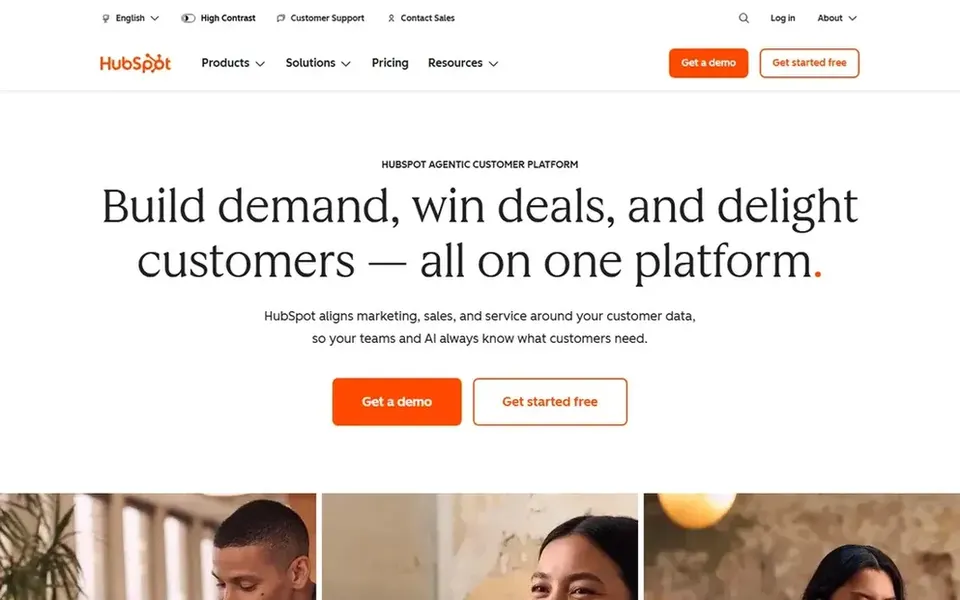
HubSpot is built with all-in-one marketing, sales, and service in mind. For B2B buyer experience, its strength is bringing marketing content, sales engagement, and customer service into one place so teams can coordinate touchpoints without stitching tools together.
Beyond that, teams with complicated content operations or highly tailored commerce flows may outgrow the bundled approach and need more specialized systems. Pricing for HubSpot is not stated here, so ask the vendor for current figures. As for free access: Not stated.
The main drawbacks: Deep customization may be restricted.
Sitecore is designed for AI-powered content and personalization. For B2B buyer experience, it suits organizations that want to stay visible at decision points and tailor interactions using combined content and customer context.
Sitecore does not show a starting price in this comparison, so check the vendor site for current pricing. Trial and free access: Not stated.
Best for: Content creation, testing, and personalization
In short, Optimizely is for content creation, testing, and personalization. Optimizely describes AI that helps marketing and digital teams build content quick, test and personalize experiences, and prove business impact.
For B2B buyer experience, it fits teams that want to iterate on landing pages, messaging, and journeys through experimentation instead of one-time builds. In practice, if your priority is enterprise content management with deep asset governance, Adobe Experience Manager or Sitecore may be a better match. Optimizely does not show a starting price in this comparison, so check the vendor site for current pricing. On free options: Not stated.
Points against: May need integration for full CRM depth.
Pick Adobe Experience Manager if this describes you: content, assets, and digital enrollment. The platform's depth can mean a longer implementation and a need for specialized skills.
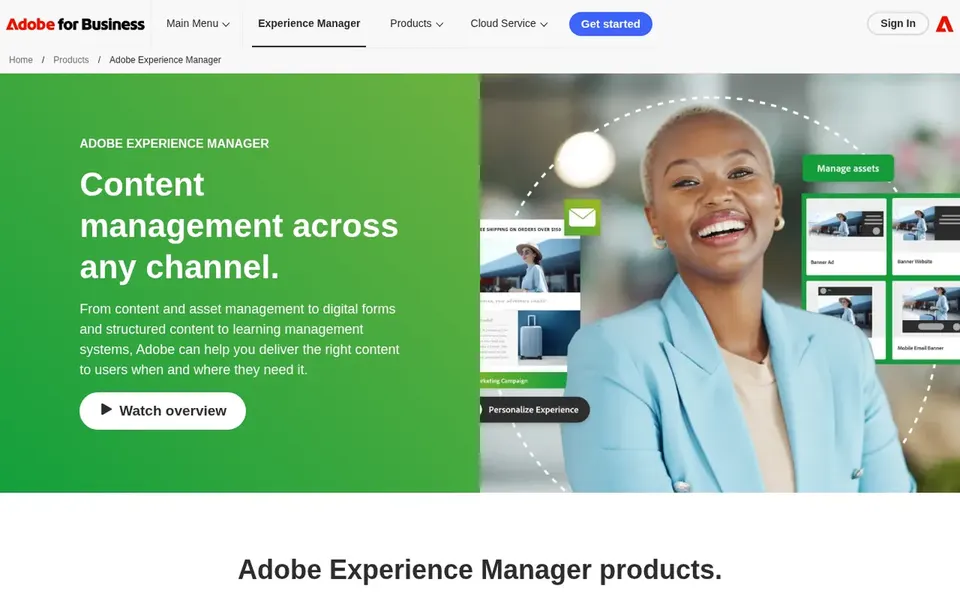
Adobe Experience Manager links digital asset management, a content management system, and digital enrollment to help brands run content at scale. Check the vendor site for Adobe Experience Manager pricing; none is listed in this comparison. On free options: Not stated.
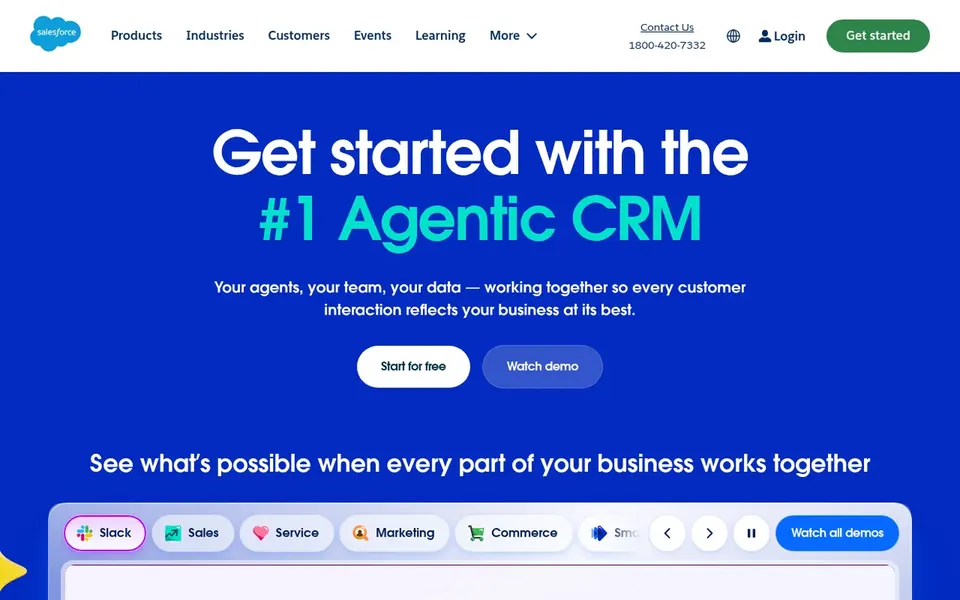
Salesforce works best for unified CRM and AI-driven buyer data. Salesforce presents itself as an AI CRM that unites the data, apps, and agents running a business.
It suits organizations that already treat CRM as the center of their buyer data and want to extend that foundation into more personalized, coordinated experiences across teams. Check the vendor site for Salesforce pricing; none is listed in this comparison. Free access exists with Salesforce.
What to check first: May be complex for small teams.
Request quotes from HubSpot, Salesforce and the others; the list shows no fixed prices.
Look at the free plan from Salesforce closely: its caps decide whether it is usable for real work.
Read the limits listed for HubSpot first: deep customization may be limited.
Ask HubSpot about contract length, onboarding fees and user minimums before you sign.
Pick one real project and run it in Adobe Experience Manager first; a small pilot shows fit faster than a checklist.
How we picked
The comparison looks at four things: starting price, free access, how well the feature set matches B2B buyer experience platforms, and the main limit of each tool. Where a vendor does not publish a price, the entry says quote. Where a price depends on seats or billing term, the entry says so. The sequence is a judgement call: typical use case first, then pricing transparency, then free access. Use the profiles to check fit.
Every price and plan detail on this page comes from the vendors’ own websites. We did not run hands-on tests unless the text says so, and we do not publish star ratings or review scores. See how we score and our disclosure.
Keep your shortlist in one place
Paste prices, trial dates and notes from this guide into Ainotely, our AI note app. It files them into a topic and pulls out tasks like “cancel trial by Friday”. Free 7-day trial, no card needed.
No. None of the tools, from HubSpot to Salesforce, shows a fixed starting price here, so budget time for quotes.
Which options for B2B buyer experience platforms have a free plan?
Salesforce is the only tool in this list with a free plan. Free plans usually cap users, projects or features, so check the limits on the vendor page. For the full picture, the cards above cover all 5 entries of this B2B buyer experience platforms list, including price, free plan and limits.
When does a content-focused system like Adobe Experience Manager make sense?
Adobe Experience Manager suits when buyer journeys rely on consistent brand assets, structured content, and digital enrollment working together. Teams prioritizing rapid testing may prefer Optimizely instead.
What should a B2B buyer experience system contain?
Look for a product that links content, customer data, and personalization so buyers see consistent, relevant interactions across touchpoints. Testing and measurement matter too, since they present whether experience changes support business goals.
Can I try these options before paying?
Often, yes. Salesforce has a free plan. Use your own data and a real task during the test, and check what the free tier or trial limits before you rely on it. Pricing, free plan details and limits for all 5 tools in this B2B buyer experience platforms roundup sit on the individual cards above.
Is HubSpot the right pick for everyone comparing B2B buyer experience platforms?
No single tool suits every team. HubSpot comes first because it fits all-in-one marketing, sales, and service, while Sitecore suits AI-powered content and personalization and Optimizely suits content creation, testing, and personalization. Match the tool to your own size, budget and workflow before deciding.