Amazon Neptune is the first pick on this list for completely managed graph database on AWS. Listed starting prices: Neo4j from $0.09 per GB per hour. TigerGraph is better for live AI and analytics at enterprise scale, and Neo4j is better for connected data and complicated queries at scale. The full list of 5 tools follows, with prices and free plan facts.
Choosing knowledge graph platforms for biopharma usually comes down to price, fit and limits. This Ainotely guide sets 5 tools side by side on those three points, with the facts kept short and checkable.
Key takeaways
Amazon Neptune is the opening pick, best for completely managed graph database on AWS.
Check the limits for TigerGraph before you commit: performance focus over semantics.
Pricing for Amazon Neptune, TigerGraph, Stardog and Siren is quote-based, which adds a sales step before you can compare cost.
2 of 5 tools offer a free plan: Amazon Neptune, Neo4j.
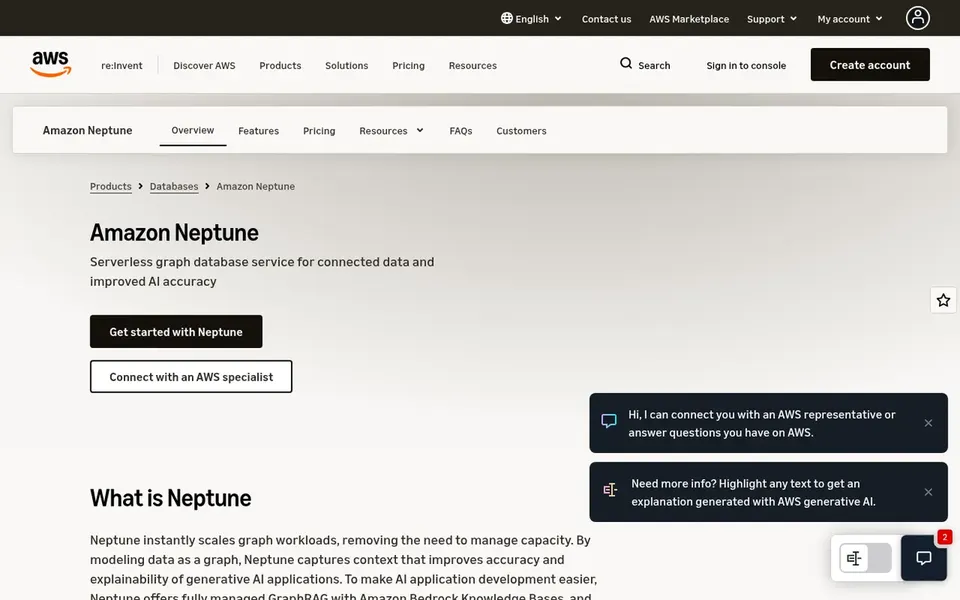
Best for: Completely managed graph database on AWS
Amazon Neptune targets completely managed graph database on AWS. For biopharma organizations already running workloads on AWS, it provides a managed path to graph storage without standing up infrastructure themselves. Being a managed cloud service, it is most attractive if your stack lives on AWS.
Drawbacks to consider: Tied to one cloud provider.
Multi-cloud or on-premises teams may prefer a vendor-neutral choice. It also leaves semantic modeling and ontology work to you, so consider GraphDB or Stardog if that layer is central to your needs. Worth adding: Amazon Neptune is a quick, completely managed database service powering graph use cases for example identity graphs, knowledge graphs and fraud detection. Amazon Neptune does not show a starting price in this comparison, so check the vendor site for current pricing. You can start on Amazon Neptune without paying.
Best for: Live AI and analytics at enterprise scale
TigerGraph serves live AI and analytics at enterprise scale. TigerGraph is a graph database for live AI and analytics, pitched at detecting fraud, resolving entities and uncovering hidden connections at enterprise scale.
If your work centers on shared vocabularies and meaning extraction, GraphDB or Stardog could be the more natural choice. From a buyer's view, in biopharma, those strengths map to entity resolution across messy records and quick exploration of relationship-heavy data. TigerGraph shows no starting price here, so confirm the cost on the vendor site. Free access: Free trial.
The main drawbacks: Performance focus over semantics.
Best for: Connected data and complicated queries at scale
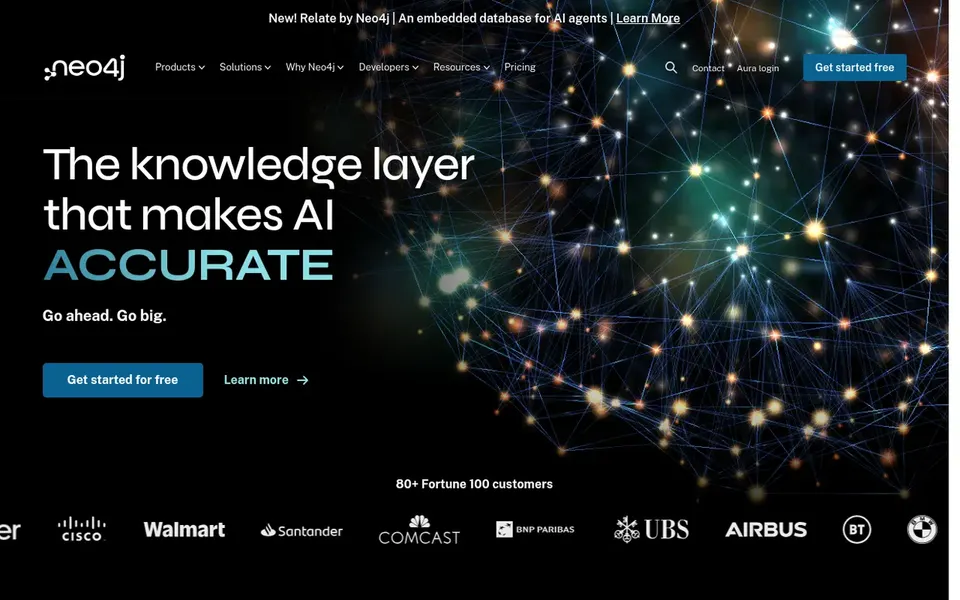
Pick Neo4j if this describes you: connected data and complicated queries at scale. If your priority is a ready-made semantic layer over existing enterprise data instead of a core graph store, Stardog may be the better starting point. More specifically, for biopharma, that makes it a natural fit for linking entities like compounds, targets, trials and publications into one traversable network.
Limits to weigh: Query language has a ramp-up time.
Its adaptability means the modeling work is on your team, and complicated queries reward people who invest in learning the query language. Neo4j is a graph data product that links data as it is stored, letting teams run feature-rich, complicated queries at scale and speed. On cost, Neo4j starts like this: $0.09 per GB per hour. Neo4j offers a free plan.
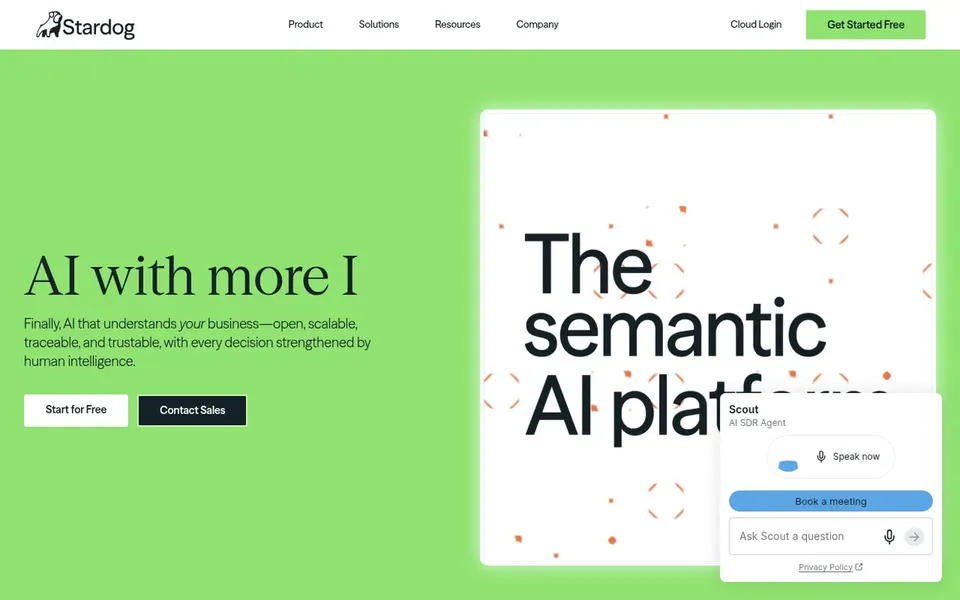
Stardog serves semantic layer over enterprise data. In biopharma settings, that positioning suits organizations that already hold data across numerous systems and want a shared meaning layer on top instead of another silo.
Where it is weaker: Centred on semantic modeling.
No starting price is listed for Stardog here; confirm pricing on the vendor site. Free options: Not stated.
Choose Siren for search-based investigative intelligence. If you want a foundational graph product for research data, Neo4j or GraphDB is the more direct starting point.
Siren is a search-based investigative intelligence system used to investigate risks, threats and crimes, serving large and complicated organizations with search-centric investigation. Its investigative focus means it is not a general graph database, so wide analytics and ontology work need other tools. Siren does not show a starting price in this comparison, so check the vendor site for current pricing. Free plan details: Not stated.
Get a written quote from Amazon Neptune, TigerGraph, Stardog and Siren; the list shows no starting price for them.
Check what the free option really includes: Amazon Neptune and Neo4j offer a free plan, and usage caps differ.
Run a trial of TigerGraph with real work before paying for a year; your own workflow is the best test.
Before choosing Amazon Neptune, weigh its main limit: tied to one cloud provider.
Pick one real project and run it in TigerGraph first; a small pilot shows fit faster than a checklist.
Ask Siren about contract length, onboarding fees and user minimums before you sign.
How we picked
For each of the 5 tools we noted price, free plan or trial, fit for knowledge graph platforms for biopharma and the main limit, using vendor pages and documentation. Where a vendor does not publish a price, the entry says quote. Where a price depends on seats or billing term, the entry says so. The order reflects how well each tool fits the most common buying scenario for knowledge graph platforms for biopharma, then price clarity, then free plan access. It is a starting point, not a verdict.
Every price and plan detail on this page comes from the vendors’ own websites. We did not run hands-on tests unless the text says so, and we do not publish star ratings or review scores. See how we score and our disclosure.
Keep your shortlist in one place
Paste prices, trial dates and notes from this guide into Ainotely, our AI note app. It files them into a topic and pulls out tasks like “cancel trial by Friday”. Free 7-day trial, no card needed.
Often, yes. Amazon Neptune and Neo4j have a free plan and TigerGraph offers a free trial. Use your own data and a real task during the test, and check what the free tier or trial limits before you rely on it.
Do these tools publish their prices?
Not all of them. Amazon Neptune, TigerGraph, Stardog and Siren publish no starting price, so expect a quote request for those. The rest, Neo4j included, show a starting price, though seats and billing terms still change the final cost.
What makes a knowledge graph product a good fit for biopharma?
Biopharma data spans research, clinical and operational systems, so the most solid fit links entities for example compounds, trials and publications whereas supporting semantic meaning. Look for a system whose documented features match whether you need a core graph store, a semantic layer, or investigation-focused search.
Should I choose a graph database or a semantic layer first?
Start with the problem you are solving: a graph database like Neo4j or Amazon Neptune fits connected queries and traversal, whereas a semantic layer like Stardog suits unifying meaning across existing systems.
Is Amazon Neptune the right pick for everyone comparing knowledge graph platforms for biopharma?
No single tool suits every team. Amazon Neptune comes first because it fits fully managed graph database on AWS, while TigerGraph suits real-time AI and analytics at enterprise scale and Neo4j suits connected data and complex queries at scale. Match the tool to your own size, budget and workflow before deciding.
How are the tools for knowledge graph platforms for biopharma ordered?
Amazon Neptune sits first and Siren last because the order follows typical fit for knowledge graph platforms for biopharma, then price clarity and free access. It is a judgement call, so read each profile for fit and limits.