Our first pick is ZeroFox, best for external threat intelligence and disruption. Pointer Brand Protection is the stronger choice for approachable software now under Corsearch, while OpSec Security suits product authentication and traceability. All 6 tools are compared below on price, free plan and limits.
Ainotely compared 6 tools for brand protection software for small business. The goal is a practical shortlist: published prices, free plan facts, best-fit use cases and honest limits for every entry.
Key takeaways
The list opens with ZeroFox, aimed at external threat intelligence and disruption.
A fair warning about OpSec Security: physical authentication focus differs from online monitoring.
Best for: External threat intelligence and disruption
Think of ZeroFox for external threat intelligence and disruption. Choose ZeroFox when external threat disruption is the core need.
In daily use, the threat-intelligence framing can feel technical for a team without security staff. The wide scope requires prioritization to stay handy. This comparison lists no price for ZeroFox; ask the vendor. On free options: Not stated.
Drawbacks to consider: Threat focus may feel technical for small teams.
Best for: Approachable software now under Corsearch
Pointer Brand Protection serves approachable software now under Corsearch. It suits teams that want approachable software backed by a bigger protection portfolio, and that are comfortable buying through the Corsearch organization.
Honest limits: Standalone identity now folded into Corsearch.
Since Pointer is no longer a standalone product, buyers should confirm the current product path and how existing capabilities are delivered. Pointer Brand Protection does not show a starting price in this comparison, so check the vendor site for current pricing. Free plan details: Not stated.
Choose OpSec Security for product authentication and traceability. OpSec Security, presented under Crane Authentication, helps brands and governments combat counterfeiting with product authentication, brand protection, traceability and security options. Worth adding: the authentication focus differs from online marketplace or social monitoring, so digital abuse may need extra coverage.
Where it is weaker: Physical authentication focus differs from online monitoring.
From a buyer's view, choose OpSec when product authentication and traceability are central to your brand risk. In practice, service firms with no physical product will find less relevance here. The strength is in physical and supply-chain authentication alongside protection services. Check the vendor site for OpSec Security pricing; none is listed in this comparison. Free options: Not stated.
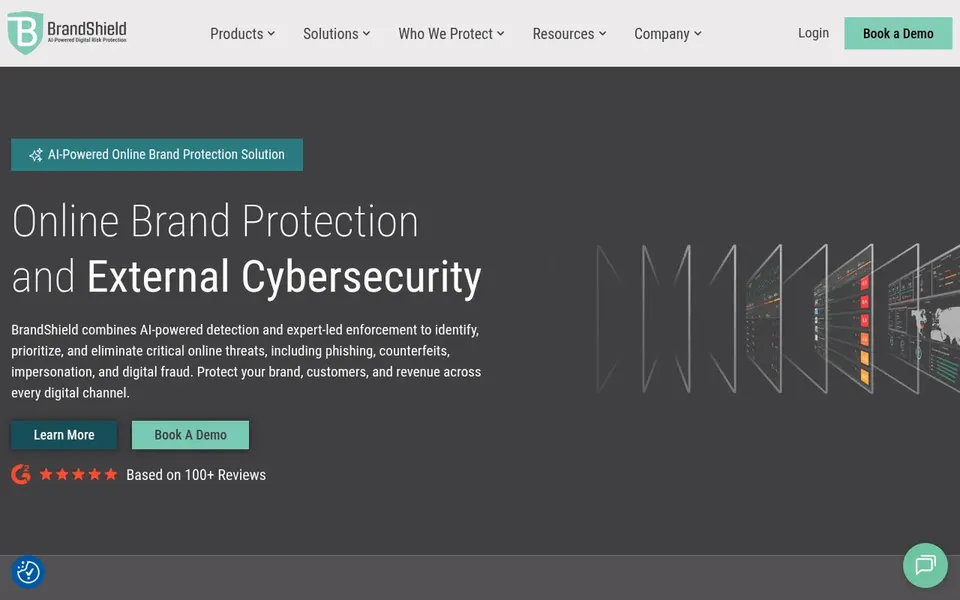
In short, BrandShield is for wide online brand abuse detection. BrandShield presents itself as an online brand protection option built to defend brands from phishing, impersonation, counterfeits, fake ads and online abuse.
Consider a narrower tool if your primary concern is domain management or a single channel. Detection is AI-powered and paired with expert enforcement, so the system aims to both surface threats and help act on them. No starting price is listed for BrandShield here; confirm pricing on the vendor site. On free options: Not stated.
Where BrandShield stands out: Handles phishing, impersonation. Downsides: Enforcement workflows take time to learn.
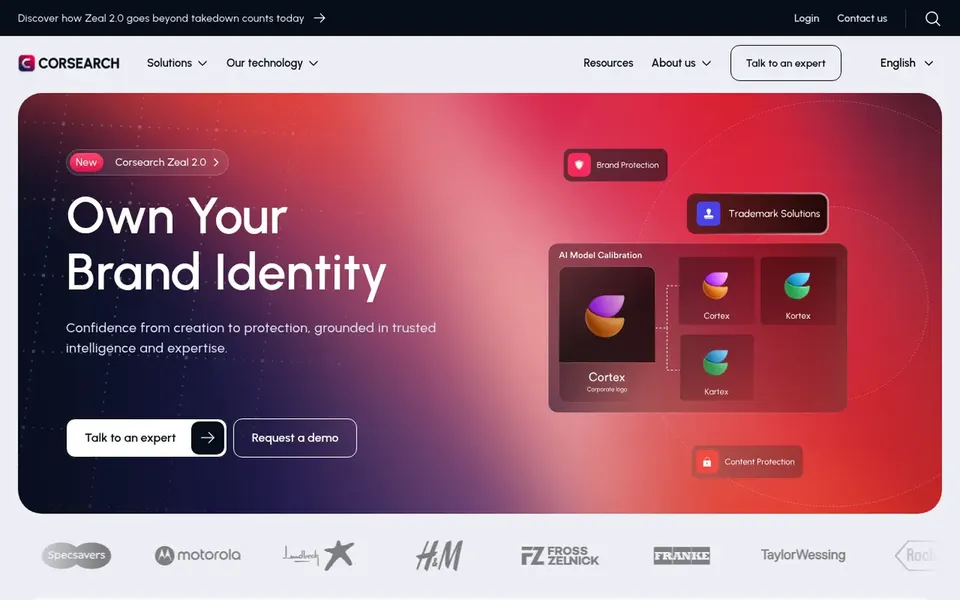
In short, Corsearch is for trademark and brand protection together. Corsearch positions itself around brand protection and trademark options, combining AI-fueled technology with decades of expertise. From a buyer's view, a single-purpose monitoring tool may be more straightforward if trademarks are not yet a concern.
From a buyer's view, budget-conscious buyers should define requirements before engaging. The breadth of the offering can be more than a very small business needs at the outset, and overlapping services may make scoping harder. This comparison lists no price for Corsearch; ask the vendor. Free options: Not stated.
Drawbacks to consider: Overlapping services can complicate scoping.
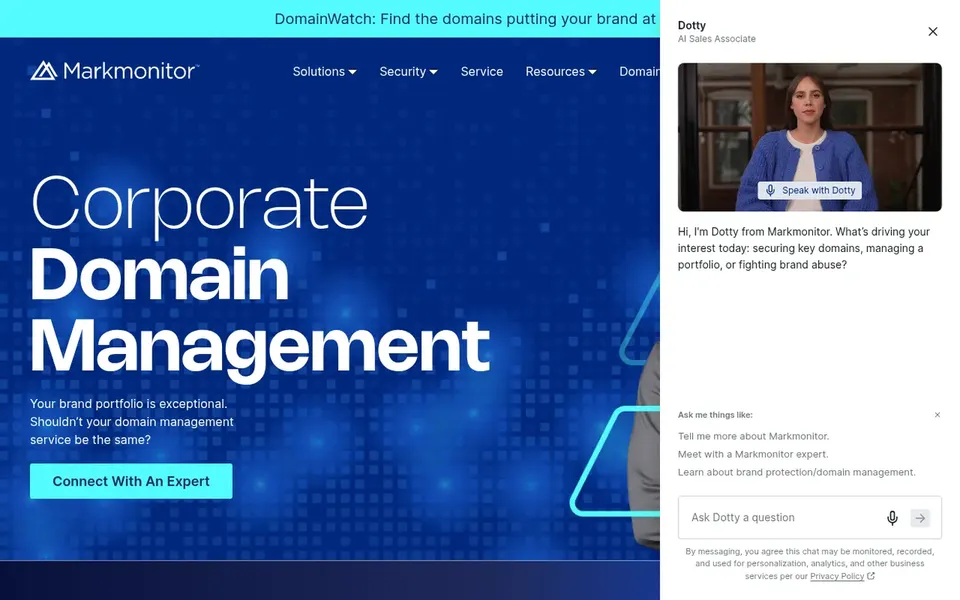
Think of MarkMonitor for corporate domain portfolio management. The emphasis is on managing and protecting a company's domain holdings instead of policing marketplaces or social channels.
The domain-centric scope means other abuse types fall outside the core offering. Pricing for MarkMonitor is not stated here, so ask the vendor for current figures. On free options: Not stated.
Where it is weaker: Restricted emphasis on marketplace counterfeits.
Ask each vendor, from ZeroFox to MarkMonitor, for a written quote; none of them publishes a starting price.
Read the limits listed for ZeroFox first: threat focus may feel technical for small teams.
Before you load data into MarkMonitor, check what an export looks like and who can run it.
Confirm the exact Pointer Brand Protection plan that includes your must-have features.
A short pilot of Corsearch with your real workflow tells you more than a feature table.
How we picked
Ainotely looked at what each vendor publishes: pricing, plan limits, feature coverage for brand protection software for small business and stated drawbacks. No hands-on testing is claimed. Treat prices as a snapshot: vendors change plans often, so check the vendor site for the figure that applies today. Position on the page reflects fit for a typical buyer first, with price clarity and free access breaking ties. Treat it as a guide, not a ruling.
Every price and plan detail on this page comes from the vendors’ own websites. We did not run hands-on tests unless the text says so, and we do not publish star ratings or review scores. See how we score and our disclosure.
Keep your shortlist in one place
Paste prices, trial dates and notes from this guide into Ainotely, our AI note app. It files them into a topic and pulls out tasks like “cancel trial by Friday”. Free 7-day trial, no card needed.
Not by default. None of the tools, from ZeroFox to MarkMonitor, lists a free plan or a free trial here, so ask each vendor for a demo before committing.
What should a small business look for in brand protection software?
Start with the abuse types you actually face, for example counterfeit listings, impersonation or fake ads. A focused tool commonly beats a wide product for a small team.
Does any tool for brand protection software for small business here have a free plan?
No tool in this list, ZeroFox and MarkMonitor included, has a permanent free plan. Trials and quotes are the usual route, so plan a short evaluation period.
How do software-only tools differ from software plus services?
Software-only tools surface threats and leave action to your team, which fits companies with in-house capacity. Software plus services brings vendor support for enforcement and takedowns, which helps small teams without dedicated staff.
Is ZeroFox the right pick for everyone comparing brand protection software for small business?
No single tool suits every team. ZeroFox comes first because it fits external threat intelligence and disruption, while Pointer Brand Protection suits user-friendly software now under Corsearch and OpSec Security suits product authentication and traceability. Match the tool to your own size, budget and workflow before deciding.
Is domain management enough for brand protection?
If domains are your central exposure, a domain-focused service can be sufficient. If you sell products online, pair it with broader monitoring.