Microsoft Defender for Cloud is the first pick on this list for hybrid and multicloud Microsoft environments. Wiz is better for connected code, cloud and runtime view, and Amazon GuardDuty is better for AWS-native threat detection. Details, prices and limits for the rest of the 5 tools are below.
Choosing cloud technology for security usually comes down to price, fit and limits. This Ainotely guide sets 5 tools side by side on those three points, with the facts kept short and checkable.
Key takeaways
This list starts with Microsoft Defender for Cloud, which is built for hybrid and multicloud Microsoft environments.
Pricing across the list, from Microsoft Defender for Cloud to Palo Alto Networks Prisma Cloud, is by quote only.
Only Amazon GuardDuty offers a free plan among these 5 tools.
One limit worth knowing about Amazon GuardDuty: concentrated on AWS environments.
Palo Alto Networks Prisma Cloud is the one to check for wide code to cloud protection.
Best for: Hybrid and multicloud Microsoft environments
Microsoft Defender for Cloud targets hybrid and multicloud Microsoft environments. Microsoft Defender for Cloud is presented as part of Microsoft's cloud security options, securing hybrid and multicloud environments through a full cloud-native application protection system.
Downsides: Multicloud depth varies by environment.
In daily use, choose it when Microsoft alignment and hybrid coverage outweigh purely multicloud neutrality. Also, coverage depth can differ across environments, so confirm fit for each cloud you run. Microsoft Defender for Cloud does not show a starting price in this comparison, so check the vendor site for current pricing. Trial and free access: Not stated.
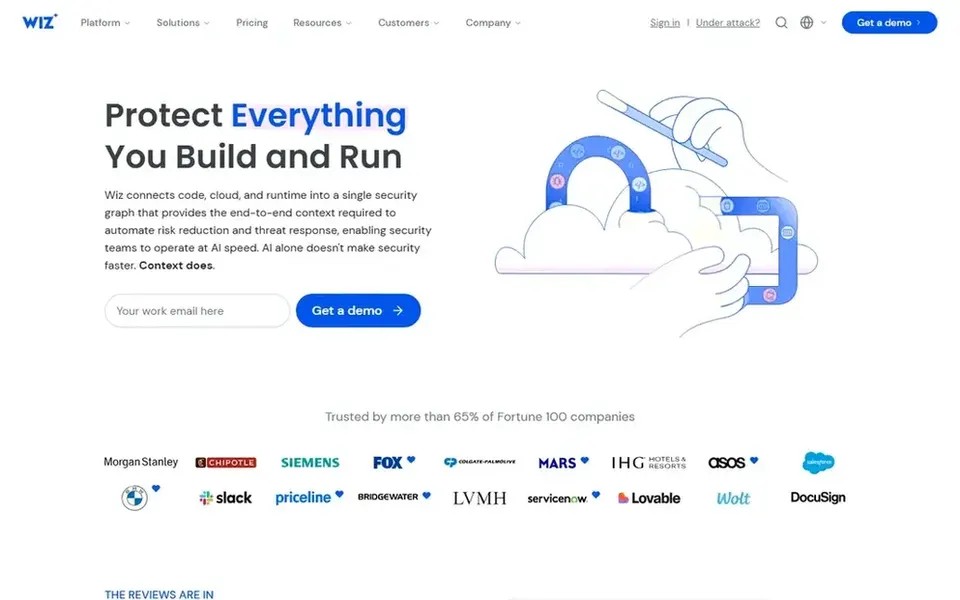
Wiz is aimed squarely at connected code, cloud and runtime view. Wiz presents itself as an agentic cybersecurity product that links code, cloud and runtime, helping teams prevent risk and detect threats across every cloud and AI layer.
Points against: AI layer coverage may be more than some need.
From a buyer's view, the emphasis on AI and agentic capabilities may exceed what a traditional cloud estate needs, and connecting several layers takes planning. Check the vendor site for Wiz pricing; none is listed in this comparison. On free options: Not stated.
Amazon GuardDuty works best for AWS-native threat detection. From a buyer's view, pick it when AWS-native threat detection is the requirement and broader CNAPP functions are handled elsewhere.
As for the details, organizations wanting a focused, provider-native detection layer are the target audience. On top of that, environments outside AWS are not its focus. No starting price is listed for Amazon GuardDuty here; confirm pricing on the vendor site. Amazon GuardDuty has a free plan.
Think of Google Security Command Center for Google Cloud risk reduction. Security Command Center is Google Cloud's security offering, described as the best security for Google Cloud, reducing risk and securing cloud, generative AI and agentic AI workloads. More specifically, choose it when Google Cloud is central and native integration is valued.
The main drawbacks: AI workload coverage may be early for some.
Beyond that, teams adopting generative and agentic AI on Google Cloud may find the stated focus relevant. Its center of gravity is Google Cloud, so heavily multicloud estates may need extra tooling for other providers. Google Security Command Center shows no starting price here, so confirm the cost on the vendor site. Trial and free access: Not stated.
Palo Alto Networks Prisma Cloud serves wide code to cloud protection. Teams with mixed cloud estates and a need for consistent policy across environments are the natural audience.
Limits to weigh: Best value for organizations with mixed clouds.
The breadth that makes it attractive also means more configuration and governance effort at the start. This comparison lists no price for Palo Alto Networks Prisma Cloud; ask the vendor. Trial and free access: Not stated.
Request quotes from Microsoft Defender for Cloud, Palo Alto Networks Prisma Cloud and the others; the list shows no fixed prices.
Test the free plan from Amazon GuardDuty against your real workload before relying on it.
Read the limits listed for Microsoft Defender for Cloud first: most natural for Microsoft-centric estates.
Run a one or two week pilot of Wiz with the people who will use it every day.
Read the plan comparison for Palo Alto Networks Prisma Cloud carefully; key features often start on a higher tier.
How we picked
Ainotely looked at what each vendor publishes: pricing, plan limits, feature coverage for cloud technology for security and stated drawbacks. No hands-on testing is claimed. Treat prices as a snapshot: vendors change plans often, so check the vendor site for the figure that applies today. The ranking is editorial: typical fit first, then clear pricing, then free access. If your needs are unusual, read the profiles rather than relying on position.
Every price and plan detail on this page comes from the vendors’ own websites. We did not run hands-on tests unless the text says so, and we do not publish star ratings or review scores. See how we score and our disclosure.
Keep your shortlist in one place
Paste prices, trial dates and notes from this guide into Ainotely, our AI note app. It files them into a topic and pulls out tasks like “cancel trial by Friday”. Free 7-day trial, no card needed.
No. None of the tools, from Microsoft Defender for Cloud to Palo Alto Networks Prisma Cloud, shows a fixed starting price here, so budget time for quotes.
Which options for cloud technology for security have a free plan?
Amazon GuardDuty is the only tool in this list with a free plan. Free plans usually cap users, projects or features, so check the limits on the vendor page.
Can I try these tools before paying?
Often, yes. Amazon GuardDuty has a free plan. Use your own data and a real task during the test, and check what the free tier or trial limits before you rely on it.
What should I check before committing to a cloud security product?
Confirm coverage for each cloud you use, integration with existing identity and workflow tools, and the effort needed to tune risk prioritization. Also review how reporting suits your team.
Is Microsoft Defender for Cloud the right pick for everyone comparing cloud technology for security?
No single tool suits every team. Microsoft Defender for Cloud comes first because it fits hybrid and multicloud Microsoft environments, while Wiz suits connected code, cloud and runtime view and Amazon GuardDuty suits AWS-native threat detection. Match the tool to your own size, budget and workflow before deciding.