Microsoft SQL Server comes first here, mainly for Microsoft-centric analytics and AI integration. If your case is different, Google Cloud Spanner suits always-on globally scaled cloud applications and CockroachDB suits resilient globally distributed SQL deployments. All 6 tools are compared below on price, free plan and limits.
This Ainotely guide covers 6 options for database management systems for enterprise. Each profile lists a starting price, free plan details, strengths and drawbacks, so you can drop poor fits quickly.
Key takeaways
The list opens with Microsoft SQL Server, aimed at Microsoft-centric analytics and AI integration.
Before buying CockroachDB, weigh this: distributed design brings operational concepts.
Microsoft SQL Server, Oracle Database and the 4 others all sell by quote; expect sales conversations before you see a price.
None of the 6 tools, from Microsoft SQL Server to Oracle Database, has a free plan, so budget for a subscription or use a trial.
For mature AI-ready enterprise relational workloads, Oracle Database is worth a look.
Best for: Microsoft-centric analytics and AI integration
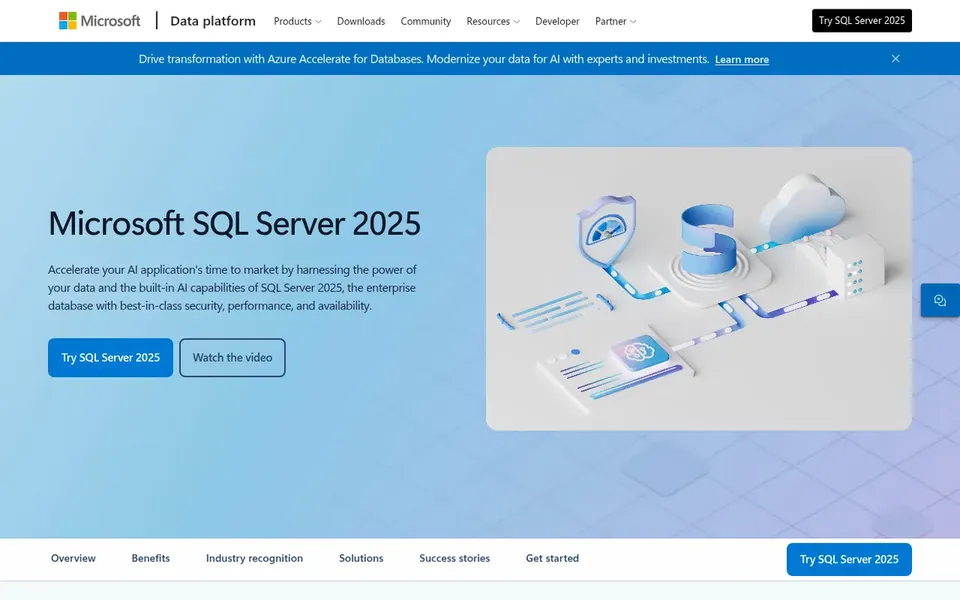
Microsoft SQL Server is a good fit for Microsoft-centric analytics and AI integration. Microsoft SQL Server is a relational database positioned for enterprise data with developer-first features and integration with analytics and AI models. Its vendor frames the current release as accelerating AI innovation using data organizations already hold.
The main drawbacks: Most solid value inside the Microsoft ecosystem.
Its advantages concentrate inside the Microsoft ecosystem, so mixed-platform estates may prefer a more neutral engine. Worth adding: organizations needing globally distributed, always-on scale beyond a single regional deployment may look to Spanner or CockroachDB instead. Microsoft SQL Server shows no starting price here, so confirm the cost on the vendor site. As for free access: Not stated.
Best for: Always-on globally scaled cloud applications
Where Google Cloud Spanner fits: always-on globally scaled cloud applications. Its vendor flags the absence of maintenance windows, meaning apps stay uninterrupted.
More specifically, organizations wanting self-managed or hybrid deployments may prefer Db2 or EDB Postgres. The cloud-first design may conflict with strict on-premises requirements, and its global architecture can be more than simple workloads need. Check the vendor site for Google Cloud Spanner pricing; none is listed in this comparison. Free options: Not stated.
Where it falls short: Global design can exceed straightforward workload needs.
Best for: Resilient globally distributed SQL deployments
CockroachDB works best for resilient globally distributed SQL deployments. Distributed systems introduce operational concepts that single-region teams may not need, and simpler workloads can be served by a traditional relational engine.
Where it is weaker: May be overkill for single-region workloads.
CockroachDB does not show a starting price in this comparison, so check the vendor site for current pricing. Free access: Free trial.
SAP HANA works best for single DBaaS foundation for SAP estates. It suits organizations running SAP landscapes that want one managed data layer supporting both transactional applications and analytical workloads without stitching separate systems together.
Points against: Wide system scope needs planning.
This comparison lists no price for SAP HANA; ask the vendor. As for free access: Not stated.
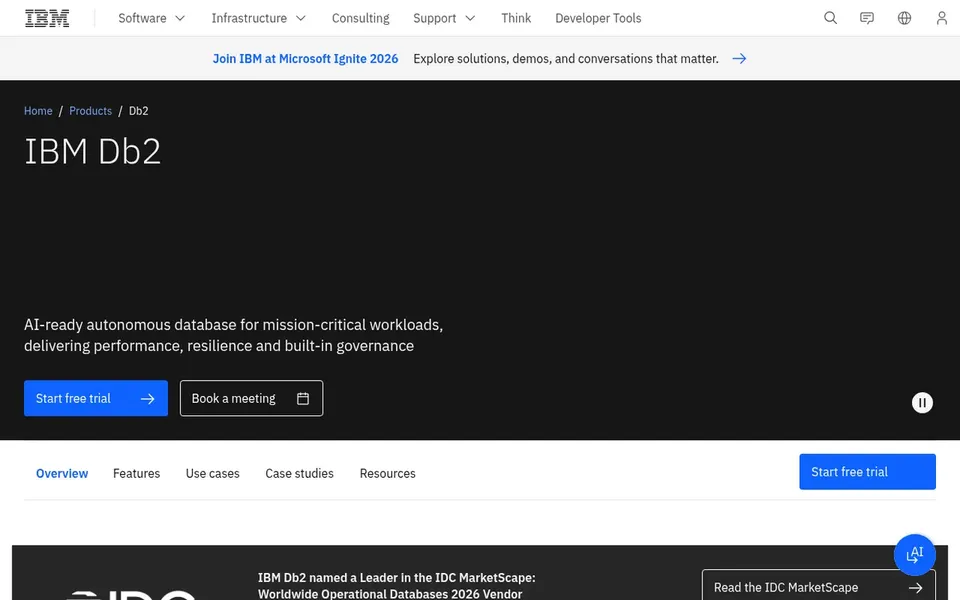
IBM Db2 serves autonomous operations in hybrid cloud. IBM Db2 is presented as an AI-powered autonomous database offering live insights and hybrid cloud adaptability whereas simplifying operations and protecting critical data.
Trade-offs to know: Best value with existing IBM skills.
If your priority is a light open-source path with commercial support, EDB Postgres is the more natural comparison. The product assumes a certain enterprise scale and skill base, so small teams may find it more than they need. This comparison lists no price for IBM Db2; ask the vendor. On free options: Not stated.
Best for: Mature AI-ready enterprise relational workloads
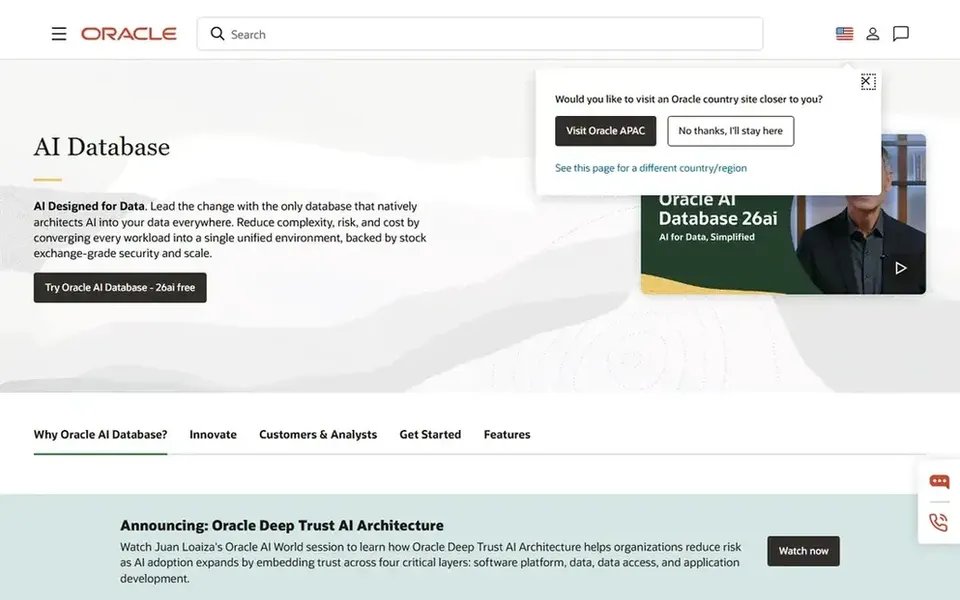
Where Oracle Database fits: mature AI-ready enterprise relational workloads. Oracle Database is a long-established relational product positioned around AI-assisted application development and critical workloads.
Limits to weigh: Wide feature set can be complicated to operate.
More specifically, the system's breadth is also its burden: administration and tuning demand experienced staff, and smaller teams may find it heavy for straightforward needs. For everyday use, if your workloads are modest or your team prefers lighter open-source operations, a more straightforward engine for example EDB Postgres may be a better fit. No starting price is listed for Oracle Database here; confirm pricing on the vendor site. On free options: Not stated.
Request quotes from Microsoft SQL Server, Oracle Database and the others; the list shows no fixed prices.
Take the trial from CockroachDB and push a live task through it before you pay.
Read the limits listed for Microsoft SQL Server first: most solid value inside the Microsoft ecosystem.
Let daily users try IBM Db2 on real work; their feedback beats any feature checklist.
Add up seats, add-ons and usage charges for SAP HANA before comparing it with cheaper entries.
How we picked
We compared the tools on published pricing, free plan or trial availability, feature coverage for database management systems for enterprise, and the limits each vendor documents. Treat prices as a snapshot: vendors change plans often, so check the vendor site for the figure that applies today. Order on the page follows fit for the typical buyer first, then price transparency and free access. Your own requirements should decide the final pick.
Every price and plan detail on this page comes from the vendors’ own websites. We did not run hands-on tests unless the text says so, and we do not publish star ratings or review scores. See how we score and our disclosure.
Keep your shortlist in one place
Paste prices, trial dates and notes from this guide into Ainotely, our AI note app. It files them into a topic and pulls out tasks like “cancel trial by Friday”. Free 7-day trial, no card needed.
Is Microsoft SQL Server the right pick for everyone comparing database management systems for enterprise?
No single tool suits every team. Microsoft SQL Server comes first because it fits Microsoft-centric analytics and AI integration, while Google Cloud Spanner suits always-on globally scaled cloud applications and CockroachDB suits resilient globally distributed SQL deployments. Match the tool to your own size, budget and workflow before deciding.
Do these tools publish their prices?
No. None of the tools, from Microsoft SQL Server to Oracle Database, shows a fixed starting price here, so budget time for quotes.
How are the tools for database management systems for enterprise ordered?
Microsoft SQL Server sits first and Oracle Database last because the order follows typical fit for database management systems for enterprise, then price clarity and free access. It is a judgement call, so read each profile for fit and limits.
Which enterprise database is easiest to start with?
For teams already using Microsoft tooling, SQL Server tends to be the most familiar starting point. Organizations wanting open-source foundations with commercial support frequently evaluate EDB Postgres first.
How do I compare operational effort across these systems?
Ask how much administration each system automates, whether managed cloud choices exist, and what skills your team already holds. Autonomous features in Db2 and cloud-managed models like Spanner and SAP HANA Cloud cut routine work, whereas self-managed deployments demand more in-house expertise.
Can I try these tools before paying?
Often, yes. CockroachDB offers a free trial. Use your own data and a real task during the test, and check what the free tier or trial limits before you rely on it. Each of the 6 options in this database management systems for enterprise guide has its own card above with the price, free plan and limits.