Carrier HAP comes first here, mainly for HVAC system sizing and energy analysis. For a different need, DesignBuilder covers simplified building energy simulation and EnergyGauge covers residential code compliance and ratings. The other 2 tools in the list cover narrower or pricier cases.
Choosing energy modeling software usually comes down to price, fit and limits. This Ainotely guide sets 5 tools side by side on those three points, with the facts kept short and checkable.
Key takeaways
The list opens with Carrier HAP, aimed at HVAC system sizing and energy analysis.
EnergyPro is the one to check for California compliance and energy analysis.
What to know about DesignBuilder first: advanced features need training.
Pricing across the list, from Carrier HAP to EnergyPro, is by quote only.
Think of Carrier HAP for HVAC system sizing and energy analysis. Carrier HAP is an HVAC design and analysis tool from Carrier, a company concentrated on climate and energy options for buildings.
As for the details, if your goal is envelope-driven or code-compliance modeling, a dedicated building simulation tool may be a better primary choice. Carrier HAP shows no starting price here, so confirm the cost on the vendor site. Trial and free access: Not stated.
The main drawbacks: Concentrated on HVAC instead of whole-building carbon.
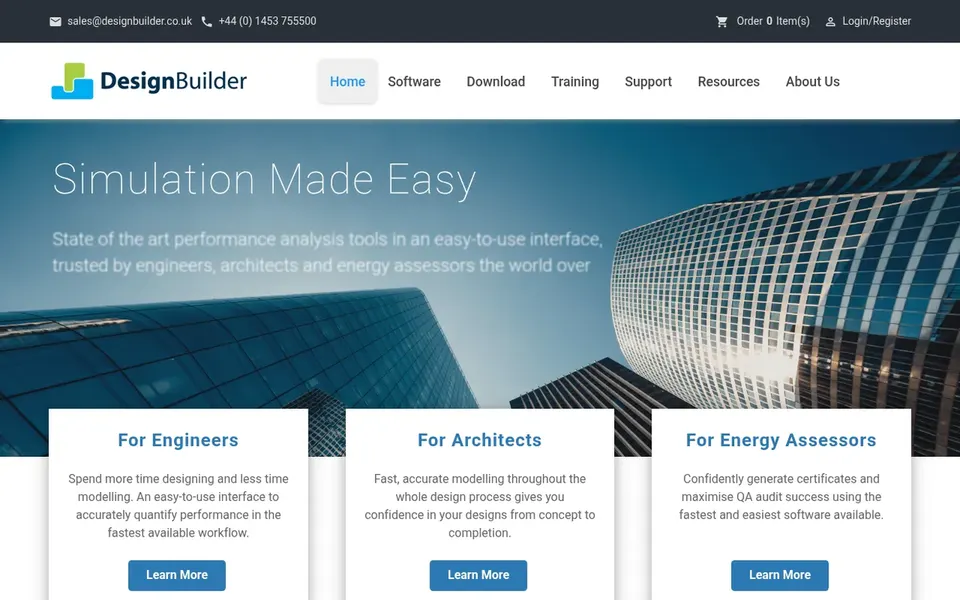
DesignBuilder is designed for simplified building energy simulation. DesignBuilder is a building energy simulation tool with a graphical environment that helps users build models, run simulations and review results. Pick DesignBuilder when a balance of usability and in-depth simulation matters.
More specifically, if your work is largely straightforward code compliance, a lighter tool may be sufficient. Worth adding: some advanced modeling choices need training and careful input management, and very large models can take time to run. DesignBuilder shows no starting price here, so confirm the cost on the vendor site. Free access: Not stated.
What to check first: Advanced features need training.
In short, EnergyGauge is for residential code compliance and ratings. EnergyGauge is building energy simulation software from FSEC/UCF for residential and commercial code compliance, HERS ratings, ASHRAE 90.1, IECC and LEED analysis.
Drawbacks to consider: Narrower focus than whole-building systems.
EnergyGauge does not show a starting price in this comparison, so check the vendor site for current pricing. Free plan details: Not stated.
Best for: Whole-building performance and carbon analysis
IESVE is aimed squarely at whole-building performance and carbon analysis. The depth of the product means a longer onboarding period and more setup effort than light tools.
Downsides: Heavy for straightforward studies.
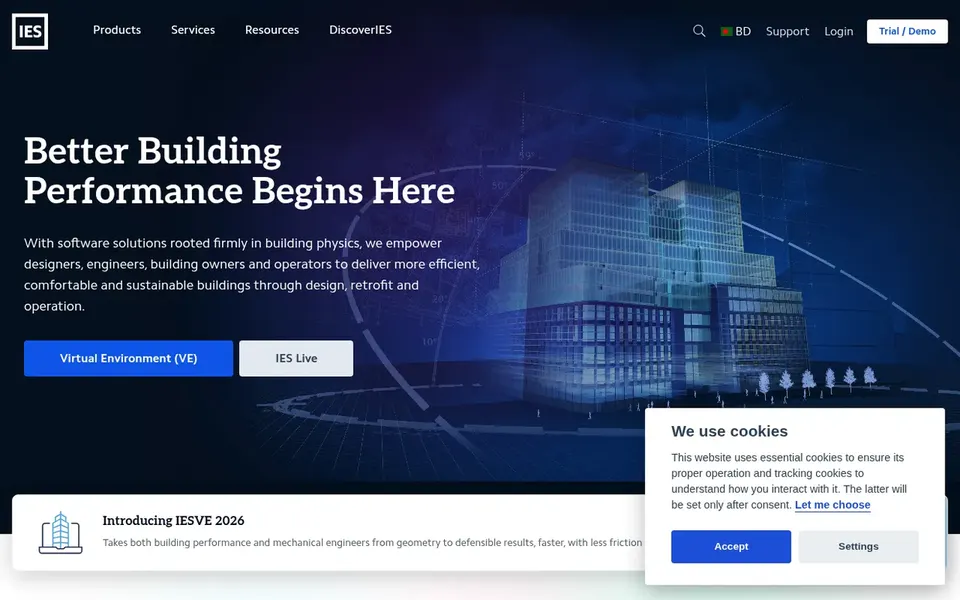
Teams working on complicated projects with several systems and compliance needs are the core audience. IESVE is an integrated environmental design product from IES that models building energy use and environmental impact across cities and individual buildings. IESVE shows no starting price here, so confirm the cost on the vendor site. Free options: Free trial.
Best for: California compliance and energy analysis
Think of EnergyPro for California compliance and energy analysis. EnergyPro from EnergySoft is an energy analysis tool oriented toward code compliance and building energy performance documentation.
From a buyer's view, teams outside its target regulatory context may find other tools more relevant. Choose EnergyPro when compliance documentation is the primary modeling goal. This comparison lists no price for EnergyPro; ask the vendor. Free options: Not stated.
Confirm the entry price with every vendor: no tool from Carrier HAP to EnergyPro shows a fixed starting price.
Take the trial from IESVE and push a live task through it before you pay.
Before choosing Carrier HAP, weigh its main limit: concentrated on HVAC instead of whole-building carbon.
Look at which plan of Carrier HAP unlocks the features you need; entry tiers are often cut down.
Check the support hours and onboarding help DesignBuilder offers; smaller vendors vary a lot here.
How we picked
For each of the 5 tools we noted price, free plan or trial, fit for energy modeling software and the main limit, using vendor pages and documentation. Figures are shown as the vendors publish them. Billing terms, seat minimums and add-ons can change the real cost. Tools are placed by general fit for energy modeling software, with price clarity and free access as tie-breakers. A different team can reasonably rank them differently.
Every price and plan detail on this page comes from the vendors’ own websites. We did not run hands-on tests unless the text says so, and we do not publish star ratings or review scores. See how we score and our disclosure.
Keep your shortlist in one place
Paste prices, trial dates and notes from this guide into Ainotely, our AI note app. It files them into a topic and pulls out tasks like “cancel trial by Friday”. Free 7-day trial, no card needed.
Is Carrier HAP the right pick for everyone comparing energy modeling software?
No single tool suits every team. Carrier HAP comes first because it fits HVAC system sizing and energy analysis, while DesignBuilder suits simplified building energy simulation and EnergyGauge suits residential code compliance and ratings. Match the tool to your own size, budget and workflow before deciding.
How are the tools for energy modeling software ordered?
Carrier HAP sits first and EnergyPro last because the order follows typical fit for energy modeling software, then price clarity and free access. It is a judgement call, so read each profile for fit and limits.
How do I compare tools without practical access?
Check whether the tool supports your target codes and file formats. A short pilot on a representative project can reveal usability issues before you commit.
Can I try these options before paying?
Often, yes. IESVE offers a free trial. Use your own data and a real task during the test, and check what the free tier or trial limits before you rely on it.
Do these tools publish their prices?
No. None of the tools, from Carrier HAP to EnergyPro, shows a fixed starting price here, so budget time for quotes.