MuleSoft Anypoint Platform leads the list, best for general enterprise integration including APIs. Redox is better for connect-once data exchange across endpoints, and Microsoft Azure Health Data Services is better for Cloud PHI workloads on Azure. All 6 tools are compared below on price, free plan and limits.
Short on time? The summary and table above give the quick view of 6 tools for FHIR integration software, and the profiles that follow give the detail behind each entry.
Key takeaways
MuleSoft Anypoint Platform is the opening pick, best for general enterprise integration including APIs.
AWS HealthLake stands alone as the one tool in this list with a free plan.
MuleSoft Anypoint Platform, InterSystems HealthShare and the 4 others all sell by quote; expect sales conversations before you see a price.
Check the limits for Microsoft Azure Health Data Services before you commit: best value within the Azure ecosystem.
For enterprise clinical interoperability across sources, InterSystems HealthShare is worth a look.
Enterprise clinical interoperability across sources
Not stated
Enterprise-oriented complexity
The 6 picks in detail
MA
#1
MuleSoft Anypoint Platform
Best for: General enterprise integration including APIs
MuleSoft Anypoint Platform is designed for general enterprise integration including APIs. Anypoint is a general integration product, so FHIR-specific behavior relies on how you configure it instead of being built in.
Where it is weaker: FHIR work relies on configuration.
Also, MuleSoft Anypoint Platform is described as a complete hybrid integration system for SOA, SaaS, and APIs, with freedom to integrate on-premises or in the cloud. Confirm connector and standards support with the vendor. Check the vendor site for MuleSoft Anypoint Platform pricing; none is listed in this comparison. Free access: Not stated.
Best for: Connect-once data exchange across endpoints
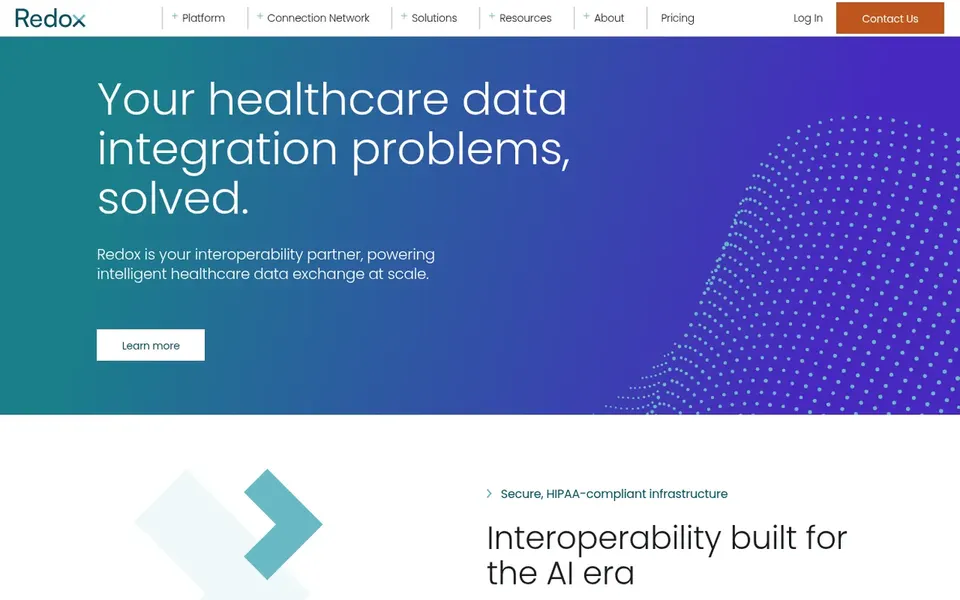
In short, Redox is for connect-once data exchange across endpoints. Redox states that healthcare organizations use it to link once and exchange data anywhere.
Trade-offs to know: Abstraction layer may limit low-level control.
The emphasis is on simplifying connectivity instead of hosting a full FHIR data system. From a buyer's view, since Redox works as an exchange layer, teams that want direct control over a FHIR repository may need extra infrastructure. Check the vendor site for Redox pricing; none is listed in this comparison. Redox does not include a free plan.
Microsoft Azure Health Data Services was built for Cloud PHI workloads on Azure. The suite is most compelling for Azure-based teams; other cloud environments may need extra integration effort.
In daily use, Azure Health Data Services is described as a suite of purpose-built technologies for protected health information in the cloud. Pricing for Microsoft Azure Health Data Services is not stated here, so ask the vendor for current figures. Free options: Free trial.
Points against: Best value within the Azure ecosystem.
Pick AWS HealthLake if this describes you: FHIR storage and analysis on AWS. AWS HealthLake is described as a way to securely store, transform, transact, and analyze health data in minutes, with support for FHIR storage and interoperable health data standards.
Where it is weaker: Needs AWS data engineering skills.
It suits teams on AWS that want managed FHIR storage paired with analytics workflows in the same cloud. Pricing for AWS HealthLake is not stated here, so ask the vendor for current figures. Free access exists with AWS HealthLake.
Google Cloud Healthcare API serves managed FHIR, HL7v2, and DICOM handling. Google Cloud Healthcare API is described as a secure, compliant, completely managed service for managing healthcare data in FHIR, HL7v2, and DICOM formats, plus unstructured text in natural language.
As for the details, if you need a vendor-neutral integration layer across many external partners, Redox or MuleSoft may complement this service. Pricing for Google Cloud Healthcare API is not stated here, so ask the vendor for current figures. On free options: Not stated.
Where it falls short: Needs cloud engineering skills.
Best for: Enterprise clinical interoperability across sources
In short, InterSystems HealthShare is for enterprise clinical interoperability across sources. The system's breadth can mean more configuration and governance effort than a narrow integration layer.
Where it is weaker: May exceed needs of small teams.
Main advantages: Links and shares data from plenty of sources.
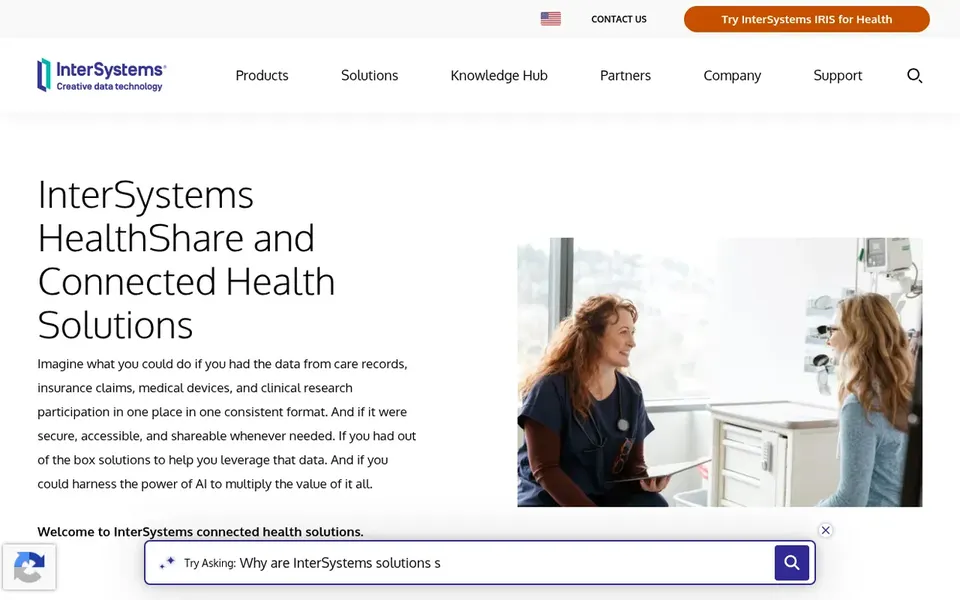
In daily use, smaller teams or those wanting only a managed FHIR repository may prefer a more straightforward cloud service or a FHIR-native product. Also, InterSystems HealthShare is described as an advanced interoperability product that links health data from several sources whereas keeping it secure, accessible, and shareable when needed. InterSystems HealthShare shows no starting price here, so confirm the cost on the vendor site. Free options: Not stated.
Confirm the entry price with every vendor: no tool from MuleSoft Anypoint Platform to InterSystems HealthShare shows a fixed starting price.
Look at the free plan from AWS HealthLake closely: its caps decide whether it is usable for real work.
Run a trial of Microsoft Azure Health Data Services with real work before paying for a year; your own workflow is the best test.
Read the limits listed for MuleSoft Anypoint Platform first: not healthcare-specific by default.
Price AWS HealthLake for your actual team size; headline prices rarely include add-ons or overage.
See whether Microsoft Azure Health Data Services offers onboarding or training, and whether it is included in the price.
How we picked
The comparison looks at four things: starting price, free access, how well the feature set matches FHIR integration software, and the main limit of each tool. Plan names, prices and limits change often. Treat the figures here as a starting point and verify them with the vendor. We ordered the tools by general fit, then by how clearly pricing is shown, then by free access. A buyer with unusual needs may reorder them.
Every price and plan detail on this page comes from the vendors’ own websites. We did not run hands-on tests unless the text says so, and we do not publish star ratings or review scores. See how we score and our disclosure.
Keep your shortlist in one place
Paste prices, trial dates and notes from this guide into Ainotely, our AI note app. It files them into a topic and pulls out tasks like “cancel trial by Friday”. Free 7-day trial, no card needed.
Often, yes. AWS HealthLake has a free plan and Microsoft Azure Health Data Services offers a free trial. Use your own data and a real task during the test, and check what the free tier or trial limits before you rely on it. Pricing, free plan details and limits for all 6 tools in this FHIR integration software roundup sit on the individual cards above.
How are the tools for FHIR integration software ordered?
MuleSoft Anypoint Platform sits first and InterSystems HealthShare last because the order follows typical fit for FHIR integration software, then price clarity and free access. It is a judgement call, so read each profile for fit and limits.
What should I look for in FHIR integration software?
Focus on supported FHIR versions and profiles, the standards you must exchange like HL7v2 and DICOM, and whether you want a managed service or self-managed product.
Do these tools publish their prices?
No. None of the tools, from MuleSoft Anypoint Platform to InterSystems HealthShare, shows a fixed starting price here, so budget time for quotes.
Is MuleSoft Anypoint Platform the right pick for everyone comparing FHIR integration software?
No single tool suits every team. MuleSoft Anypoint Platform comes first because it fits general enterprise integration including APIs, while Redox suits connect-once data exchange across endpoints and Microsoft Azure Health Data Services suits Cloud PHI workloads on Azure. Match the tool to your own size, budget and workflow before deciding.