If you need AI-powered reputation and brand intelligence, Chatmeter is the first tool to look at here. Listed starting prices: Synup from $49 a month. Look at Synup for Listing audits and AI search tracking, and at Moz Local for Local SEO audits and listing health. The remaining 3 options are covered below with prices and limits.
Ainotely compared 6 tools for geo business visibility platform. The goal is a practical shortlist: published prices, free plan facts, best-fit use cases and honest limits for every entry.
Key takeaways
Number one here is Chatmeter, a fit for AI-powered reputation and brand intelligence.
Yext suits enterprise data distribution across AI and search.
What to know about Chatmeter first: less centered on listing distribution.
Semrush Listing Management is the only tool of the 6 with a free plan.
For the cheapest start, look at Synup: $49 per month.
Best for: AI-powered reputation and brand intelligence
In short, Chatmeter is for AI-powered reputation and brand intelligence. It suits multi-location brands that want to monitor sentiment and reputation signals as a core part of their visibility strategy, particularly where customer feedback shapes local discovery.
Also, Listing distribution is not the headline here, so teams needing broad directory sync may need another tool alongside it. This comparison lists no price for Chatmeter; ask the vendor. On free options: Not stated.
Where it falls short: Less centered on listing distribution.
Synup is designed for Listing audits and AI search tracking. Synup provides listing and reputation management tools plus an API, describing an AI agent for local marketing that audits listings, drafts review replies, writes posts and tracks how AI search describes your business.
The main drawbacks: AI features are newer territory.
More specifically, larger enterprises with complicated governance needs may want deeper controls. Beyond that, pick Synup when you want listing and reputation automation with API adaptability and AI search tracking. On cost, Synup starts like this: $49 per month. On free options: Free trial.
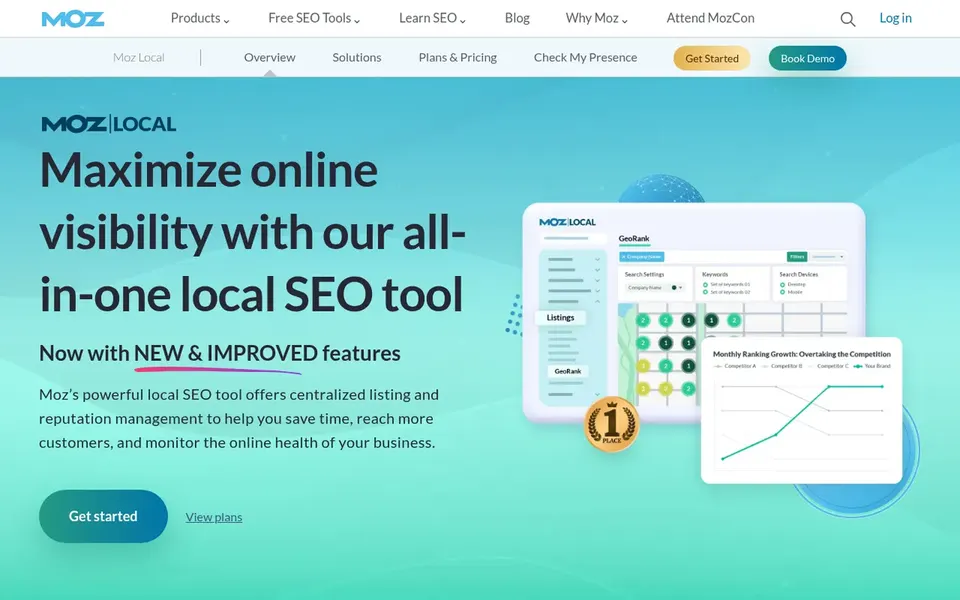
For Local SEO audits and listing health, Moz Local is a natural candidate. Moz Local is described as an all-in-one local SEO tool for managing listings, auditing performance and boosting traffic.
It emphasizes monitoring listing health and increasing visibility, which makes it a fit for local firms and agencies that want a focused view of how location data performs across directories and search. This comparison lists no price for Moz Local; ask the vendor. Free access: Not stated.
The main drawbacks: Reputation features are restricted.
Best for: AI-assisted reputation and demand conversion
Birdeye was built for AI-assisted reputation and demand conversion. If your primary gap is directory accuracy, a listings-first tool may be more straightforward.
Trade-offs to know: Reputation-led instead of listings-led.
The breadth of the system can be more than a small team needs, and its emphasis sits on reputation and conversion instead of pure listing distribution. No starting price is listed for Birdeye here; confirm pricing on the vendor site. Trial and free access: Not stated.
Best for: Listing upkeep inside a wider SEO toolkit
Where Semrush Listing Management fits: Listing upkeep inside a wider SEO toolkit. Semrush Listing Management is positioned around visibility where it matters most, letting teams maintain business listing data as part of a broader search marketing workflow.
Also, because the homepage provides restricted detail, evaluate the exact listing coverage and sync behavior straight with the vendor. Teams needing deep multi-location reputation or review workflows may prefer a dedicated system. No starting price is listed for Semrush Listing Management here; confirm pricing on the vendor site. Semrush Listing Management has a free plan.
What to check first: Detail relies on the vendor page.
Best for: Enterprise data distribution across AI and search
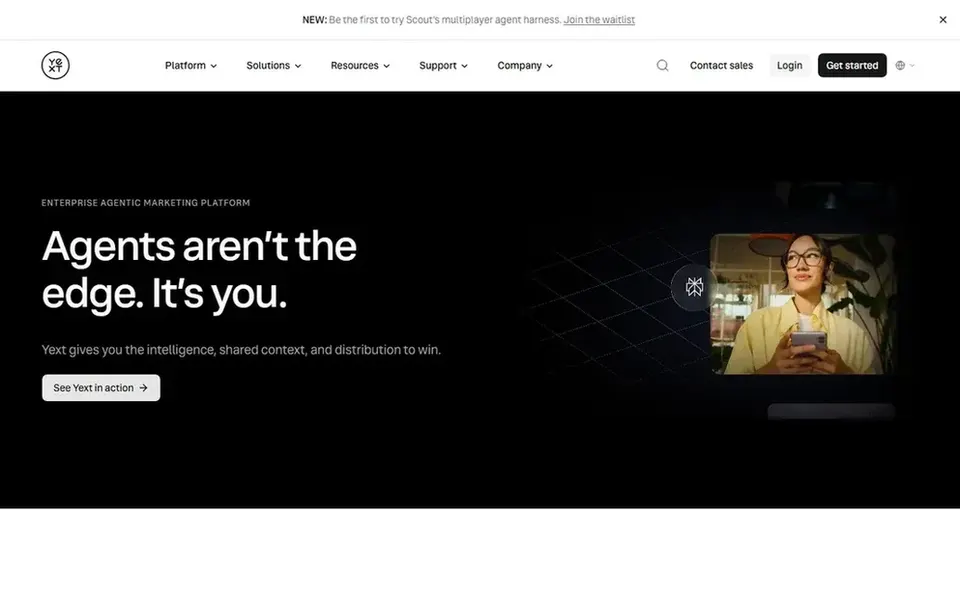
Yext is aimed squarely at enterprise data distribution across AI and search. The enterprise framing means smaller firms may find the product broader than they need. If your priority is straightforward listing cleanup rather than broad distribution, a lighter local SEO tool can be a better match.
Watch-outs: May be heavy for small companies.
Beyond that, teams with complicated, multi-market footprints are the natural audience. For everyday use, Yext presents itself as an enterprise agentic marketing system built around intelligence, verified data and distribution to win discovery moments across AI and search. Beyond that, confirm the specific surfaces covered on the vendor site before committing. No starting price is listed for Yext here; confirm pricing on the vendor site. Free access: Not stated.
Confirm the entry price on the vendor page. For Chatmeter, Moz Local, Birdeye and others that means a quote rather than a fixed price.
Test the free plan from Semrush Listing Management against your real workload before relying on it.
Run a trial of Synup with real work before paying for a year; your own workflow is the best test.
Read the limits listed for Chatmeter first: less centered on listing distribution.
Total up the real monthly cost of Moz Local, including add-ons, extra users and usage-based fees.
Before you load data into Chatmeter, check what an export looks like and who can run it.
How we picked
We compared the tools on published pricing, free plan or trial availability, feature coverage for geo business visibility platform, and the limits each vendor documents. Where a vendor does not publish a price, the entry says quote. Where a price depends on seats or billing term, the entry says so. The ranking is editorial: typical fit first, then clear pricing, then free access. If your needs are unusual, read the profiles rather than relying on position.
Every price and plan detail on this page comes from the vendors’ own websites. We did not run hands-on tests unless the text says so, and we do not publish star ratings or review scores. See how we score and our disclosure.
Keep your shortlist in one place
Paste prices, trial dates and notes from this guide into Ainotely, our AI note app. It files them into a topic and pulls out tasks like “cancel trial by Friday”. Free 7-day trial, no card needed.
What does a geo business visibility system actually do?
These products keep business location data consistent and distribute it to search, maps, directories and increasingly AI answer surfaces. The right fit relies on whether your priority is listings, reputation or wide distribution.
Which options for geo business visibility platform have a free plan?
Semrush Listing Management is the only tool in this list with a free plan. Free plans usually cap users, projects or features, so check the limits on the vendor page. One other tool offers a trial instead. All 6 picks in this geo business visibility platform comparison show their pricing, free plan details and main limits on the cards above.
Why does AI search visibility matter for local firms?
AI assistants increasingly summarize business information when people ask for local recommendations, so accurate, well-distributed data shapes what those answers say. Multiple platforms here now track or target AI search descriptions. Confirm how each vendor manages this on their site.
Can I try these tools before paying?
Often, yes. Semrush Listing Management has a free plan and Synup offers a free trial. Use your own data and a real task during the test, and check what the free tier or trial limits before you rely on it.
Is Chatmeter the right pick for everyone comparing geo business visibility platform?
No single tool suits every team. Chatmeter comes first because it fits AI-powered reputation and brand intelligence, while Synup suits Listing audits and AI search tracking and Moz Local suits Local SEO audits and listing health. Match the tool to your own size, budget and workflow before deciding.
Do these tools publish their prices?
Not all of them. Chatmeter, Moz Local, Birdeye and others publish no starting price, so expect a quote request for those. The rest, Synup included, show a starting price, though seats and billing terms still change the final cost.