Salesforce leads the list, best for large-scale CRM-centric GTM operations. ZoomInfo is better for B2B data with sales and marketing AI, and Salesloft is better for signal-driven predictive revenue workflows. All 5 tools are compared below on price, free plan and limits.
This Ainotely guide covers 5 options for GTM automation platforms for B2B. Each profile lists a starting price, free plan details, strengths and drawbacks, so you can drop poor fits quickly.
Key takeaways
The list opens with Salesforce, aimed at large-scale CRM-centric GTM operations.
Salesforce stands alone as the one tool in this list with a free plan.
A fair warning about Salesforce: configuration can be involved.
Salesforce, HubSpot and the 3 others all sell by quote; expect sales conversations before you see a price.
HubSpot suits connected CRM, marketing and sales automation.
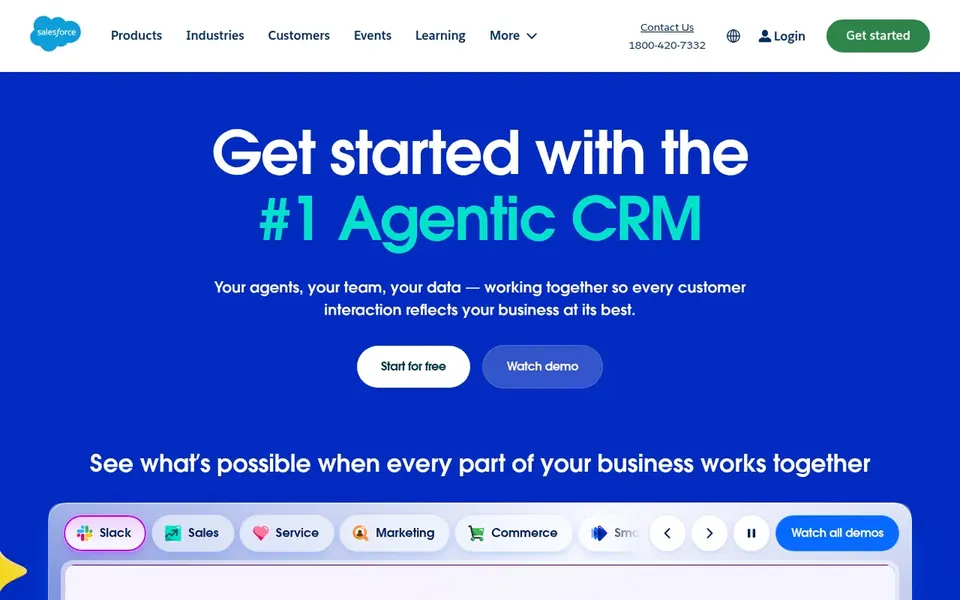
For large-scale CRM-centric GTM operations, Salesforce is a natural candidate. Salesforce describes itself as an AI CRM that helps firms link with customers by uniting the data, apps and agents that run the business. Teams wanting simpler out-of-the-box automation may prefer a more contained suite.
On top of that, pick Salesforce when scale, customization and a central CRM foundation are priorities over simplicity. The system's breadth can mean more setup and continuing administration than lighter tools, which may not suit small teams without dedicated operations support. Salesforce shows no starting price here, so confirm the cost on the vendor site. Salesforce offers a free plan.
Where it falls short: Configuration can be involved.
ZoomInfo serves B2B data with sales and marketing AI. ZoomInfo presents itself as a GTM product combining marketing and sales AI with B2B data for lead generation, prospecting, market intelligence and ABM.
For everyday use, results depend heavily on data governance and how well contact records match target segments, so periodic review is wise. Teams running account-based programs frequently depend on its data layer to feed prospecting and marketing motions. No starting price is listed for ZoomInfo here; confirm pricing on the vendor site. Free access: Free trial.
The main drawbacks: Data-dependent workflows need governance.
Best for: Signal-driven predictive revenue workflows
Salesloft was built for signal-driven predictive revenue workflows. Salesloft markets itself as a predictive revenue system that turns buyer signals into action for revenue teams.
Consider it when signal-based automation and revenue predictability are central goals. This comparison lists no price for Salesloft; ask the vendor. Free access: Not stated.
Apollo.io is a good fit for data, intelligence and execution in one. Apollo.io describes itself as an AI GTM system rebuilt as one connected product for data, intelligence and execution across the go-to-market motion.
Trade-offs to know: Data accuracy needs periodic checks.
Worth adding: pick Apollo when an integrated data-plus-execution workflow matters more than specialized depth in adjacent categories. Apollo.io does not show a starting price in this comparison, so check the vendor site for current pricing. Trial and free access: Free trial.
Best for: Connected CRM, marketing and sales automation
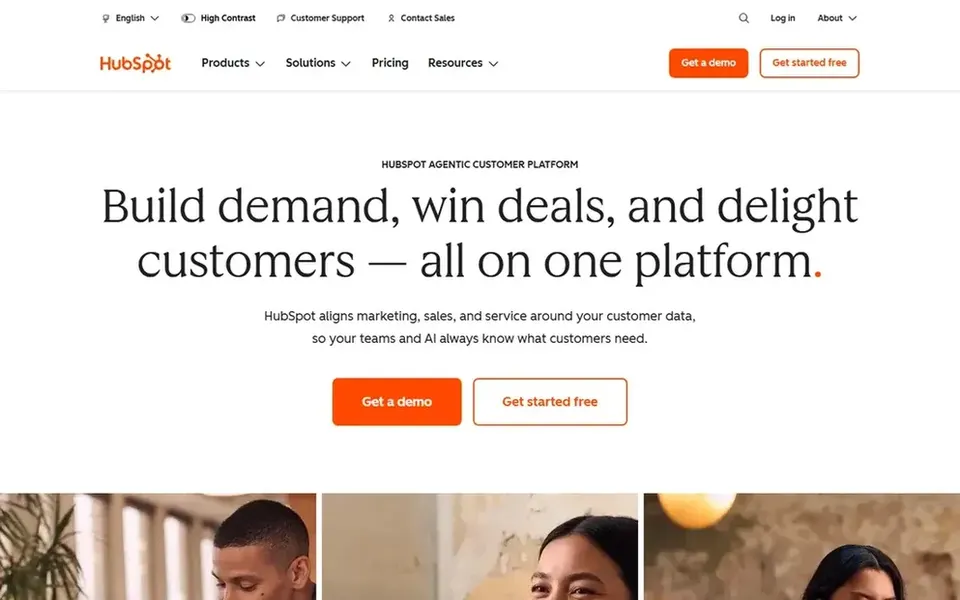
HubSpot was built for connected CRM, marketing and sales automation. It tends to fit organizations that prefer consolidating tools instead of stitching together separate systems for each stage of the go-to-market motion.
For everyday use, organizations with entrenched sales engagement stacks may prefer adding a focused system instead. Check the vendor site for HubSpot pricing; none is listed in this comparison. On free options: Not stated.
Trade-offs to know: May feel wide for narrow use cases.
Ask each vendor, from Salesforce to HubSpot, for a written quote; none of them publishes a starting price.
Look at the free plan from Salesforce closely: its caps decide whether it is usable for real work.
Run a trial of ZoomInfo and Apollo.io with real work before paying for a year; your own workflow is the best test.
Read the limits listed for Salesforce first: configuration can be involved.
Total up the real monthly cost of ZoomInfo, including add-ons, extra users and usage-based fees.
Test the integrations you rely on with Apollo.io before committing; some connectors sit on upper tiers.
How we picked
Selection started from tools commonly considered for GTM automation platforms for B2B, then narrowed to 5 that have clear pricing information or a clear quote process. Figures are shown as the vendors publish them. Billing terms, seat minimums and add-ons can change the real cost. The order reflects how well each tool fits the most common buying scenario for GTM automation platforms for B2B, then price clarity, then free plan access. It is a starting point, not a verdict.
Every price and plan detail on this page comes from the vendors’ own websites. We did not run hands-on tests unless the text says so, and we do not publish star ratings or review scores. See how we score and our disclosure.
Keep your shortlist in one place
Paste prices, trial dates and notes from this guide into Ainotely, our AI note app. It files them into a topic and pulls out tasks like “cancel trial by Friday”. Free 7-day trial, no card needed.
Is Salesforce the right pick for everyone comparing GTM automation platforms for B2B?
No single tool suits every team. Salesforce comes first because it fits large-scale CRM-centric GTM operations, while ZoomInfo suits B2B data with sales and marketing AI and Salesloft suits signal-driven predictive revenue workflows. Match the tool to your own size, budget and workflow before deciding.
Which options for GTM automation platforms for B2B have a free plan?
Salesforce is the only tool in this list with a free plan. Free plans usually cap users, projects or features, so check the limits on the vendor page. Several others offer a trial instead. For the full picture, the cards above cover all 5 entries of this GTM automation platforms for B2B list, including price, free plan and limits.
How are the tools for GTM automation platforms for B2B ordered?
The order follows typical fit for GTM automation platforms for B2B, with Salesforce first and HubSpot last, then price clarity and free access. It is editorial judgement, not a score, so another team could rank the tools differently.
Do these tools publish their prices?
No. None of the tools, from Salesforce to HubSpot, shows a fixed starting price here, so budget time for quotes.
What is GTM automation in B2B?
It generally spans CRM, sales engagement, data and marketing systems working together. The right combination relies on where your revenue process needs the most support.
How important is B2B data quality for automation?
Data quality straight affects prospecting and personalization, so products built around data for example ZoomInfo and Apollo.io warrant careful evaluation of coverage. Even capable automation underperforms with stale contact records.