InterSystems IRIS for Health leads the list, best for building healthtech data systems. Listed starting prices: Qvera Interface Engine from $9,980 a year. Alternatives: Oracle Health Integration for Oracle Health clinical environments, and Rhapsody Integration Engine for wide HL7, FHIR and API interoperability. The full list of 5 tools follows, with prices and free plan facts.
Short on time? The summary and table above give the quick view of 5 tools for healthcare integration engines software, and the profiles that follow give the detail behind each entry.
Key takeaways
InterSystems IRIS for Health is the opening pick, best for building healthtech data products.
InterSystems IRIS for Health, Qvera Interface Engine and the 3 others all need a premium plan or a trial, since no free plan is listed.
For adaptable deployment across healthcare standards, Qvera Interface Engine is worth a look.
One limit worth knowing about Oracle Health Integration: most useful for Oracle Health users.
Expect to ask for a quote from InterSystems IRIS for Health, Oracle Health Integration, Rhapsody Integration Engine and Redox; the other tools show a starting price.
InterSystems IRIS for Health was built for building healthtech data products. InterSystems IRIS for Health is a cloud data management system that lets healthcare organizations build and deploy high-performance healthtech options.
Watch-outs: May exceed small-project needs.
Its product breadth can be more than a straightforward interface project needs, and adopting it well takes planning. Organizations that only have to route HL7 messages may prefer a lighter, purpose-built engine, whereas platform-level needs favor this choice. InterSystems IRIS for Health does not show a starting price in this comparison, so check the vendor site for current pricing. Free plan details: Not stated.
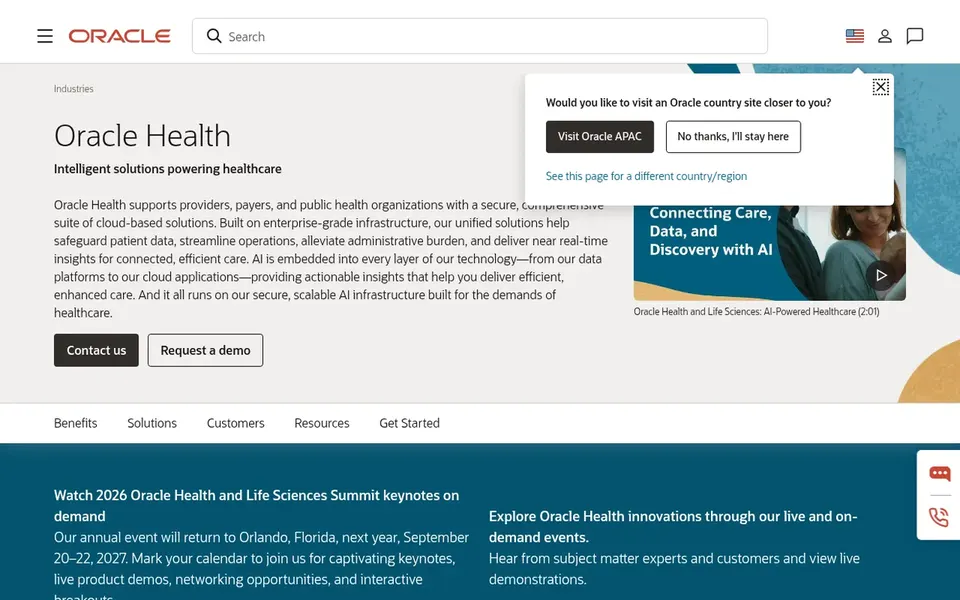
Think of Oracle Health Integration for Oracle Health clinical environments. Oracle Health Integration sits within Oracle's healthcare portfolio, which emphasizes secure, steady options for data insights and people-centric experiences.
Watch-outs: A good match for Oracle Health users.
Like other vendor-native choices, it is most valuable inside its own ecosystem and less relevant for mixed or non-Oracle environments. For everyday use, confirm the specific interface capabilities and supported standards for your deployment before committing, since offerings can differ by product and region. This comparison lists no price for Oracle Health Integration; ask the vendor. Free plan details: Not stated.
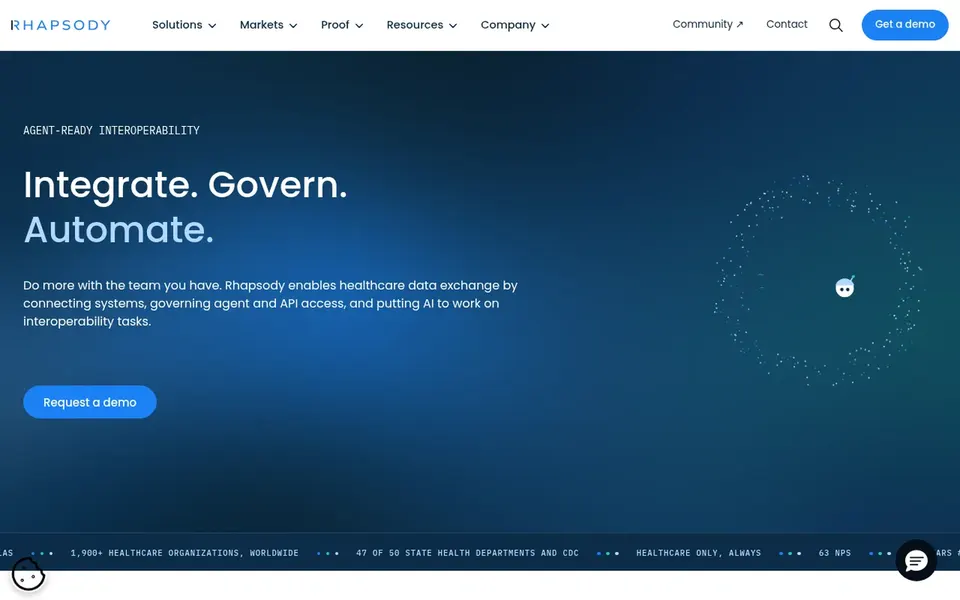
Pick Rhapsody Integration Engine if this describes you: wide HL7, FHIR and API interoperability. Teams already standardized on one clinical vendor may prefer that vendor's native integration layer rather than a separate engine.
It suits hospitals, health systems and health IT teams that require a general-purpose interoperability layer spanning plenty of message formats and endpoints instead of a single-vendor connection. No starting price is listed for Rhapsody Integration Engine here; confirm pricing on the vendor site. Free access: Not stated.
Redox makes the most sense for connect-once data exchange model. Redox concentrates on helping healthcare organizations link once and exchange data anywhere, positioning itself around reducing the effort of plenty of point-to-point integrations.
Points against: Less control over internals.
It suits digital health products and providers that want a simplified path to exchanging data with several partners instead of building each connection separately. Check the vendor site for Redox pricing; none is listed in this comparison. Redox does not include a free plan.
Best for: Adaptable deployment across healthcare standards
Think of Qvera Interface Engine for adaptable deployment across healthcare standards. Qvera is a healthcare integration engine handling HL7, FHIR, DICOM and X12, with deployment on-premises, in containers or in your own cloud.
Organizations that prefer a completely managed connection service may weigh a hosted model instead, based on internal capacity. Running your own deployment means your team carries more operational responsibility, so staffing and monitoring matter. Entry price for Qvera Interface Engine: $9,980 per year. Free plan details: Free trial.
Confirm the entry price on the vendor page. For InterSystems IRIS for Health, Oracle Health Integration, Rhapsody Integration Engine and Redox that means a quote rather than a fixed price.
Take the trial from Qvera Interface Engine and push a live task through it before you pay.
Before choosing InterSystems IRIS for Health, weigh its main limit: product breadth brings complexity.
Check the integration list for Oracle Health Integration against the tools you run today, and note which ones need a higher plan.
See whether Rhapsody Integration Engine offers onboarding or training, and whether it is included in the price.
How we picked
We compared the tools on published pricing, free plan or trial availability, feature coverage for healthcare integration engines software, and the limits each vendor documents. Seat minimums, billing terms and add-ons can move the real cost, so the starting prices here are a guide and not a quote. We ordered the tools by general fit, then by how clearly pricing is shown, then by free access. A buyer with unusual needs may reorder them.
Every price and plan detail on this page comes from the vendors’ own websites. We did not run hands-on tests unless the text says so, and we do not publish star ratings or review scores. See how we score and our disclosure.
Keep your shortlist in one place
Paste prices, trial dates and notes from this guide into Ainotely, our AI note app. It files them into a topic and pulls out tasks like “cancel trial by Friday”. Free 7-day trial, no card needed.
What should I check before buying an integration engine?
Also verify how the engine suits your existing clinical systems and whether your team has the skills to configure and maintain it.
Is InterSystems IRIS for Health the right pick for everyone comparing healthcare integration engines software?
No single tool suits every team. InterSystems IRIS for Health comes first because it fits building healthtech data platforms, while Oracle Health Integration suits Oracle Health clinical environments and Rhapsody Integration Engine suits broad HL7, FHIR and API interoperability. Match the tool to your own size, budget and workflow before deciding.
Does any tool for healthcare integration engines software here have a free plan?
A permanent free plan is not offered by InterSystems IRIS for Health, Qvera Interface Engine or the other tools here. Qvera Interface Engine offer a trial. Plan a short evaluation period instead.
Do these tools publish their prices?
Not all of them. InterSystems IRIS for Health, Oracle Health Integration, Rhapsody Integration Engine and Redox publish no starting price, so expect a quote request for those. The rest, Qvera Interface Engine included, show a starting price, though seats and billing terms still change the final cost.
Can I try these options before paying?
Often, yes. Qvera Interface Engine offers a free trial. Use your own data and a real task during the test, and check what the free tier or trial limits before you rely on it.