Salesforce leads the list, best for scaling CRM with AI features. Listed starting prices: Mailchimp from $13 a month. Mailchimp is the stronger choice for straightforward email and SMS campaigns, while ZoomInfo suits B2B data and account-based prospecting. The other 2 tools in the list cover narrower or pricier cases.
Ainotely compared 5 lead generation software for startups. The goal is a practical shortlist: published prices, free plan facts, best-fit use cases and honest limits for every entry.
Key takeaways
The list opens with Salesforce, aimed at scaling CRM with AI features.
Salesforce comes with a trade-off: setup and admin effort is high.
Salesforce, Mailchimp: these are the 2 tools out of 5 that offer a free plan.
Apollo.io is the one to check for prospect data with outreach in one place.
Salesforce is a good fit for scaling CRM with AI features. Salesforce describes itself as an AI CRM that unites data, apps and agents. Startups with ambitions to scale use it to handle leads, opportunities and customer records in a configurable system.
Salesforce rewards investment in configuration and administration, which can be heavy for a small team without dedicated ops help. Choose Salesforce when process complexity and long-term adaptability outweigh setup effort. Pricing for Salesforce is not stated here, so ask the vendor for current figures. You can start on Salesforce without paying.
Mailchimp is aimed squarely at straightforward email and SMS campaigns. Mailchimp is most solid for communication instead of full lead generation or sales pipeline work.
Points against: Automation less advanced than some rivals.
Startups often pick it for newsletters, welcome sequences and straightforward campaigns since it is approachable for small teams. Mailchimp is an email and SMS marketing system that uses live behavior data and AI to help convert customers. On cost, Mailchimp starts like this: $13 per month. Mailchimp includes a free tier.
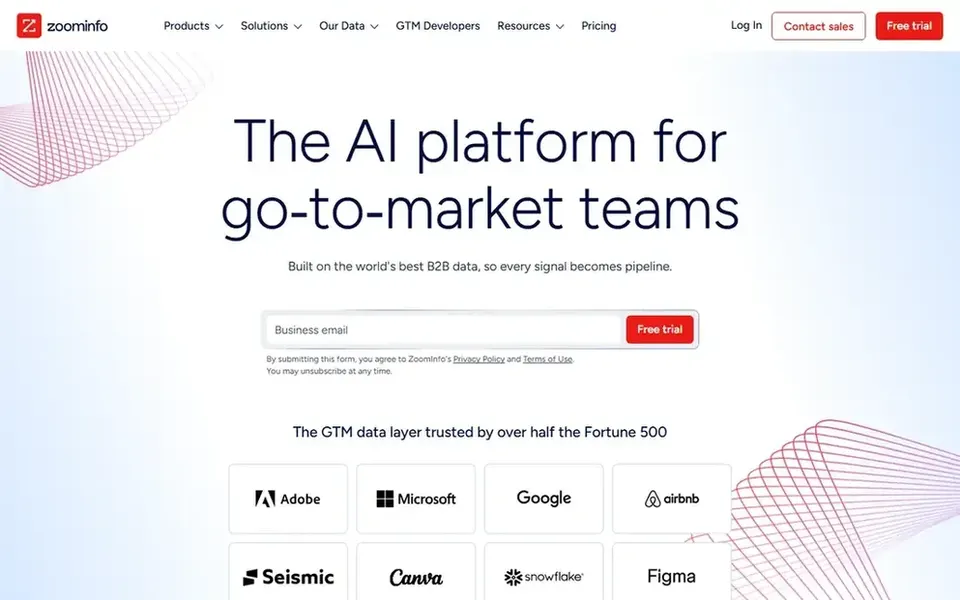
ZoomInfo is aimed squarely at B2B data and account-based prospecting. ZoomInfo positions itself as a go-to-market product combining B2B data with marketing and sales AI.
Contact details should be checked before campaigns, as with any data provider. ZoomInfo does not show a starting price in this comparison, so check the vendor site for current pricing. Free access: Free trial.
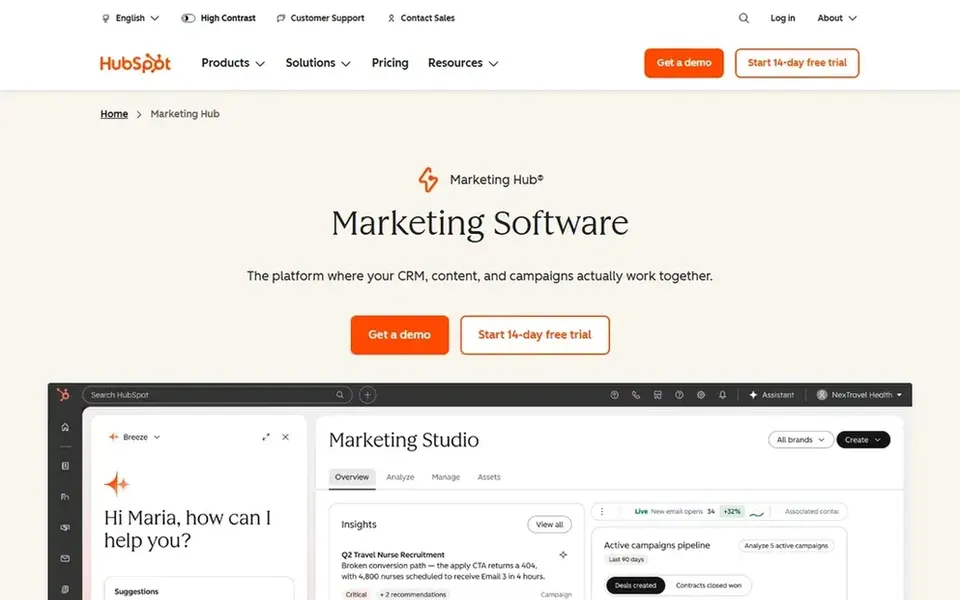
For inbound capture plus email automation, HubSpot Marketing Hub is a natural candidate. Costs rise as contact lists and features grow, which matters for early-stage budgets. Worth adding: HubSpot Marketing Hub is a marketing system built to grow and convert demand.
It handles lead capture through forms and landing pages, then nurtures contacts with email and automation. The product is wide, so setup takes planning and smaller teams may only use part of it. HubSpot Marketing Hub does not show a starting price in this comparison, so check the vendor site for current pricing. Trial and free access: Not stated.
Best for: Prospect data with outreach in one place
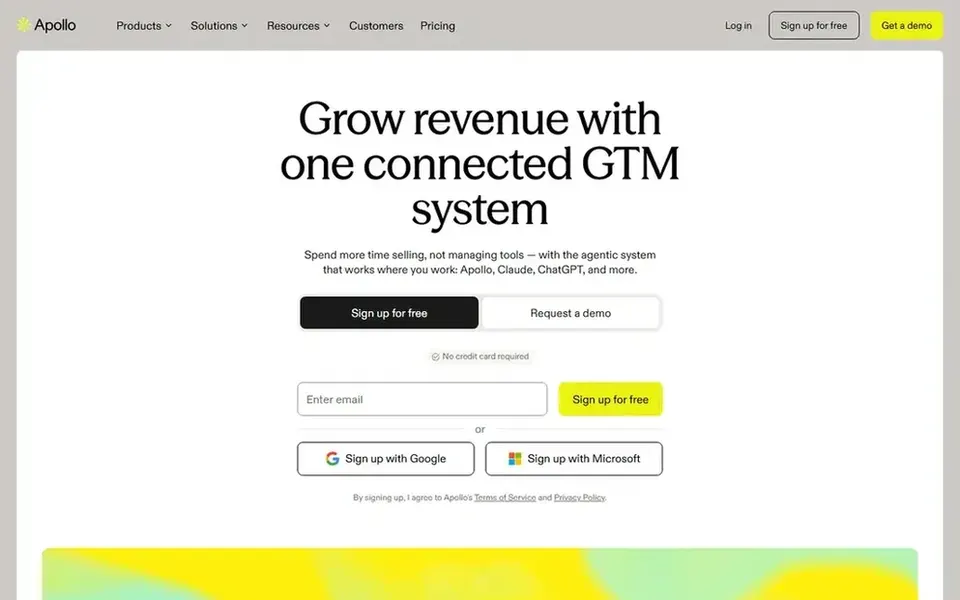
Apollo.io works best for prospect data with outreach in one place. In practice, startups use it to find prospects, enrich contact records and run outreach from a single product.
In practice, if your growth comes chiefly from inbound content, a marketing suite like HubSpot may be the better anchor. Apollo.io does not show a starting price in this comparison, so check the vendor site for current pricing. Free options: Free trial.
Limits to weigh: Feature set can feel dense at first.
Get a written quote from Salesforce, ZoomInfo, HubSpot Marketing Hub and Apollo.io; the list shows no starting price for them.
Check what the free option really includes: Salesforce and Mailchimp offer a free plan, and usage caps differ.
Take the trial from ZoomInfo and Apollo.io and push a live task through it before you pay.
Read the limits listed for Salesforce first: setup and admin effort is high.
Price Apollo.io for your actual team size; headline prices rarely include add-ons or overage.
Confirm that HubSpot Marketing Hub connects to the apps your team already uses, on the plan you would actually buy.
How we picked
We compared the tools on published pricing, free plan or trial availability, feature coverage for lead generation software for startups, and the limits each vendor documents. Treat prices as a snapshot: vendors change plans often, so check the vendor site for the figure that applies today. Tools are placed by general fit for lead generation software for startups, with price clarity and free access as tie-breakers. A different team can reasonably rank them differently.
Every price and plan detail on this page comes from the vendors’ own websites. We did not run hands-on tests unless the text says so, and we do not publish star ratings or review scores. See how we score and our disclosure.
Keep your shortlist in one place
Paste prices, trial dates and notes from this guide into Ainotely, our AI note app. It files them into a topic and pulls out tasks like “cancel trial by Friday”. Free 7-day trial, no card needed.
Both focus on B2B prospecting data, but Apollo.io bundles data with outreach execution, which fits small outbound teams. Compare data coverage for your market before deciding.
How are the tools for lead generation software for startups ordered?
The order follows typical fit for lead generation software for startups, with Salesforce first and Apollo.io last, then price clarity and free access. It is editorial judgement, not a score, so another team could rank the tools differently.
Can I try these tools before paying?
Often, yes. Salesforce and Mailchimp have a free plan and ZoomInfo and Apollo.io offer a free trial. Use your own data and a real task during the test, and check what the free tier or trial limits before you rely on it.
Which options for lead generation software for startups have a free plan?
On this list, Salesforce and Mailchimp include a free plan. Caps on seats, usage or features are common, so test the free plan against your real workload. Several others offer a trial instead.
What should a startup look for in lead generation software?
Start with your main lead source. Inbound teams benefit from forms, landing pages and email automation, whereas outbound teams need prospect data and outreach tools.
Is Salesforce the right pick for everyone comparing lead generation software for startups?
No single tool suits every team. Salesforce comes first because it fits scaling CRM with AI features, while Mailchimp suits simple email and SMS campaigns and ZoomInfo suits B2B data and account-based prospecting. Match the tool to your own size, budget and workflow before deciding.