Start with Thermo Fisher Scientific SampleManager LIMS if you need laboratory information management. Benchling is the stronger choice for biology-first R&D data and collaboration, while IQVIA suits analytics-driven research and market insight. The other 2 tools in the list cover narrower or pricier cases.
Choosing life sciences technology platforms usually comes down to price, fit and limits. This Ainotely guide sets 5 tools side by side on those three points, with the facts kept short and checkable.
Key takeaways
The list opens with Thermo Fisher Scientific SampleManager LIMS, aimed at laboratory information management.
A permanent free plan is missing from all 5 tools, Thermo Fisher Scientific SampleManager LIMS and Medidata Rave included; plan for a trial or a premium start.
No starting price is shown for any of the 5 tools, Thermo Fisher Scientific SampleManager LIMS and Medidata Rave included, so plan time for sales calls.
One limit worth knowing about Benchling: concentrated on biology instead of wide enterprise operations.
Thermo Fisher Scientific SampleManager LIMS targets laboratory information management. Organizations needing wide research collaboration may combine it with a system like Benchling.
From a buyer's view, Select SampleManager LIMS when disciplined sample tracking and lab workflow management are the core need. No starting price is listed for Thermo Fisher Scientific SampleManager LIMS here; confirm pricing on the vendor site. Free plan details: Not stated.
Best for: Biology-first R&D data and collaboration
Benchling was built for biology-first R&D data and collaboration. Benchling is a cloud-based system for biotechnology research and development, described as the only biology-first system for scientific data, collaboration, and insights. Its strength in biology-first research means it is not geared toward regulated commercial content or enterprise quality workflows.
Where it falls short: Less suited to regulated commercial content.
Beyond that, pick Benchling when scientific data capture and collaboration across R&D programs are the primary requirement. Teams needing wide clinical or manufacturing coverage may pair it with other systems. This comparison lists no price for Benchling; ask the vendor. Free plan details: Not stated.
Best for: Analytics-driven research and market insight
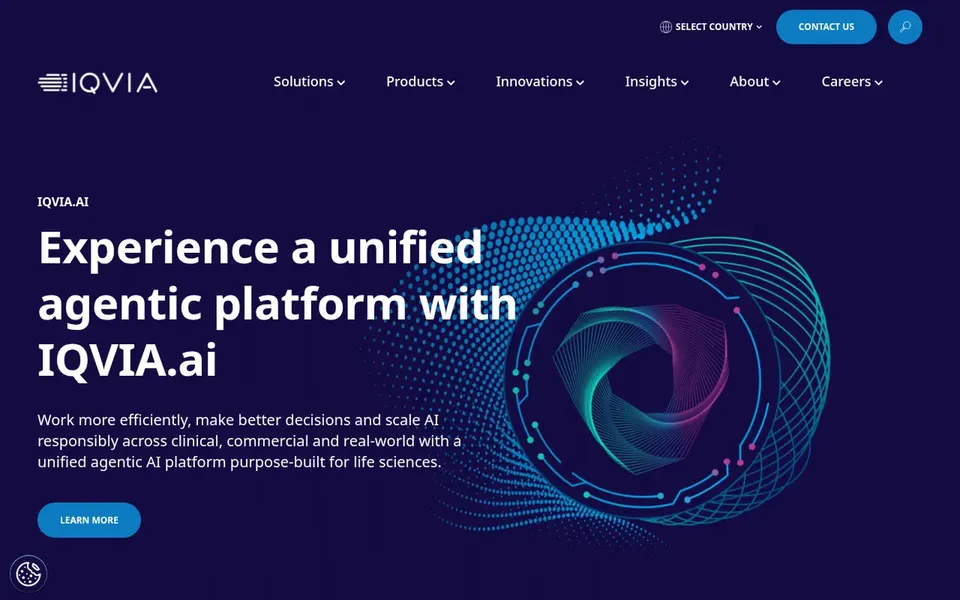
IQVIA works best for analytics-driven research and market insight. It suits teams that require data-rich insight alongside technology services, especially where real-world evidence and analytics inform decisions across the product lifecycle.
The main drawbacks: Not a single-purpose lab system.
It is not positioned as a practical laboratory notebook or sample management tool. No starting price is listed for IQVIA here; confirm pricing on the vendor site. Trial and free access: Not stated.
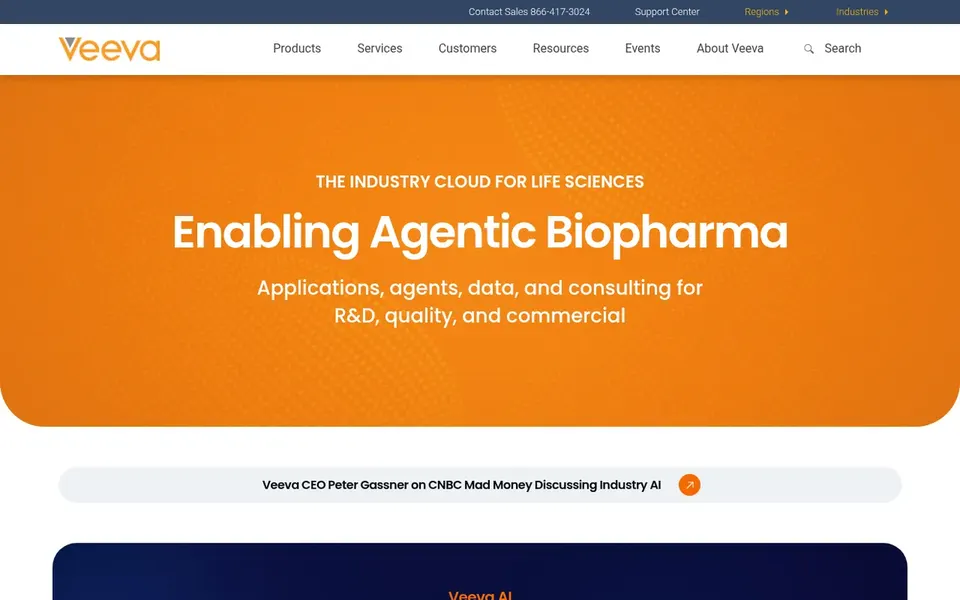
Where Veeva Vault fits: regulated content and quality workflows. Veeva Vault sits within the Veeva industry cloud for life sciences, which merges applications, agents, data, and consulting.
In daily use, organizations whose primary need is bench-level biology data capture or laboratory sample tracking may find a more specialized tool simpler to adopt. Since the product spans numerous application areas, implementation scope and configuration effort can grow rapidly. No starting price is listed for Veeva Vault here; confirm pricing on the vendor site. As for free access: Not stated.
The main drawbacks: Wide scope can need careful scoping.
Best for: Unified clinical trial data and insights
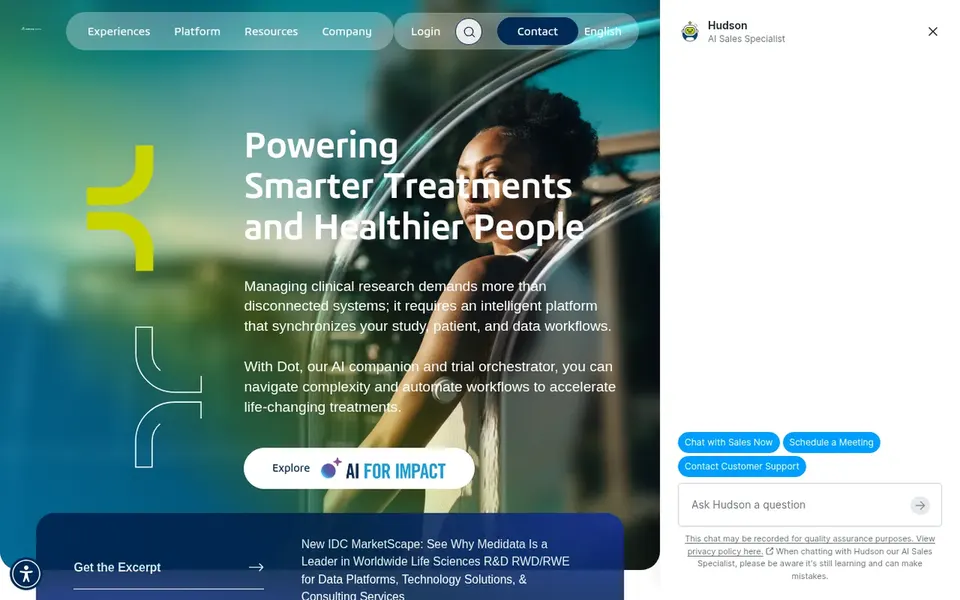
Medidata Rave is aimed squarely at unified clinical trial data and insights. Teams prioritizing quicker, more connected study execution usually evaluate it alongside other clinical-focused systems.
Watch-outs: Centered on clinical research instead of lab operations.
In practice, the product is oriented toward clinical trials. So it is not a general-purpose replacement for laboratory information systems or discovery data tools. Medidata Rave shows no starting price here, so confirm the cost on the vendor site. Free access: Not stated.
Confirm the entry price with every vendor: no tool from Thermo Fisher Scientific SampleManager LIMS to Medidata Rave shows a fixed starting price.
Read the limits listed for Thermo Fisher Scientific SampleManager LIMS first: narrower than enterprise clinical products.
Before rolling out Thermo Fisher Scientific SampleManager LIMS, verify the integrations your workflow depends on.
Involve the people who will use Medidata Rave daily; a short pilot beats a long feature checklist.
Check whether Benchling bills monthly or annually, and what cancelling early costs.
How we picked
Ainotely looked at what each vendor publishes: pricing, plan limits, feature coverage for life sciences technology platforms and stated drawbacks. No hands-on testing is claimed. Figures are shown as the vendors publish them. Billing terms, seat minimums and add-ons can change the real cost. The sequence is a judgement call: typical use case first, then pricing transparency, then free access. Use the profiles to check fit.
Every price and plan detail on this page comes from the vendors’ own websites. We did not run hands-on tests unless the text says so, and we do not publish star ratings or review scores. See how we score and our disclosure.
Keep your shortlist in one place
Paste prices, trial dates and notes from this guide into Ainotely, our AI note app. It files them into a topic and pulls out tasks like “cancel trial by Friday”. Free 7-day trial, no card needed.
How should I evaluate regulated content management?
Veeva Vault is built around the life sciences industry cloud, including applications, data, and consulting for regulated work. Ask vendors straight about validation support and audit readiness.
Can I try these options before paying?
Not by default. None of the tools, from Thermo Fisher Scientific SampleManager LIMS to Medidata Rave, lists a free plan or a free trial here, so ask each vendor for a demo before committing.
How are the tools for life sciences technology platforms ordered?
The order follows typical fit for life sciences technology platforms, with Thermo Fisher Scientific SampleManager LIMS first and Medidata Rave last, then price clarity and free access. It is editorial judgement, not a score, so another team could rank the tools differently.
Do these tools publish their prices?
No. None of the tools, from Thermo Fisher Scientific SampleManager LIMS to Medidata Rave, shows a fixed starting price here, so budget time for quotes.
Is Thermo Fisher Scientific SampleManager LIMS the right pick for everyone comparing life sciences technology platforms?
No single tool suits every team. Thermo Fisher Scientific SampleManager LIMS comes first because it fits laboratory information management, while Benchling suits biology-first R&D data and collaboration and IQVIA suits analytics-driven research and market insight. Match the tool to your own size, budget and workflow before deciding.