This list puts SAP S/4HANA first for ERP-led integration with built-in AI. Oracle Fusion Cloud ERP is the stronger choice for agile cloud ERP as integration hub, while PTC Windchill suits out-of-the-box enterprise PLM rollout. The full list of 5 tools follows, with prices and free plan facts.
If you are comparing PLM ERP integration software, this page covers 5 tools in one place: what each is best for, what it costs to start, whether it has a free plan, and the main limit to know about.
Key takeaways
SAP S/4HANA sits first on this list: ERP-led integration with built-in AI.
A fair warning about PTC Windchill: enterprise scope can feel heavy for small teams.
Siemens Teamcenter suits single source of product lifecycle data.
Neither SAP S/4HANA nor Siemens Teamcenter, nor any of the other 3 tools, has a permanent free plan; trials and quotes are the norm.
Choose SAP S/4HANA for ERP-led integration with built-in AI. S/4HANA is an ERP foundation instead of a dedicated PLM product, so lifecycle-specific capability usually comes from connected PLM systems.
Worth adding: transformation effort is significant. SAP S/4HANA does not show a starting price in this comparison, so check the vendor site for current pricing. As for free access: Not stated.
Drawbacks to consider: Migration planning is substantial.
In short, Oracle Fusion Cloud ERP is for agile cloud ERP as integration hub. Oracle Fusion Cloud ERP handles enterprise resource planning with enterprise resource management options intended to help organizations adapt business models and processes rapidly.
The main drawbacks: Suite adoption needs process review.
Organizations needing deep engineering change control should pair it deliberately. Oracle Fusion Cloud ERP shows no starting price here, so confirm the cost on the vendor site. Free access: Not stated.
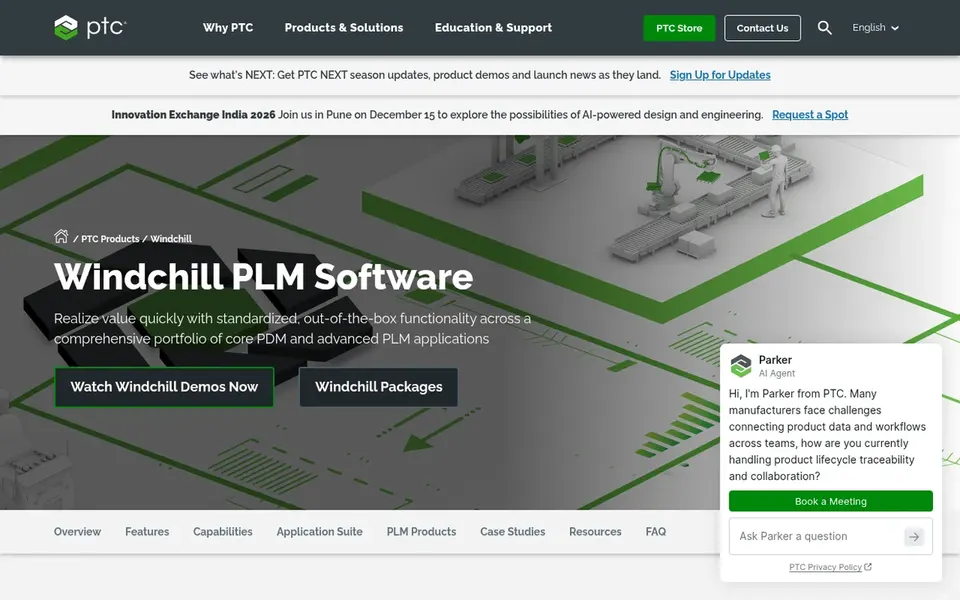
PTC Windchill is aimed squarely at out-of-the-box enterprise PLM rollout. PTC Windchill is enterprise PLM software that supplies out-of-the-box functionality intended for fast implementation, letting manufacturers collaborate, share information in live, and visualize data dynamically.
Choose another choice when ERP integration depth outweighs PLM feature breadth. Check the vendor site for PTC Windchill pricing; none is listed in this comparison. Free plan details: Not stated.
Downsides: Customization choices need early planning.
Where Dassault Systèmes ENOVIA fits: secure collaboration on 3DEXPERIENCE. Since ENOVIA is platform-centric, the integration story is most solid when the surrounding design tools come from the same vendor.
Downsides: Tied closely to the Dassault product.
Pick something else if you need a standalone PLM layer with minimal product dependency. Dassault Systèmes ENOVIA shows no starting price here, so confirm the cost on the vendor site. Free plan details: Not stated.
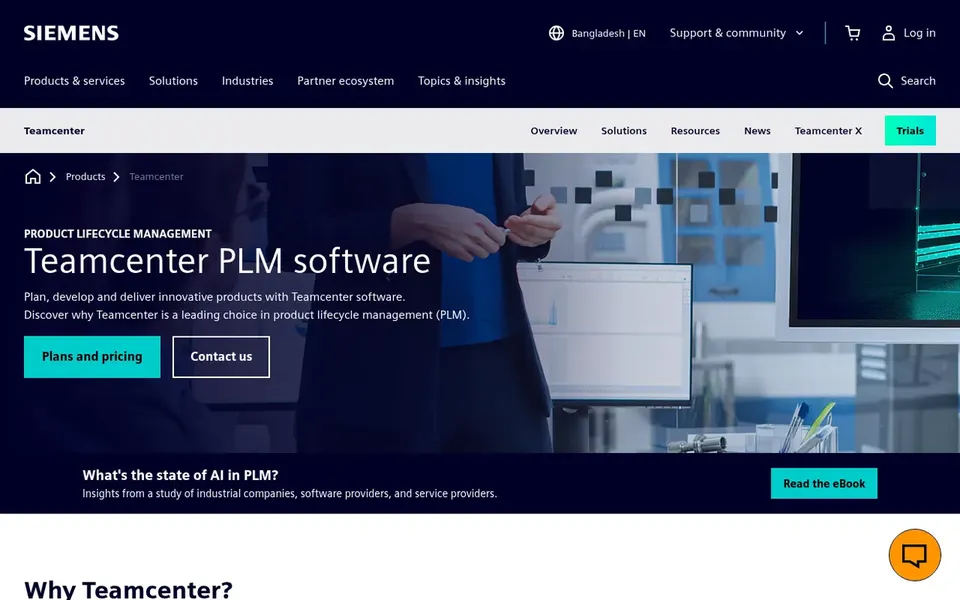
For single source of product lifecycle data, Siemens Teamcenter is a natural candidate. Teams with complicated products and numerous stakeholders are the natural audience.
In daily use, organizations that chiefly need light bill-of-material handoff may find a narrower tool sufficient. No starting price is listed for Siemens Teamcenter here; confirm pricing on the vendor site. Free options: Not stated.
What to check first: Best value inside a Siemens-oriented stack.
Confirm the entry price with every vendor: no tool from SAP S/4HANA to Siemens Teamcenter shows a fixed starting price.
Read the limits listed for SAP S/4HANA first: ERP-first, so PLM depth relies on extras.
List the apps you already depend on and check that Oracle Fusion Cloud ERP supports each one on the plan you would buy.
Map your must-have features to a specific SAP S/4HANA plan before you compare prices.
Test how quickly Siemens Teamcenter answers a pre-sales question; it hints at how support will feel later.
How we picked
We compared the tools on published pricing, free plan or trial availability, feature coverage for PLM ERP integration software, and the limits each vendor documents. Plan names, prices and limits change often. Treat the figures here as a starting point and verify them with the vendor. We ordered the tools by general fit, then by how clearly pricing is shown, then by free access. A buyer with unusual needs may reorder them.
Every price and plan detail on this page comes from the vendors’ own websites. We did not run hands-on tests unless the text says so, and we do not publish star ratings or review scores. See how we score and our disclosure.
Keep your shortlist in one place
Paste prices, trial dates and notes from this guide into Ainotely, our AI note app. It files them into a topic and pulls out tasks like “cancel trial by Friday”. Free 7-day trial, no card needed.
Is SAP S/4HANA the right pick for everyone comparing PLM ERP integration software?
No single tool suits every team. SAP S/4HANA comes first because it fits ERP-led integration with built-in AI, while Oracle Fusion Cloud ERP suits agile cloud ERP as integration hub and PTC Windchill suits out-of-the-box enterprise PLM rollout. Match the tool to your own size, budget and workflow before deciding.
Do these tools publish their prices?
No. None of the tools, from SAP S/4HANA to Siemens Teamcenter, shows a fixed starting price here, so budget time for quotes.
Does any tool for PLM ERP integration software here have a free plan?
A permanent free plan is not offered by SAP S/4HANA, Siemens Teamcenter or the other tools here. Plan a short evaluation period instead.
Should PLM or ERP be the system of record for product data?
Most organizations keep engineering definitions in PLM and release approved structures to ERP for planning and manufacturing. The right split relies on where change control happens.
What matters most when integrating PLM with ERP?
Clear ownership of product data, steady bill-of-material transfer, and controlled engineering change flow matter most. Vendor documentation should describe these paths.
How do industry-specific ERP options compare with wide suites?
Wide suites offer wider reach and commonly more solid suite-level integration. As for the details, the better choice relies on whether manufacturing depth or ecosystem breadth drives your decision.