OpenNebula is the first pick on this list for sovereign and AI-ready private clouds. Alternatives: Microsoft Azure Stack HCI for hybrid cloud with Azure management, and VMware vSphere for mature enterprise virtualization foundations. The remaining 2 options are covered below with prices and limits.
This Ainotely guide covers 5 options for private cloud software. Each profile lists a starting price, free plan details, strengths and drawbacks, so you can drop poor fits quickly.
Key takeaways
This list starts with OpenNebula, which is built for sovereign and AI-ready private clouds.
In short, OpenNebula is for sovereign and AI-ready private clouds. It appeals to public sector, research and regulated organizations that require to keep infrastructure under their own governance whereas avoiding heavy licensing dependence.
Drawbacks to consider: Advanced setups need Linux skills.
Its ecosystem and commercial support network are smaller than those of the largest vendors, so some integrations require more in-house work. This comparison lists no price for OpenNebula; ask the vendor. Free options: Not stated.
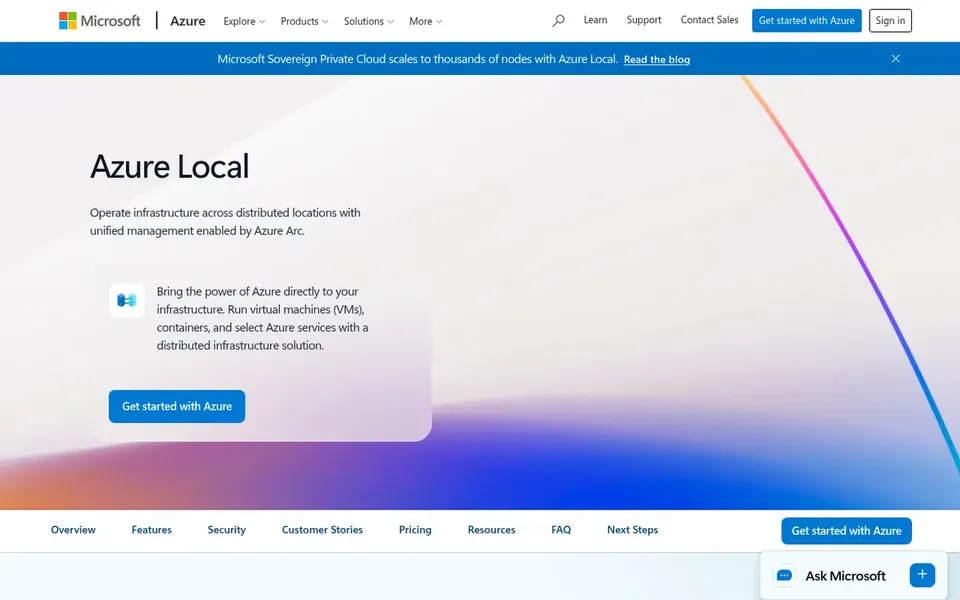
Microsoft Azure Stack HCI is designed for hybrid cloud with Azure management. Microsoft Azure Stack HCI, presented by Microsoft as Azure Local, is a hybrid cloud system for running modern and traditional applications on local infrastructure with adaptability, security and unified management.
The main drawbacks: Tied closely to Microsoft tooling.
On top of that, teams without existing Azure or Windows Server experience may prefer Nutanix or vSphere for a more neutral virtualization layer. Pricing for Microsoft Azure Stack HCI is not stated here, so ask the vendor for current figures. Free access: Not stated.
Best for: Mature enterprise virtualization foundations
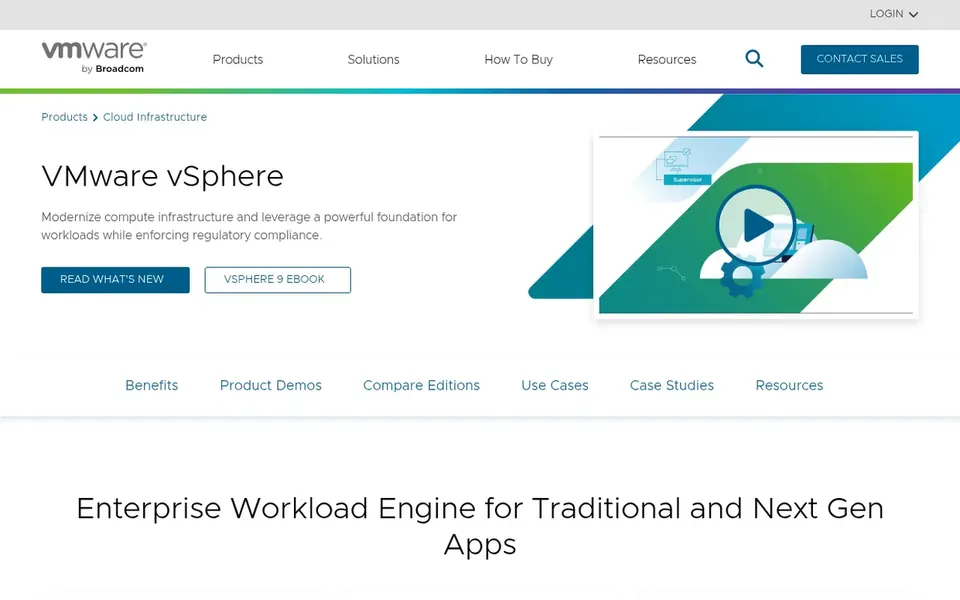
VMware vSphere makes the most sense for mature enterprise virtualization foundations. If you want open-source simplicity or a sovereign cloud stack, OpenNebula or Proxmox VE are worth comparing before committing.
It organizes servers into pools of virtual compute and is widely used as the base layer for private clouds. More specifically, smaller environments may find it heavier than needed. Pricing for VMware vSphere is not stated here, so ask the vendor for current figures. As for free access: Not stated.
Where it falls short: Licensing changes can complicate planning.
Red Hat OpenStack Platform is designed for open-source cloud built on OpenShift. Smaller teams without dedicated cloud staff may find Proxmox VE or Nutanix simpler to operate, and those wanting a lighter open-source path can look at OpenNebula.
OpenStack deployments are operationally demanding and need experienced engineers to run and upgrade. Red Hat OpenStack Platform does not show a starting price in this comparison, so check the vendor site for current pricing. On free options: Not stated.
Best for: Self-healing hybrid multicloud infrastructure
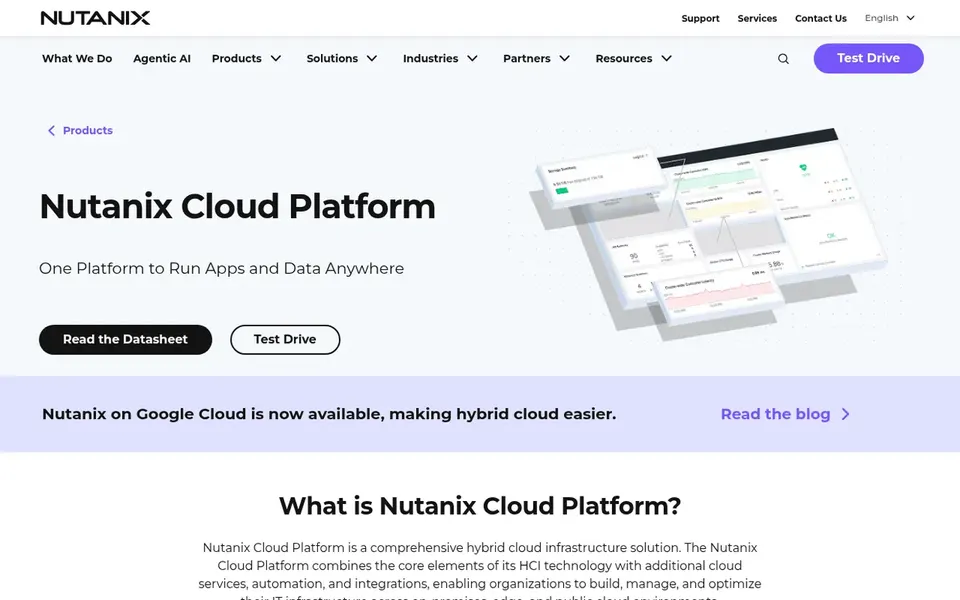
Nutanix Cloud Platform targets self-healing hybrid multicloud infrastructure. The Nutanix Cloud Platform is described by its vendor as a secure, resilient and self-healing system for building hybrid multicloud infrastructure that supports mission-critical and modern workloads. It merges compute, storage and management in an integrated stack, which appeals to teams that want to cut infrastructure silos and ease operations across locations.
As a proprietary system, it can mean vendor concentration and a ramp-up time for administrators new to its management model. Organizations prioritizing completely open-source control commonly compare OpenNebula or Proxmox VE instead, whereas Microsoft-centric shops may lean toward Azure Local. Pricing for Nutanix Cloud Platform is not stated here, so ask the vendor for current figures. Trial and free access: Not stated.
Honest limits: Wide feature set takes time to learn.
Ask each vendor, from OpenNebula to Nutanix Cloud Platform, for a written quote; none of them publishes a starting price.
Before choosing OpenNebula, weigh its main limit: smaller ecosystem than major vendors.
Ask whether Microsoft Azure Stack HCI integrates with your current software, and whether that comes standard or as an add-on.
Let daily users try OpenNebula on real work; their feedback beats any feature checklist.
Read the plan comparison for VMware vSphere carefully; key features often start on a higher tier.
How we picked
Selection started from tools commonly considered for private cloud software, then narrowed to 5 that have clear pricing information or a clear quote process. Seat minimums, billing terms and add-ons can move the real cost, so the starting prices here are a guide and not a quote. We ordered the tools by general fit, then by how clearly pricing is shown, then by free access. A buyer with unusual needs may reorder them.
Every price and plan detail on this page comes from the vendors’ own websites. We did not run hands-on tests unless the text says so, and we do not publish star ratings or review scores. See how we score and our disclosure.
Keep your shortlist in one place
Paste prices, trial dates and notes from this guide into Ainotely, our AI note app. It files them into a topic and pulls out tasks like “cancel trial by Friday”. Free 7-day trial, no card needed.
Does any tool for private cloud software here have a free plan?
No tool in this list, OpenNebula and Nutanix Cloud Platform included, has a permanent free plan. Trials and quotes are the usual route, so plan a short evaluation period.
Do these tools publish their prices?
No. None of the tools, from OpenNebula to Nutanix Cloud Platform, shows a fixed starting price here, so budget time for quotes.
How are the tools for private cloud software ordered?
The order follows typical fit for private cloud software, with OpenNebula first and Nutanix Cloud Platform last, then price clarity and free access. It is editorial judgement, not a score, so another team could rank the tools differently.
Can I try these options before paying?
Not by default. None of the tools, from OpenNebula to Nutanix Cloud Platform, lists a free plan or a free trial here, so ask each vendor for a demo before committing.