UiPath is the first pick on this list for enterprise orchestration of robots and AI. Listed starting prices: UiPath from $25 a month. For a different need, Nintex covers end-to-end process and workflow management and ServiceNow covers large enterprise workflow standardization. The full list of 6 tools follows, with prices and free plan facts.
Ainotely put together this guide to process automation software for medical clinics for readers who want a clear shortlist without reading every vendor page. It compares 6 tools on starting price, free plans, who each one suits and where each one falls short.
Key takeaways
Number one here is UiPath, a fit for enterprise orchestration of robots and AI.
Free plans exist at 2 of 6 tools (UiPath, Make).
One limit worth knowing about Pega: enterprise focus requires specialist skills.
UiPath is the lowest-priced starter here at $25 per month.
Best for: Enterprise orchestration of robots and AI
UiPath serves enterprise orchestration of robots and AI. Clinics wanting a more straightforward no-code start may prefer a lighter tool first.
Limits to weigh: Enterprise focus can overwhelm small clinics.
For everyday use, UiPath offers a system for business orchestration and automation that coordinates AI agents, robots and people to deliver secure, compliant outcomes at scale. Entry price for UiPath: $25 per month. Free access exists with UiPath.
Best for: End-to-end process and workflow management
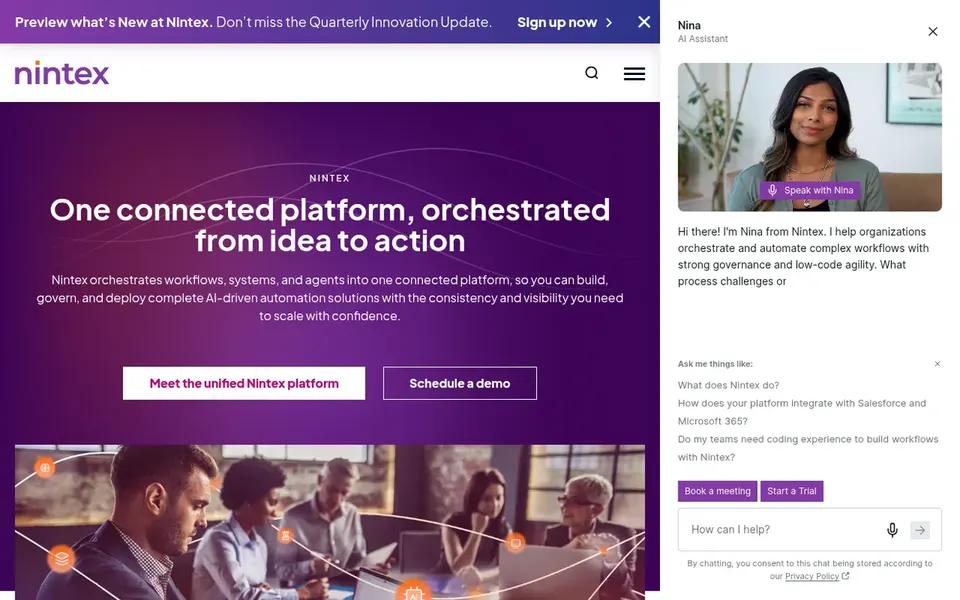
Think of Nintex for end-to-end process and workflow management. Clinics that want to map and standardize processes like referrals, approvals and patient communications can use it to automate those steps across teams.
The main drawbacks: Wide feature set takes time to learn.
The breadth of process tooling means a ramp-up time, and smaller clinics may need help configuring it well. Check the vendor site for Nintex pricing; none is listed in this comparison. Trial and free access: Free trial.
Best for: Large enterprise workflow standardization
ServiceNow serves large enterprise workflow standardization. ServiceNow offers an AI product for simplifying enterprise workflows that serve both customers and employees across the business. In daily use, the enterprise scope can be more than a standalone clinic needs, and it typically needs dedicated administration.
On top of that, bigger clinic groups or hospital-affiliated practices with service desks and numerous departments may use it to standardize requests, approvals and support processes. Also, smaller practices may get quicker results from a more straightforward automation tool. ServiceNow does not show a starting price in this comparison, so check the vendor site for current pricing. On free options: Not stated.
The main drawbacks: Enterprise scope is heavy for small clinics.
Best for: Enterprise transformation and legacy modernization
Pega makes the most sense for enterprise transformation and legacy modernization. The system is oriented toward large organizations and typically needs specialist skills to implement.
Where it falls short: Enterprise focus needs specialist skills.
Check the vendor site for Pega pricing; none is listed in this comparison. Free options: Not stated.
Best for: Orchestrating critical processes without replacement
Appian serves orchestrating critical processes without replacement. Appian centres on AI-powered process orchestration across the enterprise, coordinating AI agents, systems and people without replacing existing systems. That makes it relevant for clinics that want to automate around an existing records or billing system instead of migrate away from it.
On top of that, the platform is complicated and usually needs skilled staff to design and maintain processes. Also, a clinic with restricted IT capacity may prefer a no-code tool with a shorter setup path. This comparison lists no price for Appian; ask the vendor. Trial and free access: Not stated.
Watch-outs: Enterprise orientation may be excessive.
Best for: No-code workflow building for small teams
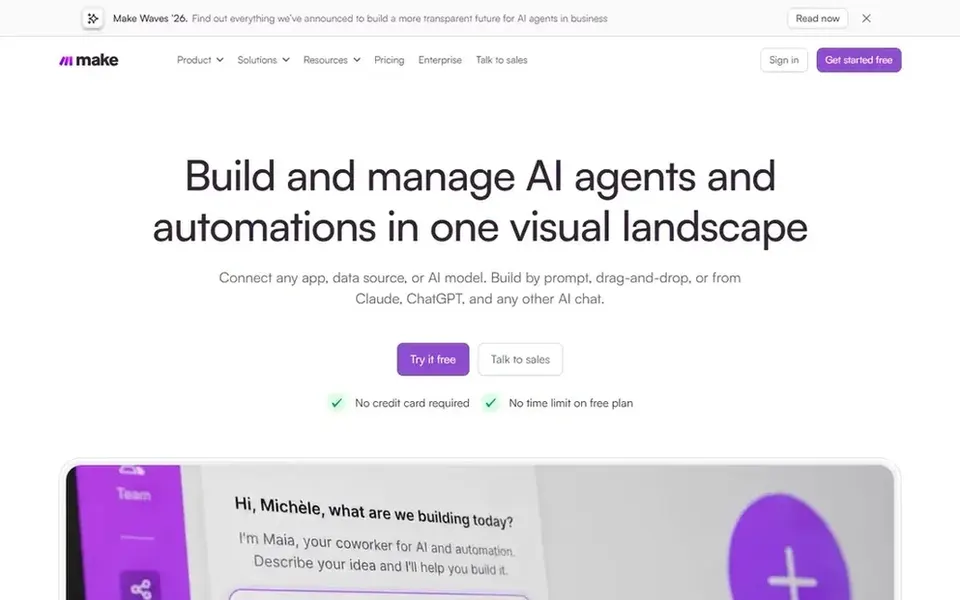
Pick Make if this describes you: no-code workflow building for small teams. Its drag-and-drop approach suits clinic administrators who want to automate scheduling reminders, patient intake routing or document handling without writing code.
Where it is weaker: Complex flows need careful design.
Smaller practices and operations teams that require quick, adaptable automations tend to fit best. Make does not show a starting price in this comparison, so check the vendor site for current pricing. Make has a free plan.
Ask Nintex, ServiceNow, Pega and others for a written quote, since no starting price is shown.
Read the fine print on the free plans from UiPath and Make; seat, project and feature caps differ.
Run a trial of Nintex with real work before paying for a year; your own workflow is the best test.
Read the limits listed for UiPath first: enterprise focus can overwhelm small clinics.
Confirm minimum seats and billing terms with Nintex before you commit to an annual plan.
Compare total cost, not headline price: for Pega, add extra seats, add-ons and any usage-based charges.
How we picked
Each tool was reviewed on what its vendor publishes: price, plan limits, core features and stated drawbacks. We did not run hands-on tests. Plan names, prices and limits change often. Treat the figures here as a starting point and verify them with the vendor. The order reflects how well each tool fits the most common buying scenario for process automation software for medical clinics, then price clarity, then free plan access. It is a starting point, not a verdict.
Every price and plan detail on this page comes from the vendors’ own websites. We did not run hands-on tests unless the text says so, and we do not publish star ratings or review scores. See how we score and our disclosure.
Keep your shortlist in one place
Paste prices, trial dates and notes from this guide into Ainotely, our AI note app. It files them into a topic and pulls out tasks like “cancel trial by Friday”. Free 7-day trial, no card needed.
Which options for process automation software for medical clinics have a free plan?
UiPath and Make offer a free plan in this list. Free plans usually cap users, projects or features, so check the limits on the vendor page. One other tool offers a trial instead. Pricing, free plan details and limits for all 6 tools in this process automation software for medical clinics roundup sit on the individual cards above.
When does an enterprise product make sense over a no-code tool?
Enterprise systems for example UiPath, ServiceNow, Appian and Pega suit bigger clinic groups automating across plenty of systems and departments. They usually need dedicated technical staff, so smaller practices commonly start with a lighter tool.
Do these tools publish their prices?
Not all of them. Nintex, ServiceNow, Pega and others publish no starting price, so expect a quote request for those. The rest, UiPath included, show a starting price, though seats and billing terms still change the final cost.
Can automation software deal with patient data safely?
Safety relies on the vendor's access controls, audit logging and data handling practices. Ask each vendor how patient information is stored and protected, and confirm the terms fit your clinic's compliance obligations.
What should a small clinic look for in process automation software?
Prioritize a no-code builder, clear connections to scheduling and billing systems, and solid access controls. A system like Make can include typical intake and reminder workflows without heavy IT involvement.
What is the cheapest option for process automation software for medical clinics in this list?
On published monthly entry prices, UiPath is the lowest here at $25 per month. Entry price is only part of the cost, because seats, add-ons and billing terms can change the total. The 6 tool cards above repeat this per product for process automation software for medical clinics, with the listed price or "pricing on request".