AllegroGraph is the first pick on this list for knowledge graphs with neuro-symbolic AI. Listed starting prices: Neo4j from $0.09 per GB per hour. Stardog fits knowledge graph semantic layer for AI; GraphDB fits semantic graph analytics and linking. Details, prices and limits for the rest of the 6 tools are below.
If you are comparing RDF databases, this page covers 6 tools in one place: what each is best for, what it costs to start, whether it has a free plan, and the main limit to know about.
Key takeaways
Top of the list is AllegroGraph, which targets knowledge graphs with neuro-symbolic AI.
MarkLogic fits multi-model enterprise data management.
Check the limits for Neo4j before you commit: property graph orientation differs from RDF modeling.
Free plans exist at 2 of 6 tools (Neo4j, Amazon Neptune).
AllegroGraph, Stardog, GraphDB and others: pricing is by quote only, so plan time for a sales conversation.
AllegroGraph was built for knowledge graphs with neuro-symbolic AI. Organizations with analytics-heavy semantic use cases are the target audience.
The main drawbacks: Specialized positioning may narrow fit.
Its specialized neuro-symbolic positioning may be more than straightforward RDF storage needs. Also, teams needing straightforward triple storage with minimal complexity may look elsewhere. Pricing for AllegroGraph is not stated here, so ask the vendor for current figures. As for free access: Not stated.
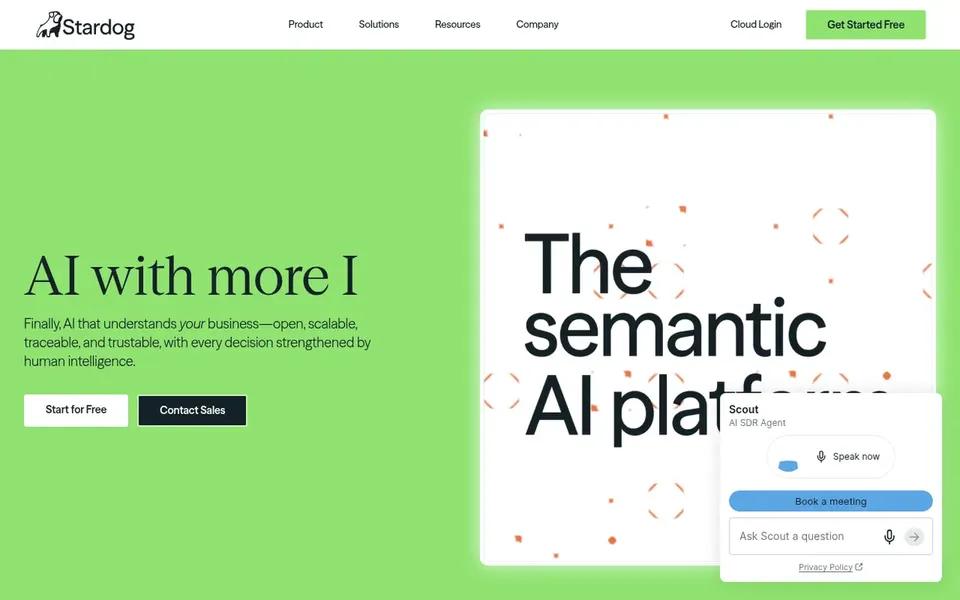
Choose Stardog for knowledge graph semantic layer for AI. The semantic layer model depends on thoughtful modeling and governance to deliver value.
Limits to weigh: May be more than small teams need.
It fits organizations that want a semantic abstraction over existing systems instead of a standalone store. Stardog does not show a starting price in this comparison, so check the vendor site for current pricing. Trial and free access: Not stated.
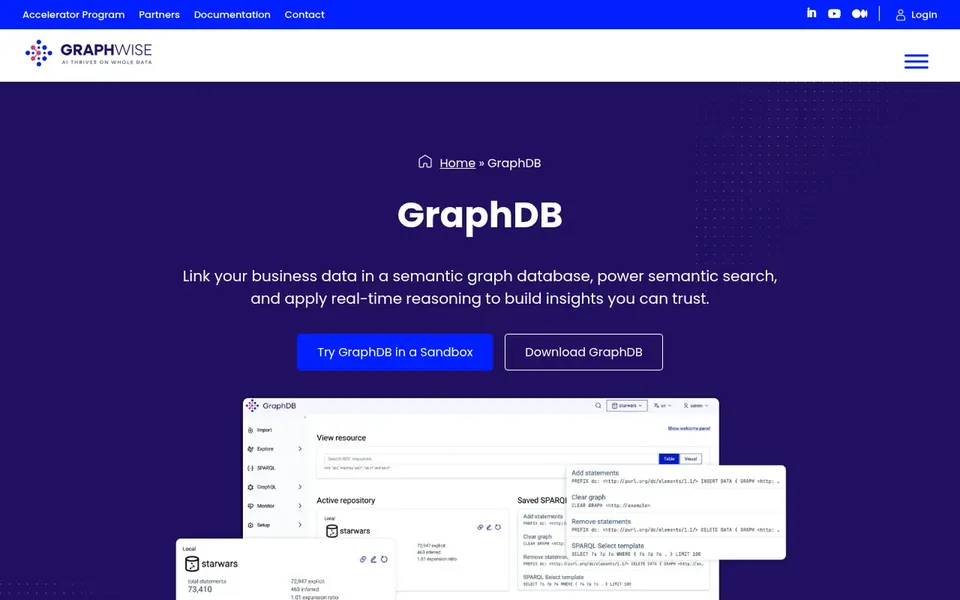
GraphDB is a good fit for semantic graph analytics and linking. GraphDB from Graphwise is a semantic graph database aimed at quick queries, semantic linking and extracting meaning from unstructured data for analytics and cost reduction.
On top of that, consider alternatives when your data model is not semantic. Teams that chiefly need a property graph model or very straightforward key-value lookups may find a general graph database or document store more straightforward. No starting price is listed for GraphDB here; confirm pricing on the vendor site. Free options: Not stated.
Where it falls short: Semantic focus may not suit pure property graph needs.
Neo4j is aimed squarely at property graph queries at scale. Neo4j is a graph intelligence product that links data as it is stored and performs capable, complicated queries at scale and speed.
Limits to weigh: Property graph orientation differs from RDF modeling.
In daily use, choose it when connected data queries and graph application development matter more than native RDF semantics. On cost, Neo4j starts like this: $0.09 per GB per hour. Neo4j offers a free plan.
Amazon Neptune is built with managed graph database on AWS in mind. Amazon Neptune is a quick, completely managed graph database service on AWS for use cases like identity graphs, knowledge graphs and fraud detection.
Where it is weaker: Managed model limits infrastructure control.
For everyday use, organizations needing managed graph workloads alongside other AWS services are a natural match. Amazon Neptune does not show a starting price in this comparison, so check the vendor site for current pricing. Amazon Neptune has a free plan.
Choose MarkLogic for multi-model enterprise data management. MarkLogic, now part of Progress, is described as an adaptable, AI-ready multi-model data management system for complicated data challenges.
Also, as an enterprise multi-model product, it can be more than a small RDF project needs. Beyond that, consider MarkLogic when multi-model adaptability and enterprise data management are central requirements. Pricing for MarkLogic is not stated here, so ask the vendor for current figures. As for free access: Free trial.
Where it falls short: Enterprise scope can be heavy for small projects.
Get a written quote from AllegroGraph, Stardog, GraphDB and others; the list shows no starting price for them.
Look at free plan limits closely: Neo4j and Amazon Neptune have one, and the caps decide whether it is usable for real work.
Run a trial of MarkLogic with real work before paying for a year; your own workflow is the best test.
Before choosing AllegroGraph, weigh its main limit: specialized positioning may narrow fit.
Verify that exporting from Stardog is possible on your plan and covers all your records.
Check the integration list for Neo4j against the tools you run today, and note which ones need a higher plan.
How we picked
Pricing pages, product documentation and feature lists were the main sources, and every entry carries at least one honest drawback. Where a price is missing, the vendor does not list one publicly or ties it to a quote. Always confirm before budgeting. The order reflects how well each tool fits the most common buying scenario for RDF databases, then price clarity, then free plan access. It is a starting point, not a verdict.
Every price and plan detail on this page comes from the vendors’ own websites. We did not run hands-on tests unless the text says so, and we do not publish star ratings or review scores. See how we score and our disclosure.
Keep your shortlist in one place
Paste prices, trial dates and notes from this guide into Ainotely, our AI note app. It files them into a topic and pulls out tasks like “cancel trial by Friday”. Free 7-day trial, no card needed.
Managed services such as Amazon Neptune cut operational overhead by handling infrastructure for you. That fits teams that want to focus on applications instead of database operations.
How do RDF databases differ from property graph databases?
RDF databases store triples and are queried with SPARQL, which fits semantic and ontology-driven work. Some products support both, so confirm which model suits your data.
Can I try these tools before paying?
Often, yes. Neo4j and Amazon Neptune have a free plan and MarkLogic offers a free trial. Use your own data and a real task during the test, and check what the free tier or trial limits before you rely on it.
How are the tools for RDF databases ordered?
The order follows typical fit for RDF databases, with AllegroGraph first and MarkLogic last, then price clarity and free access. It is editorial judgement, not a score, so another team could rank the tools differently.
Do these tools publish their prices?
Not all of them. AllegroGraph, Stardog, GraphDB and others publish no starting price, so expect a quote request for those. The rest, Neo4j included, show a starting price, though seats and billing terms still change the final cost.
Is AllegroGraph the right pick for everyone comparing RDF databases?
No single tool suits every team. AllegroGraph comes first because it fits knowledge graphs with neuro-symbolic AI, while Stardog suits knowledge graph semantic layer for AI and GraphDB suits semantic graph analytics and linking. Match the tool to your own size, budget and workflow before deciding.