For governed data and AI insights, Domo is where this list starts. Listed starting prices: Tableau from $15 per user a month. If your case is different, SAP Analytics Cloud suits BI with planning and predictive analysis and Sisense suits embedded analytics in district apps. The remaining 3 options are covered below with prices and limits.
Ainotely put together this guide to reporting software for school districts for readers who want a clear shortlist without reading every vendor page. It compares 6 tools on starting price, free plans, who each one suits and where each one falls short.
Key takeaways
The list opens with Domo, aimed at governed data and AI insights.
Just one of the 6 tools, Tableau, has a free plan.
Starting prices begin at $15 per user per month with Tableau.
For all-in-one BI and dashboards, Zoho Analytics is worth a look.
The main caution on Sisense: concentrated on embedding instead of standalone BI.
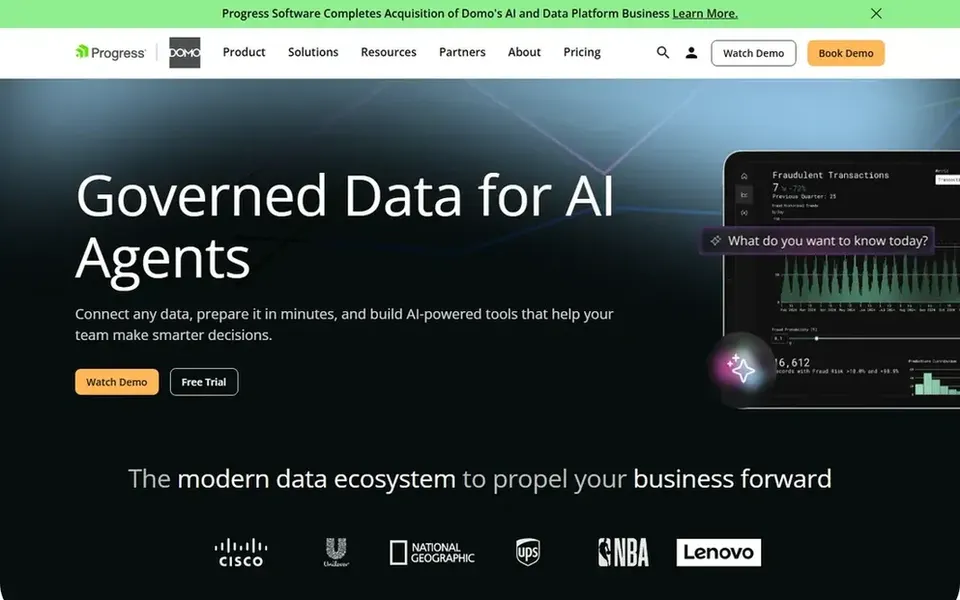
Domo works best for governed data and AI insights. Domo strengthens the whole data journey with AI and data products. It links and moves data from any source, prepares and expands data access for exploration, and accelerates business-critical insights.
Trade-offs to know: Can be overwhelming for small teams.
In daily use, Domo can be complicated to implement and may need dedicated support, which could strain small district IT teams. From a buyer's view, school districts that require a governed data environment and want to use AI for reporting may find Domo a good fit. This comparison lists no price for Domo; ask the vendor. On free options: Free trial.
Best for: BI with planning and predictive analysis
Think of SAP Analytics Cloud for BI with planning and predictive analysis. School districts that require to integrate reporting with budgeting and forecasting may find its combined capabilities handy. It is built for organizations looking to link analytics with planning processes.
Limits to weigh: May need SAP ecosystem familiarity.
Where it shines: Makes it possible for data visualization.
As for the details, SAP Analytics Cloud is a cloud analytics product that makes it possible for data visualization and improved business intelligence, with tools for BI, planning, and predictive analysis. The system can be complicated to configure and may be most beneficial for districts already using SAP systems. Pricing for SAP Analytics Cloud is not stated here, so ask the vendor for current figures. Trial and free access: Not stated.
Think of Sisense for embedded analytics in district apps. Districts wanting a traditional BI experience might prefer Tableau or Zoho Analytics.
It may also need developer involvement for integration. Sisense does not show a starting price in this comparison, so check the vendor site for current pricing. Free access: Free trial.
Trade-offs to know: Centred on embedding instead of standalone BI.
Best for: End-to-end data integration and analytics
Choose Qlik Sense for end-to-end data integration and analytics. It is suited for school districts that require to unify data from several sources and ensure quality before reporting.
What to check first: Steeper ramp-up time.
From a buyer's view, districts looking for a more turnkey reporting tool might consider Tableau or Sisense. This comparison lists no price for Qlik Sense; ask the vendor. Free plan details: Not stated.
Best for: Districts needing advanced visualizations
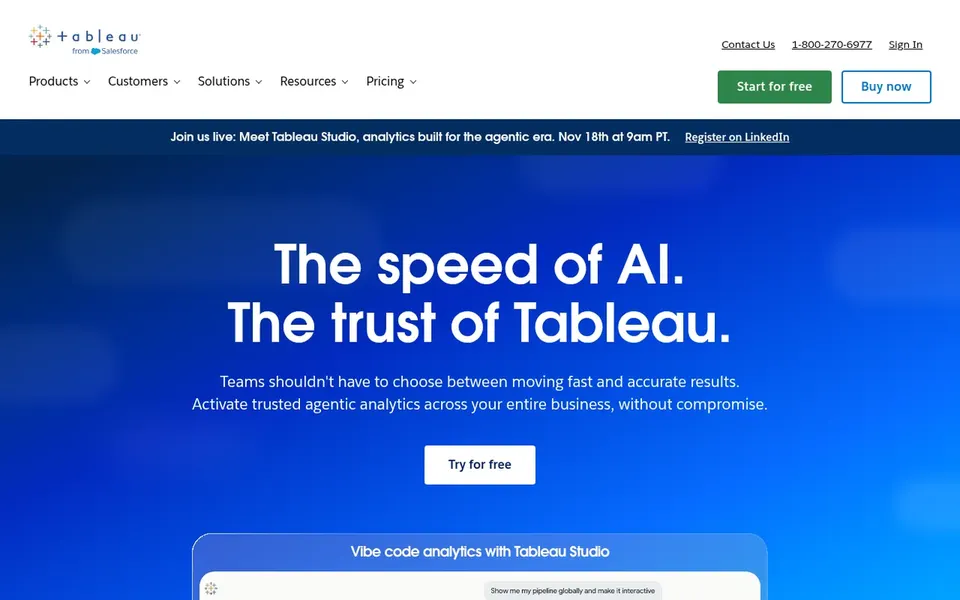
Tableau is aimed squarely at districts needing advanced visualizations. Tableau is a business intelligence and analytics system that helps users see and understand their data.
This makes it a fit for school districts that require to combine data from several systems and present it in clear, interactive views for administrators and school boards. What you pay to start with Tableau: $15 per user per month. A free plan is available with Tableau.
Honest limits: May be complicated for straightforward reporting needs.
In short, Zoho Analytics is for all-in-one BI and dashboards. Zoho Analytics is a data analytics software and AI-powered BI product that links to plenty of apps, builds dashboards, and provides actionable insights immediately.
Limits to weigh: Advanced customization can be restricted.
Worth adding: the tool aims to make analytics accessible across departments. Districts with highly specialized reporting needs might evaluate Tableau or SAP Analytics Cloud. This comparison lists no price for Zoho Analytics; ask the vendor. As for free access: Not stated.
Get a written quote from Domo, SAP Analytics Cloud, Sisense and others; the list shows no starting price for them.
Test the free plan from Tableau against your real workload before relying on it.
Run a trial of Domo and Sisense with real work before paying for a year; your own workflow is the best test.
Before choosing Domo, weigh its main limit: may need implementation support.
Ask Qlik Sense how an export works before you move any records in; an easy exit lowers the risk.
A short pilot of Zoho Analytics with your real workflow tells you more than a feature table.
How we picked
Each tool was reviewed on what its vendor publishes: price, plan limits, core features and stated drawbacks. We did not run hands-on tests. Figures are shown as the vendors publish them. Billing terms, seat minimums and add-ons can change the real cost. We ordered the tools by general fit, then by how clearly pricing is shown, then by free access. A buyer with unusual needs may reorder them. This applies to all 6 reporting software for school Districts options compared here.
Every price and plan detail on this page comes from the vendors’ own websites. We did not run hands-on tests unless the text says so, and we do not publish star ratings or review scores. See how we score and our disclosure.
Keep your shortlist in one place
Paste prices, trial dates and notes from this guide into Ainotely, our AI note app. It files them into a topic and pulls out tasks like “cancel trial by Friday”. Free 7-day trial, no card needed.
How do embedded analytics differ from standalone BI tools?
Embedded analytics like Sisense integrate reports straight into existing applications, whereas standalone BI tools like Tableau supply a separate interface for analysis. Districts should choose based on whether they want analytics within their portals or as a dedicated reporting environment.
How are the tools for reporting software for school districts ordered?
The order follows typical fit for reporting software for school districts, with Domo first and Zoho Analytics last, then price clarity and free access. It is editorial judgement, not a score, so another team could rank the tools differently.
Can I try these tools before paying?
Often, yes. Tableau has a free plan and Domo and Sisense offer a free trial. Use your own data and a real task during the test, and check what the free tier or trial limits before you rely on it. The 6 tool cards above repeat this per product for reporting software for school Districts, with the listed price or "pricing on request".
Which options for reporting software for school districts have a free plan?
Tableau is the only tool in this list with a free plan. Free plans usually cap users, projects or features, so check the limits on the vendor page. Several others offer a trial instead. Each of the 6 options in this reporting software for school Districts guide has its own card above with the price, free plan and limits.
Can these tools manage student data securely?
Most enterprise reporting tools bundle security features like role-based access and data governance. More specifically, districts should confirm compliance with relevant regulations and review vendor documentation. Each tool's security details are available on vendor sites.
Which tool is a good match for small districts with restricted IT staff?
Domo is the pick this page puts first, mainly for governed data and AI insights. If your situation differs, SAP Analytics Cloud suits BI with planning and predictive analysis, and Sisense suits embedded analytics in district apps. Compare price and limits before you decide.