The Trade Desk comes first here, mainly for omnichannel programmatic campaigns. For a different need, Promotion Vault covers reward driven engagement and retention and Target Roundel covers Target centered media and loyalty moments. The full list of 5 tools follows, with prices and free plan facts.
This Ainotely guide covers 5 retail media platforms for brands. Each profile lists a starting price, free plan details, strengths and drawbacks, so you can drop poor fits quickly.
Key takeaways
The Trade Desk takes the first slot, best suited to omnichannel programmatic campaigns.
The main caution on Promotion Vault: not a full retail media network.
Amazon Ads is the one to check for reaching shoppers on and off Amazon.
Just one of the 5 tools, Promotion Vault, has a free plan.
Pricing across the list, from The Trade Desk to Amazon Ads, is by quote only.
The Trade Desk was built for omnichannel programmatic campaigns. It also assumes programmatic knowledge and active management.
Honest limits: Not a retailer owned network.
Brands new to programmatic may prefer to start with a retailer product and add this later. This comparison lists no price for The Trade Desk; ask the vendor. Free access: Not stated.
Pick Promotion Vault if this describes you: reward driven engagement and retention. Promotion Vault centres on turning instant rewards into revenue by triggering gift cards at key moments, aiming to cut churn, lift upgrades and boost referrals. It complements advertising rather than replacing it.
Honest limits: Not a full retail media network.
It is not a retail media network in the traditional sense, so it will not deliver promoted placements on retailer sites. In daily use, use this as a retention add on when incentives fit your model. Pricing for Promotion Vault is not stated here, so ask the vendor for current figures. Promotion Vault has a free plan.
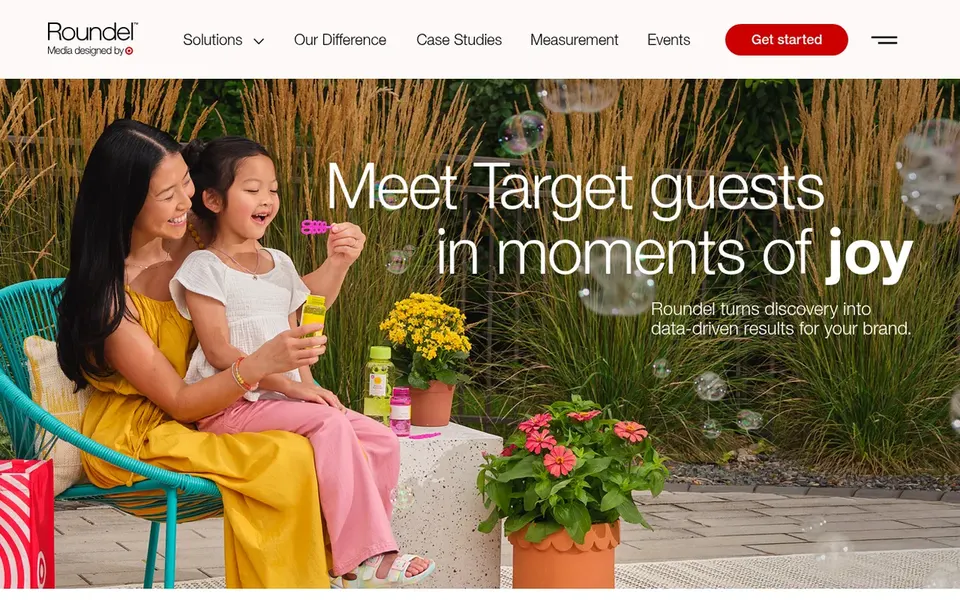
Best for: Target centered media and loyalty moments
Target Roundel targets Target centered media and loyalty moments. It suits brands that sell through Target and want advertising aligned with that retailer's shopping moments and loyalty context.
Drawbacks to consider: Best for brands already in that retail space.
From a buyer's view, brands seeking broad open web reach may need a demand side product alongside it. Check the vendor site for Target Roundel pricing; none is listed in this comparison. On free options: Not stated.
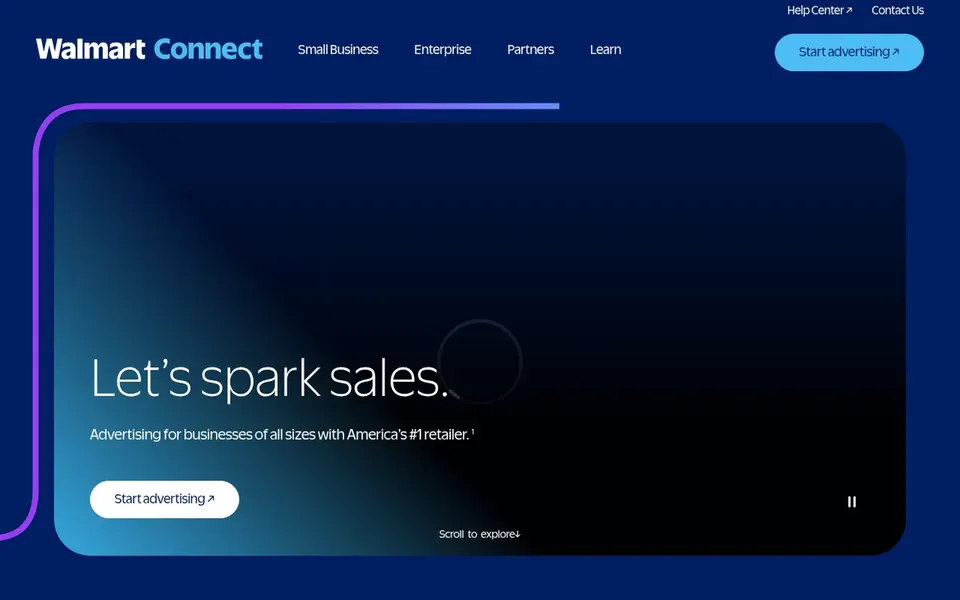
Best for: Omnichannel retail advertising with Walmart
For omnichannel retail advertising with Walmart, Walmart Connect is a natural candidate. The system is centered on the Walmart environment, so brands without that retail relationship will get restricted value.
Beyond that, planning and measurement still rely on how your catalog and goals are set up. No starting price is listed for Walmart Connect here; confirm pricing on the vendor site. On free options: Not stated.
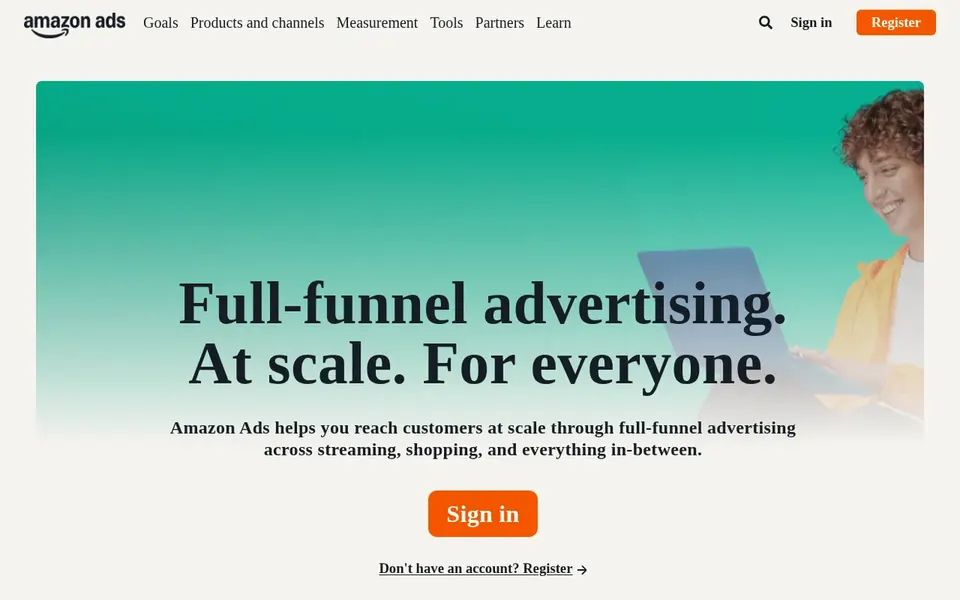
Amazon Ads is built with reaching shoppers on and off Amazon in mind. Since the offering is closely tied to Amazon, brands outside that ecosystem may find it less central to their strategy.
It also rewards teams that can plan and handle campaigns actively. Brands looking for a single entry point into retail media commonly start here. Check the vendor site for Amazon Ads pricing; none is listed in this comparison. As for free access: Not stated.
Confirm the entry price with every vendor: no tool from The Trade Desk to Amazon Ads shows a fixed starting price.
Test the free plan from Promotion Vault against your real workload before relying on it.
Read the limits listed for The Trade Desk first: needs programmatic expertise.
Confirm minimum seats and billing terms with Promotion Vault before you commit to an annual plan.
Pick one real project and run it in Walmart Connect first; a small pilot shows fit faster than a checklist.
How we picked
The comparison looks at four things: starting price, free access, how well the feature set matches retail media platforms for brands, and the main limit of each tool. Where a price is missing, the vendor does not list one publicly or ties it to a quote. Always confirm before budgeting. Position on the page reflects fit for a typical buyer first, with price clarity and free access breaking ties. Treat it as a guide, not a ruling.
Every price and plan detail on this page comes from the vendors’ own websites. We did not run hands-on tests unless the text says so, and we do not publish star ratings or review scores. See how we score and our disclosure.
Keep your shortlist in one place
Paste prices, trial dates and notes from this guide into Ainotely, our AI note app. It files them into a topic and pulls out tasks like “cancel trial by Friday”. Free 7-day trial, no card needed.
No. None of the tools, from The Trade Desk to Amazon Ads, shows a fixed starting price here, so budget time for quotes.
Can I try these tools before paying?
Often, yes. Promotion Vault has a free plan. Use your own data and a real task during the test, and check what the free tier or trial limits before you rely on it.
How does The Trade Desk differ from retailer platforms?
The Trade Desk is an omnichannel programmatic product instead of a retailer owned network. Brands commonly pair it with a retailer product for a fuller strategy.
Should I start with Amazon Ads or a retailer network?
Amazon Ads is a typical starting point since it handles advertising on and off Amazon in one place. If your sales are concentrated with another retailer, its own network may be more relevant.
Is The Trade Desk the right pick for everyone comparing retail media platforms for brands?
No single tool suits every team. The Trade Desk comes first because it fits omnichannel programmatic campaigns, while Promotion Vault suits reward driven engagement and retention and Target Roundel suits Target centered media and loyalty moments. Match the tool to your own size, budget and workflow before deciding.
Which options for retail media platforms for brands have a free plan?
Promotion Vault is the only tool in this list with a free plan. Free plans usually cap users, projects or features, so check the limits on the vendor page.