This list puts Amazon Ads first for brands selling on Amazon. If your case is different, The Trade Desk suits omnichannel programmatic campaigns and Roundel suits target shopper media moments. The remaining 3 options are covered below with prices and limits.
Choosing AI retail media advertising platforms usually comes down to price, fit and limits. This Ainotely guide sets 6 tools side by side on those three points, with the facts kept short and checkable.
Key takeaways
Amazon Ads sits first on this list: brands selling on Amazon.
A fair warning about The Trade Desk: not a retailer-owned network.
For commerce-data driven ad targeting, Criteo Retail Media is worth a look.
A permanent free plan is missing from all 6 tools, Amazon Ads and Criteo Retail Media included; plan for a trial or a premium start.
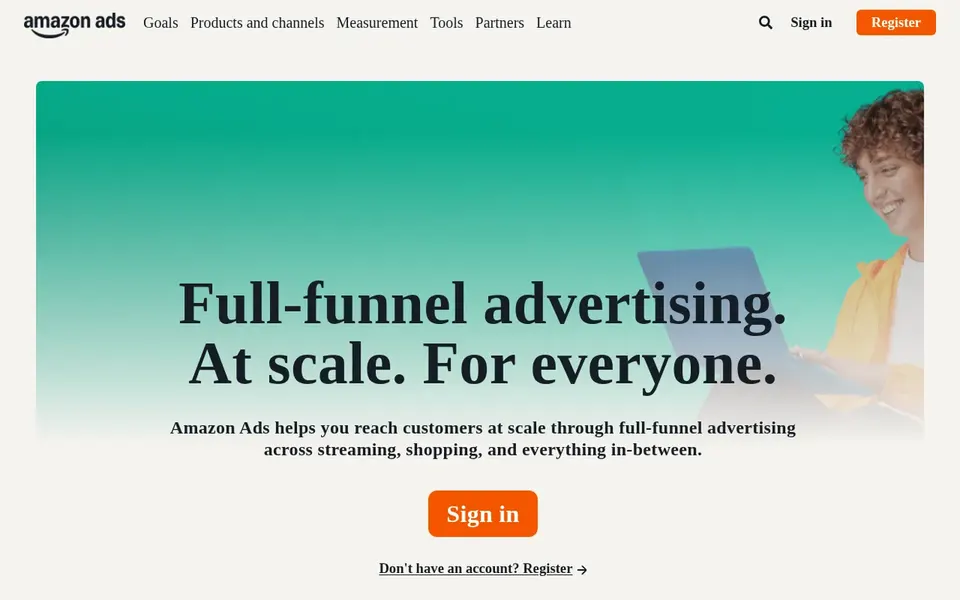
Amazon Ads is a good fit for brands selling on Amazon. Beyond that, the system is most handy when Amazon is part of your sales mix.
Where it falls short: Tied closely to Amazon ecosystem.
Brands without an Amazon presence may find less value. Amazon Ads does not show a starting price in this comparison, so check the vendor site for current pricing. On free options: Not stated.
Think of The Trade Desk for omnichannel programmatic campaigns. The Trade Desk describes an omnichannel system built to help advertisers reach goals from brand building to performance marketing.
Limits to weigh: Needs programmatic expertise.
Check the vendor site for The Trade Desk pricing; none is listed in this comparison. Free options: Not stated.
Roundel was built for target shopper media moments. Since it is built around Target, its usefulness relies on whether Target matters to your category and customers.
Brands without a Target presence, or those wanting open-web scale, should look at broader systems. Pricing for Roundel is not stated here, so ask the vendor for current figures. Trial and free access: Not stated.
What to check first: Restricted to Target-relevant brands.
Google Ads is aimed squarely at search and YouTube reach. It suits advertisers who want broad search and video reach and who plan to run or delegate campaign optimization over time.
Google Ads does not show a starting price in this comparison, so check the vendor site for current pricing. Free access: Not stated.
Trade-offs to know: Needs continuing campaign management.
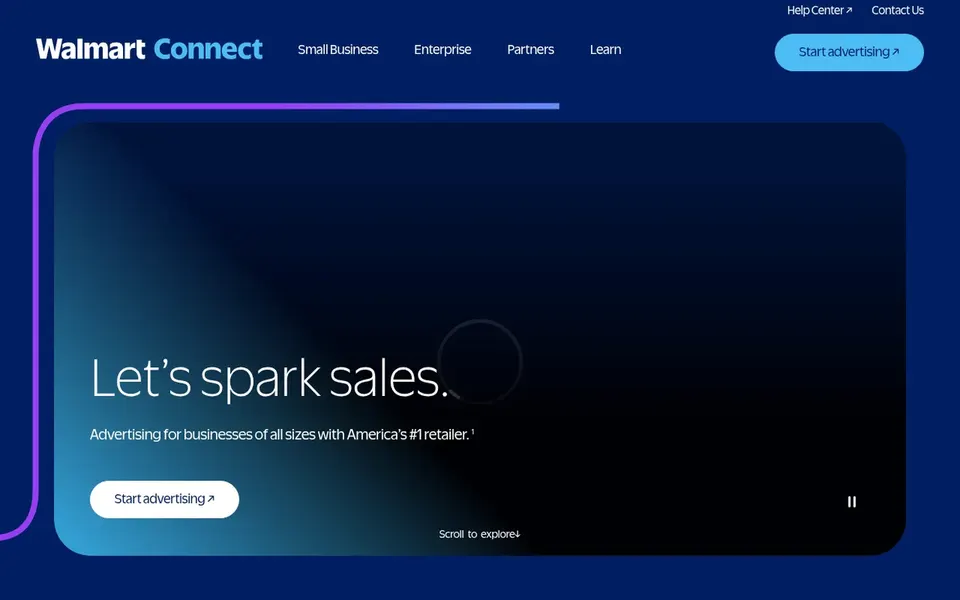
Walmart Connect is designed for US omnichannel retail advertisers. Walmart Connect invites advertisers to accelerate growth by advertising with an omnichannel retailer, positioning campaigns around retail shopper context.
Where it is weaker: Best fit for Walmart-relevant brands.
It fits brands sold through Walmart that want media tied to retail activity and are comfortable working inside a retailer-owned advertising environment. Check the vendor site for Walmart Connect pricing; none is listed in this comparison. Free access: Not stated.
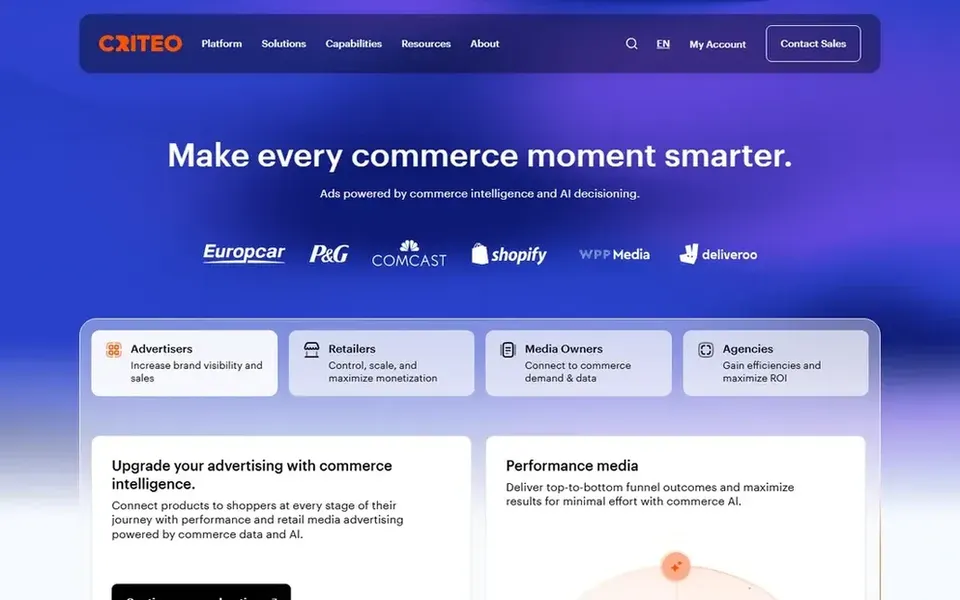
Criteo Retail Media works best for commerce-data driven ad targeting. Since results rely on the commerce data and retailer relationships available in your market, coverage can differ by region.
Worth adding: if your priority is a single retailer's owned audience instead of a wide commerce network, a retailer-specific product may fit better. No starting price is listed for Criteo Retail Media here; confirm pricing on the vendor site. Free access: Not stated.
Where it is weaker: Retailer network varies by market.
Request quotes from Amazon Ads, Criteo Retail Media and the others; the list shows no fixed prices.
Read the limits listed for Amazon Ads first: tied closely to Amazon ecosystem.
Run a one or two week pilot of Walmart Connect with the people who will use it every day.
Make sure The Trade Desk lets you export your data in a format another tool can read.
Compare total cost, not headline price: for Amazon Ads, add extra seats, add-ons and any usage-based charges.
How we picked
For each of the 6 tools we noted price, free plan or trial, fit for AI retail media advertising platforms and the main limit, using vendor pages and documentation. Treat prices as a snapshot: vendors change plans often, so check the vendor site for the figure that applies today. The order reflects how well each tool fits the most common buying scenario for AI retail media advertising platforms, then price clarity, then free plan access. It is a starting point, not a verdict.
Every price and plan detail on this page comes from the vendors’ own websites. We did not run hands-on tests unless the text says so, and we do not publish star ratings or review scores. See how we score and our disclosure.
Keep your shortlist in one place
Paste prices, trial dates and notes from this guide into Ainotely, our AI note app. It files them into a topic and pulls out tasks like “cancel trial by Friday”. Free 7-day trial, no card needed.
Is Amazon Ads the right pick for everyone comparing AI retail media advertising platforms?
No single tool suits every team. Amazon Ads comes first because it fits brands selling on Amazon, while The Trade Desk suits omnichannel programmatic campaigns and Roundel suits target shopper media moments. Match the tool to your own size, budget and workflow before deciding.
Do these tools publish their prices?
No. None of the tools, from Amazon Ads to Criteo Retail Media, shows a fixed starting price here, so budget time for quotes.
How are the tools for AI retail media advertising platforms ordered?
The order follows typical fit for AI retail media advertising platforms, with Amazon Ads first and Criteo Retail Media last, then price clarity and free access. It is editorial judgement, not a score, so another team could rank the tools differently.
Can I try these options before paying?
Not by default. None of the tools, from Amazon Ads to Criteo Retail Media, lists a free plan or a free trial here, so ask each vendor for a demo before committing.
How do I compare products fairly?
Check documented formats, targeting data, market coverage, and reporting against your goals, then confirm details on each vendor site. A short pilot can reveal fit better than feature lists alone.
What is an AI retail media advertising product?
It is advertising technology that uses retailer shopper data and automatic or AI-assisted buying to place ads near shopping moments. In practice, the right choice relies on where your customers shop.