SciNote leads the list, best for structured electronic lab notebook workflows. Listed starting prices: LabArchives from $25 per student per term. LabArchives fits electronic lab notebooks for research organizations; Benchling fits biology-first R&D data and collaboration. The full list of 5 tools follows, with prices and free plan facts.
Ainotely compared 5 tools for scientific data management systems for enterprise. The goal is a practical shortlist: published prices, free plan facts, best-fit use cases and honest limits for every entry.
Key takeaways
The list opens with SciNote, aimed at structured electronic lab notebook workflows.
Expect to ask for a quote from SciNote, Benchling, LabVantage LIMS and Thermo Fisher Scientific SampleManager LIMS; the other tools show a starting price.
For laboratory information management at scale, Thermo Fisher Scientific SampleManager LIMS is worth a look.
One limit worth knowing about LabVantage LIMS: enterprise scope can slow rollout.
SciNote, Thermo Fisher Scientific SampleManager LIMS and the 3 others all need a premium plan or a trial, since no free plan is listed.
Best for: Structured electronic lab notebook workflows
SciNote serves structured electronic lab notebook workflows. It tends to appeal to laboratories that want disciplined documentation and traceability without adopting a full laboratory information management suite.
As a notebook-centered product, it may not cover every operational need of a large regulated enterprise, which can need companion systems. This comparison lists no price for SciNote; ask the vendor. Trial and free access: Not stated.
Where it falls short: Smaller footprint than full LIMS suites.
Best for: Electronic lab notebooks for research organizations
LabArchives is built with electronic lab notebooks for research organizations in mind. LabArchives offers a modern electronic laboratory notebook that lets teams organize, search and share scientific data, and the vendor describes it as used by leading research organizations.
Best for: Biology-first R&D data and collaboration
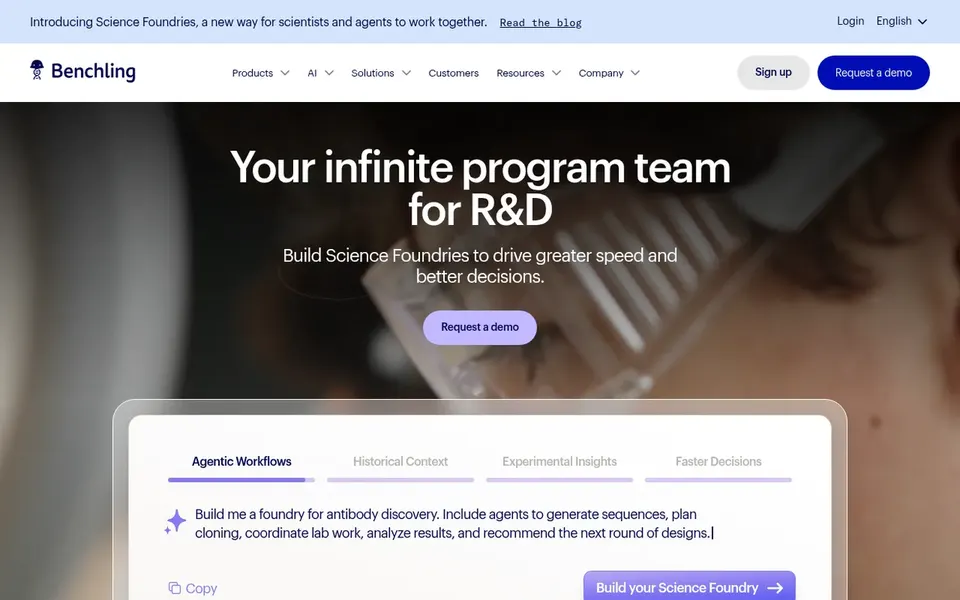
Think of Benchling for biology-first R&D data and collaboration. Benchling is a cloud-based system designed for biotechnology research and development, described by the vendor as a biology-first system for scientific data, collaboration and insights.
Consider alternatives when your primary requirement is cross-discipline application unification or regulated QC laboratory operations. Since the platform is oriented toward biology, organizations with heavy chemistry or engineering data needs may find other systems more natural. Benchling shows no starting price here, so confirm the cost on the vendor site. As for free access: Not stated.
LabVantage LIMS serves end-to-end regulated lab informatics. LabVantage describes an end-to-end laboratory informatics system intended to work for everyone from operators to the QC lab to the C-suite.
Where it is weaker: Needs process standardization first.
This comparison lists no price for LabVantage LIMS; ask the vendor. As for free access: Not stated.
Best for: Laboratory information management at scale
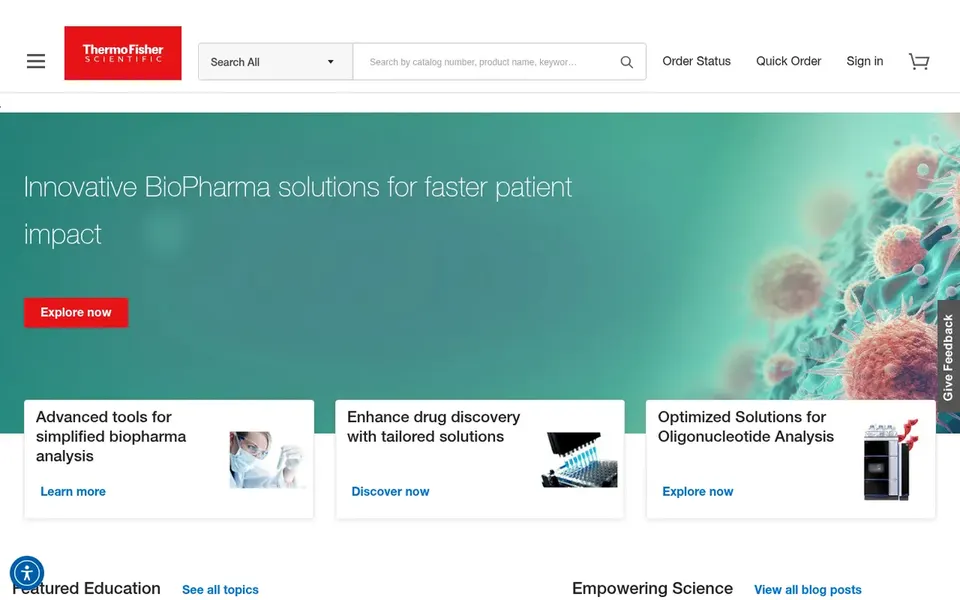
For laboratory information management at scale, Thermo Fisher Scientific SampleManager LIMS is a natural candidate. The LIMS suits enterprises that require structured sample and laboratory information management alongside a wider instrument and services relationship.
On top of that, LIMS deployments typically involve substantial configuration and validation effort, so they reward organizations with clear process ownership. This comparison lists no price for Thermo Fisher Scientific SampleManager LIMS; ask the vendor. Free access: Not stated.
Get a written quote from SciNote, Benchling, LabVantage LIMS and Thermo Fisher Scientific SampleManager LIMS; the list shows no starting price for them.
Run a trial of LabArchives with real work before paying for a year; your own workflow is the best test.
Before choosing SciNote, weigh its main limit: smaller footprint than full LIMS suites.
Involve the people who will use LabArchives daily; a short pilot beats a long feature checklist.
Check the integration list for Thermo Fisher Scientific SampleManager LIMS against the tools you run today, and note which ones need a higher plan.
How we picked
Each tool was reviewed on what its vendor publishes: price, plan limits, core features and stated drawbacks. We did not run hands-on tests. Treat prices as a snapshot: vendors change plans often, so check the vendor site for the figure that applies today. The sequence is a judgement call: typical use case first, then pricing transparency, then free access. Use the profiles to check fit. That approach shaped the order of the 5 scientific data management systems for enterprise tools listed here.
Every price and plan detail on this page comes from the vendors’ own websites. We did not run hands-on tests unless the text says so, and we do not publish star ratings or review scores. See how we score and our disclosure.
Keep your shortlist in one place
Paste prices, trial dates and notes from this guide into Ainotely, our AI note app. It files them into a topic and pulls out tasks like “cancel trial by Friday”. Free 7-day trial, no card needed.
Not all of them. SciNote, Benchling, LabVantage LIMS and Thermo Fisher Scientific SampleManager LIMS publish no starting price, so expect a quote request for those. The rest, LabArchives included, show a starting price, though seats and billing terms still change the final cost.
What is the difference between a LIMS and an ELN here?
A LIMS like SampleManager or LabVantage centers on samples, workflows and laboratory operations, whereas an ELN like LabArchives or SciNote centers on documenting experiments.
How are the tools for scientific data management systems for enterprise ordered?
SciNote sits first and Thermo Fisher Scientific SampleManager LIMS last because the order follows typical fit for scientific data management systems for enterprise, then price clarity and free access. It is a judgement call, so read each profile for fit and limits.
Can I try these tools before paying?
Often, yes. LabArchives offers a free trial. Use your own data and a real task during the test, and check what the free tier or trial limits before you rely on it. All 5 picks in this scientific data management systems for enterprise comparison show their pricing, free plan details and main limits on the cards above.
Is SciNote the right pick for everyone comparing scientific data management systems for enterprise?
No single tool suits every team. SciNote comes first because it fits structured electronic lab notebook workflows, while LabArchives suits electronic lab notebooks for research organizations and Benchling suits biology-first R&D data and collaboration. Match the tool to your own size, budget and workflow before deciding.