Our first pick is Salesforce AppExchange, best for agents and apps extending Salesforce. Microsoft Azure Marketplace fits AI apps and agents on Microsoft cloud; AWS Marketplace fits wide enterprise software discovery on AWS. All 5 tools are compared below on price, free plan and limits.
Choosing technology partner marketplace platforms usually comes down to price, fit and limits. This Ainotely guide sets 5 tools side by side on those three points, with the facts kept short and checkable.
Key takeaways
The list opens with Salesforce AppExchange, aimed at agents and apps extending Salesforce.
A fair warning about AWS Marketplace: most useful for AWS-centric environments.
Pricing across the list, from Salesforce AppExchange to Shopify App Store, is by quote only.
Shopify App Store is the only tool of the 5 with a free plan.
Shopify App Store suits Customizing and expanding Shopify stores.
Pick Salesforce AppExchange if this describes you: agents and apps extending Salesforce. The recent rebranding to AgentExchange may also mean that internal documentation and procurement references need updating before teams can navigate it confidently.
Beyond that, the marketplace is tightly coupled to Salesforce, so its value relies on how much of your operations run there. This comparison lists no price for Salesforce AppExchange; ask the vendor. Trial and free access: Not stated.
Honest limits: Concentrated on Salesforce ecosystem.
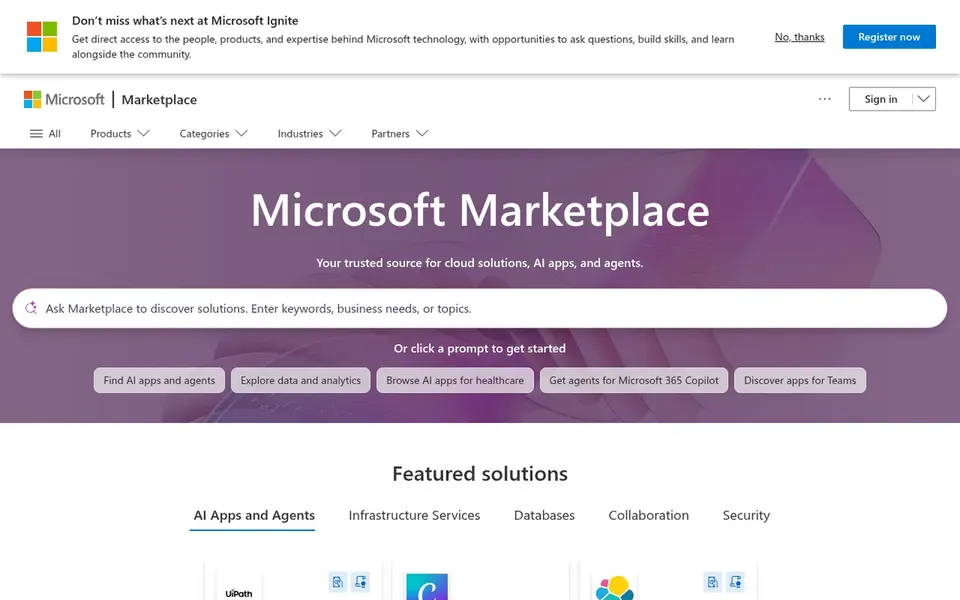
Choose Microsoft Azure Marketplace for AI apps and agents on Microsoft cloud. The marketplace leans heavily toward AI and Microsoft-aligned options, so buyers seeking neutral, cross-cloud catalogs may have to look elsewhere. It may also be less relevant for organizations standardized on non-Microsoft systems.
What to check first: Emphasis on Microsoft ecosystem.
Evaluate other marketplaces if your priority is wide system neutrality or deep integration with a different business application suite. It is positioned to accelerate AI transformation for organizations that want to evaluate and procure options that align with Microsoft cloud services. Microsoft Azure Marketplace shows no starting price here, so confirm the cost on the vendor site. On free options: Not stated.
Best for: Wide enterprise software discovery on AWS
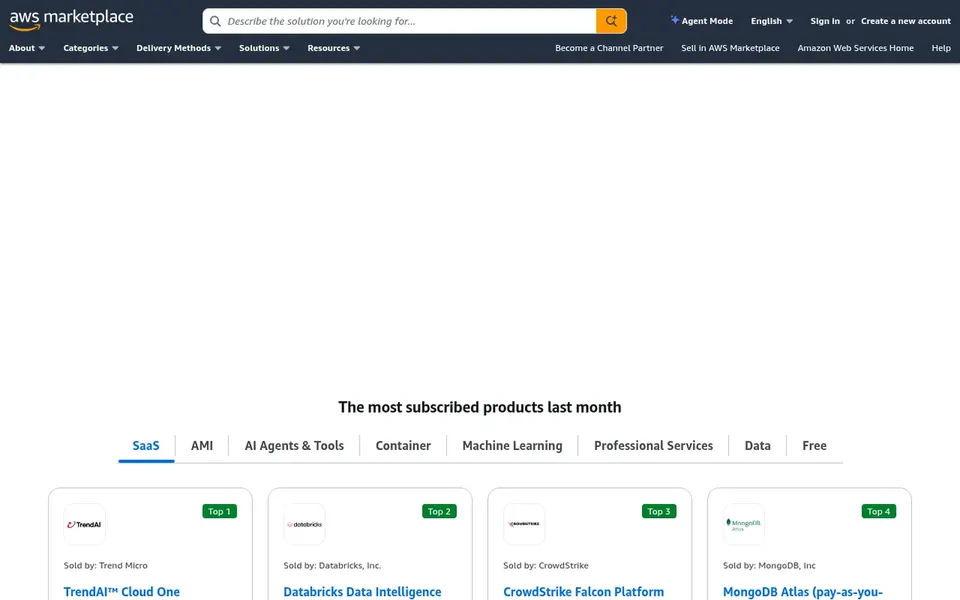
Think of AWS Marketplace for wide enterprise software discovery on AWS. AWS Marketplace is a digital catalog for discovering, purchasing, migrating and deploying software options on AWS. It is built for organizations already using AWS that want to find business software rapidly and pay based on consumption.
Honest limits: Catalog breadth can need careful filtering.
What AWS Marketplace does well: Supports purchase.
Consider other marketplaces when your stack is centered on a different product or when you need deeply platform-specific integrations instead of general enterprise software. In daily use, the wide catalog can also make it harder to narrow choices without clear requirements. AWS Marketplace shows no starting price here, so confirm the cost on the vendor site. Free plan details: Not stated.
ServiceNow Store serves apps extending the Now Platform. The store is specific to ServiceNow, so it provides little for teams not using the Now Platform. In daily use, consider other marketplaces if your organization has not standardized on ServiceNow or if you need applications for a different core system.
Watch-outs: Value relies on product adoption.
Evaluating partner apps also needs diligence around fit and support. In practice, ServiceNow Store is an app marketplace where apps extend the Now Platform into new use cases, delivering increasing value with every app deployed. It features apps from plenty of build partners that aim to deliver modern experiences and a diverse range of functionality. Pricing for ServiceNow Store is not stated here, so ask the vendor for current figures. On free options: Not stated.
Shopify App Store is designed for Customizing and expanding Shopify keeps. The store serves only Shopify merchants, so it is not relevant for other ecommerce systems or general business software.
On top of that, consider other marketplaces if you run a different commerce product or need enterprise applications beyond store customization. This comparison lists no price for Shopify App Store; ask the vendor. Shopify App Store offers a free plan.
Ask each vendor, from Salesforce AppExchange to Shopify App Store, for a written quote; none of them publishes a starting price.
Test the free plan from Shopify App Store against your real workload before relying on it.
Before choosing Salesforce AppExchange, weigh its main limit: centred on Salesforce ecosystem.
Check the integration list for Shopify App Store against the tools you run today, and note which ones need a higher plan.
Check whether the features you need in Salesforce AppExchange sit on the entry plan or only on higher tiers.
How we picked
Each tool was reviewed on what its vendor publishes: price, plan limits, core features and stated drawbacks. We did not run hands-on tests. Prices and plan limits come from vendor pages and can change, so confirm them on the vendor site before you buy. Tools are placed by general fit for technology partner marketplace platforms, with price clarity and free access as tie-breakers. A different team can reasonably rank them differently.
Every price and plan detail on this page comes from the vendors’ own websites. We did not run hands-on tests unless the text says so, and we do not publish star ratings or review scores. See how we score and our disclosure.
Keep your shortlist in one place
Paste prices, trial dates and notes from this guide into Ainotely, our AI note app. It files them into a topic and pulls out tasks like “cancel trial by Friday”. Free 7-day trial, no card needed.
Often, yes. Shopify App Store has a free plan. Use your own data and a real task during the test, and check what the free tier or trial limits before you rely on it.
Which options for technology partner marketplace platforms have a free plan?
Shopify App Store is the only tool in this list with a free plan. Free plans usually cap users, projects or features, so check the limits on the vendor page.
What is a technology partner marketplace system?
It is an online catalog where buyers discover, evaluate and procure software from technology partners that integrates with a specific system. Examples bundle cloud marketplaces and app keeps tied to business applications.
Do these tools publish their prices?
No. None of the tools, from Salesforce AppExchange to Shopify App Store, shows a fixed starting price here, so budget time for quotes.
Is Salesforce AppExchange the right pick for everyone comparing technology partner marketplace platforms?
No single tool suits every team. Salesforce AppExchange comes first because it fits agents and apps extending Salesforce, while Microsoft Azure Marketplace suits AI apps and agents on Microsoft cloud and AWS Marketplace suits broad enterprise software discovery on AWS. Match the tool to your own size, budget and workflow before deciding.