Our first pick is Taboola, best for large-scale content distribution and publisher engagement. MGID fits native performance and programmatic advertising; Zemanta fits programmatic multi-channel performance. The full list of 5 tools follows, with prices and free plan facts.
This Ainotely guide covers 5 options for Dianomi. Each profile lists a starting price, free plan details, strengths and drawbacks, so you can drop poor fits quickly.
Key takeaways
Number one here is Taboola, a fit for large-scale content distribution and publisher engagement.
Taboola, Outbrain and the 3 others all sell by quote; expect sales conversations before you see a price.
For direct response and content monetization, Outbrain is worth a look.
Neither Taboola nor Outbrain, nor any of the other 3 tools, has a permanent free plan; trials and quotes are the norm.
Best for: Large-scale content distribution and publisher engagement
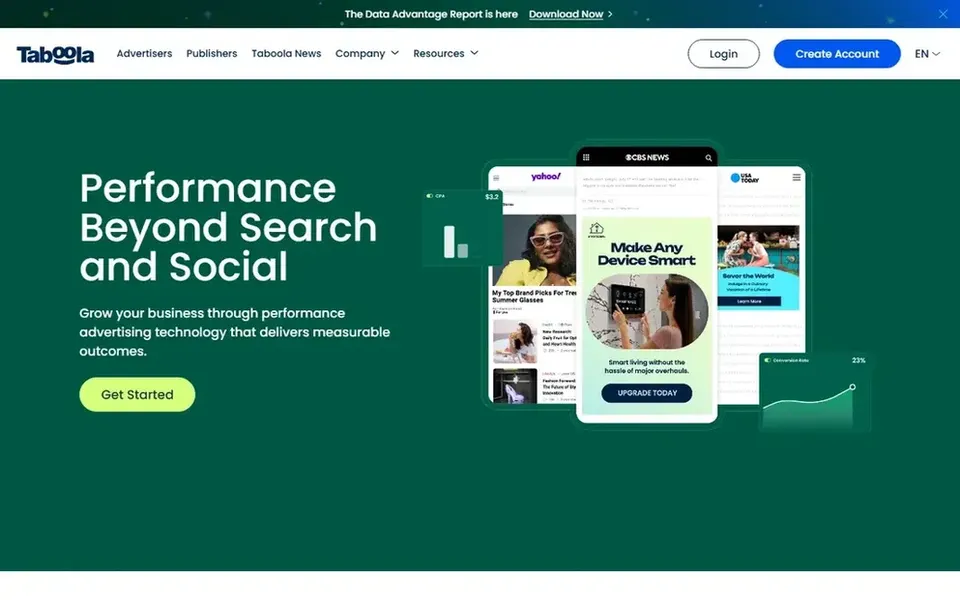
Taboola serves large-scale content distribution and publisher engagement. Taboola is a performance advertising and content recommendation system used by advertisers to reach audiences beyond search and social, and by publishers to win back engagement. Its publisher tools bundle on-site answer experiences targeted at keeping readers engaged.
Honest limits: Can need continuing optimization.
Beyond that, consider MGID or Revcontent if you want a native-focused alternative with different inventory. In practice, advertisers with narrow audiences may prefer a more targeted DSP. This comparison lists no price for Taboola; ask the vendor. Free plan details: Not stated.
Best for: Native performance and programmatic advertising
Choose MGID for native performance and programmatic advertising. Native campaigns depend heavily on creative and landing page quality, so results need testing and monitoring.
Watch-outs: Creative quality drives results.
In daily use, consider Revcontent if you want a native product with an emphasis on first-party signals. This comparison lists no price for MGID; ask the vendor. Free options: Not stated.
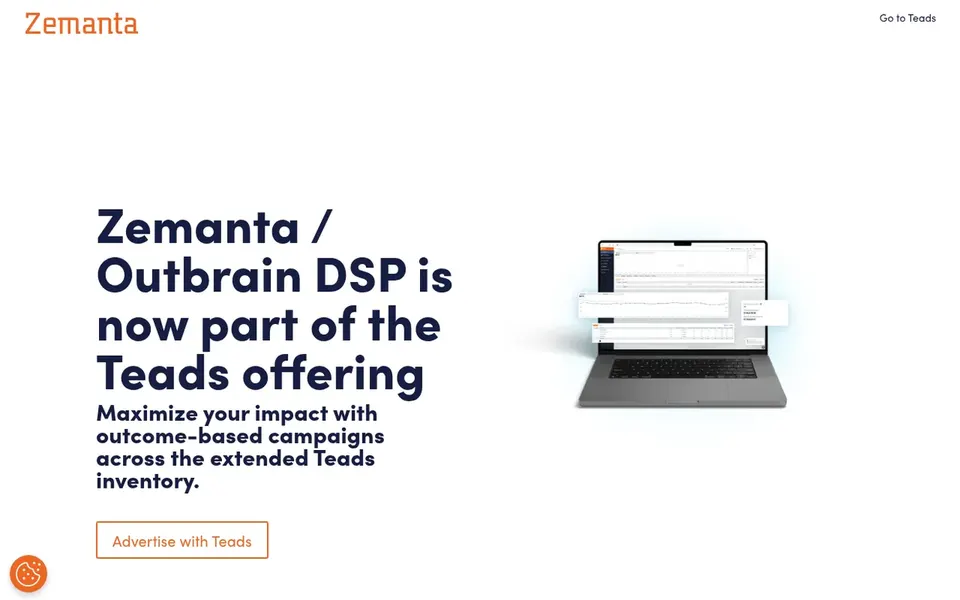
Zemanta was built for programmatic multi-channel performance. Zemanta gives you Zemanta One, described as a multi-channel demand-side product aimed at performance.
Limits to weigh: Less publisher-side focus.
It is targeted at advertisers and agencies that want programmatic buying across channels from a single system. On top of that, a DSP approach assumes familiarity with programmatic setup, bidding and measurement, which can be a hurdle for smaller teams. No starting price is listed for Zemanta here; confirm pricing on the vendor site. Trial and free access: Not stated.
Revcontent is a good fit for first-party signal native advertising. Revcontent is a performance-driven native advertising product for publishers and advertisers. It targets ads using content and first-party signals, with restricted reliance on external cookies and a cookieless mode for publishers.
Beyond that, reach may be smaller than the largest native networks, so scale expectations should be set accordingly. Campaigns still need continuing optimization to perform. This comparison lists no price for Revcontent; ask the vendor. On free options: Not stated.
Best for: Direct response and content monetization
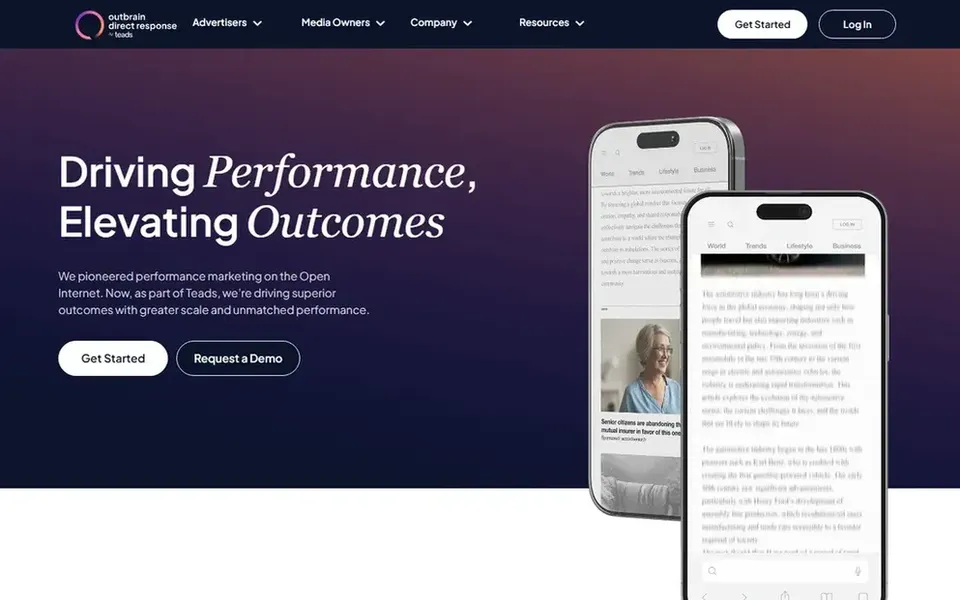
Outbrain is a good fit for direct response and content monetization. Advertisers use it to drive measurable outcomes beyond standard display, whereas publishers use it to monetize their content.
What to check first: Setup can take time.
Smaller advertisers may find budget minimums and setup effort a consideration. Also, since Outbrain is a large network, competition for placements can be significant and results vary with creative and targeting quality. Check the vendor site for Outbrain pricing; none is listed in this comparison. Free options: Not stated.
Request quotes from Taboola, Outbrain and the others; the list shows no fixed prices.
Read the limits listed for Taboola first: can need continuing optimization.
Ask MGID about contract length, onboarding fees and user minimums before you sign.
Work out what Revcontent costs with your real seat count, add-ons and usage, not just the entry price.
Before you load data into Taboola, check what an export looks like and who can run it.
How we picked
Pricing pages, product documentation and feature lists were the main sources, and every entry carries at least one honest drawback. Plan names, prices and limits change often. Treat the figures here as a starting point and verify them with the vendor. Position on the page reflects fit for a typical buyer first, with price clarity and free access breaking ties. Treat it as a guide, not a ruling. This applies to all 5 Dianomi alternatives options compared here.
Every price and plan detail on this page comes from the vendors’ own websites. We did not run hands-on tests unless the text says so, and we do not publish star ratings or review scores. See how we score and our disclosure.
Keep your shortlist in one place
Paste prices, trial dates and notes from this guide into Ainotely, our AI note app. It files them into a topic and pulls out tasks like “cancel trial by Friday”. Free 7-day trial, no card needed.
The order follows typical fit for Dianomi, with Taboola first and Outbrain last, then price clarity and free access. It is editorial judgement, not a score, so another team could rank the tools differently.
Does any tool for Dianomi here have a free plan?
No tool in this list, Taboola and Outbrain included, has a permanent free plan. Trials and quotes are the usual route, so plan a short evaluation period.
Is Taboola the right pick for everyone comparing Dianomi?
No single tool suits every team. Taboola comes first because it fits large-scale content distribution and publisher engagement, while MGID suits native performance and programmatic advertising and Zemanta suits programmatic multi-channel performance. Match the tool to your own size, budget and workflow before deciding.
Can I try these tools before paying?
Not by default. None of the tools, from Taboola to Outbrain, lists a free plan or a free trial here, so ask each vendor for a demo before committing. Pricing, free plan details and limits for all 5 tools in this Dianomi alternatives roundup sit on the individual cards above.
What is the closest alternative to Dianomi for native advertising?
Outbrain and Taboola are the most direct alternatives for native content distribution, since both focus on content recommendation and performance advertising. The best fit relies on whether you prioritize scale or first-party signal targeting.