For governed workflows, agents and applications, Mendix is where this list starts. If your case is different, Microsoft Power Apps suits low-code apps in Microsoft environments and OutSystems suits Modernizing legacy systems with custom apps. The full list of 5 tools follows, with prices and free plan facts.
Ainotely compared 5 tools for Pega. The goal is a practical shortlist: published prices, free plan facts, best-fit use cases and honest limits for every entry.
Key takeaways
Mendix sits first on this list: governed workflows, agents and applications.
Only Microsoft Power Apps offers a free plan among these 5 tools.
Pricing across the list, from Mendix to Appian, is by quote only.
Appian fits AI process orchestration across systems.
Best for: Governed workflows, agents and applications
Mendix serves governed workflows, agents and applications. It emphasizes modernizing what you already run, building what is next, and putting AI to work inside governed processes.
Trade-offs to know: Governance setup takes effort.
For everyday use, if your need is a single straightforward app, a lighter builder could get you there faster. Teams new to low-code may need training before the hybrid workforce vision pays off. Check the vendor site for Mendix pricing; none is listed in this comparison. Trial and free access: Not stated.
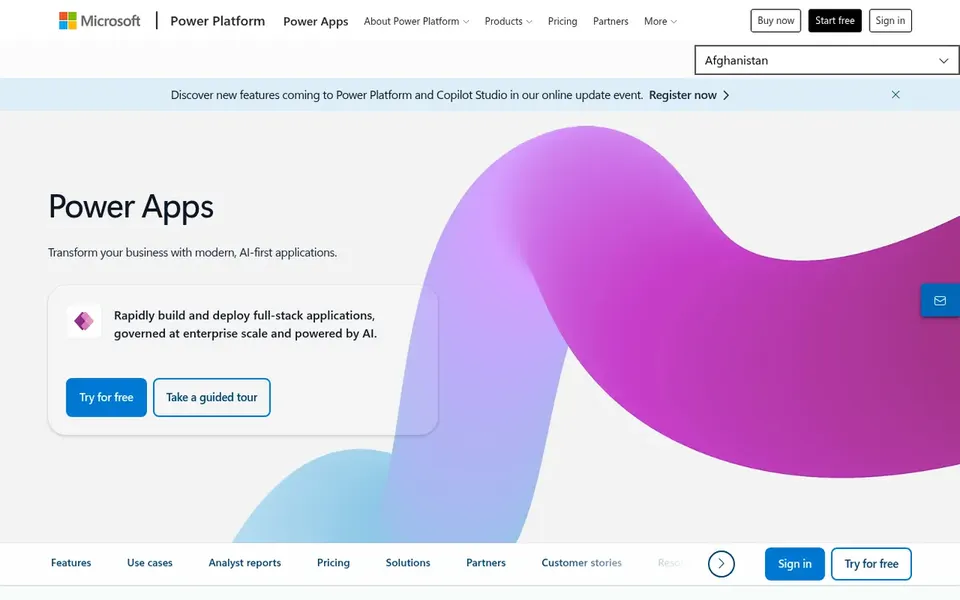
Microsoft Power Apps is designed for low-code apps in Microsoft environments. Teams with citizen developers benefit from a familiar environment and a consistent building approach.
Where it falls short: Governance needed as apps multiply.
As for the details, if you need deep process orchestration across numerous non-Microsoft systems, a dedicated orchestration system may be a better fit. Microsoft Power Apps does not show a starting price in this comparison, so check the vendor site for current pricing. Microsoft Power Apps offers a free plan.
Best for: Modernizing legacy systems with custom apps
OutSystems is designed for Modernizing legacy systems with custom apps. OutSystems helps enterprises modernize legacy systems and run custom apps and AI agents to meet customer and regulatory demands.
For everyday use, modernization programs are substantial efforts, so the system performs best with a clear roadmap and committed delivery teams. On top of that, the emphasis on confidence in building recommends a focus on governed, production-grade delivery instead of fast departmental experiments. This comparison lists no price for OutSystems; ask the vendor. Free plan details: Not stated.
Limits to weigh: Needs clear modernization roadmap.
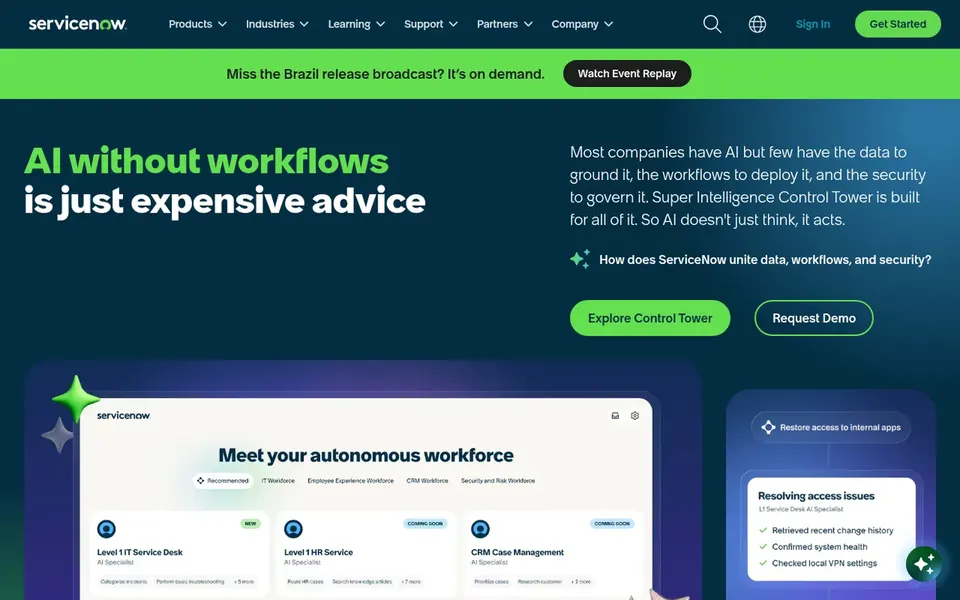
Where ServiceNow fits: enterprise workflow standardization. ServiceNow presents its AI Platform as a way to simplify enterprise workflows, enabling both customers and employees across the business.
Points against: Wide system needs careful scoping.
It suits enterprises that value consistency and shared process foundations over numerous disconnected point tools. ServiceNow shows no starting price here, so confirm the cost on the vendor site. Free options: Not stated.
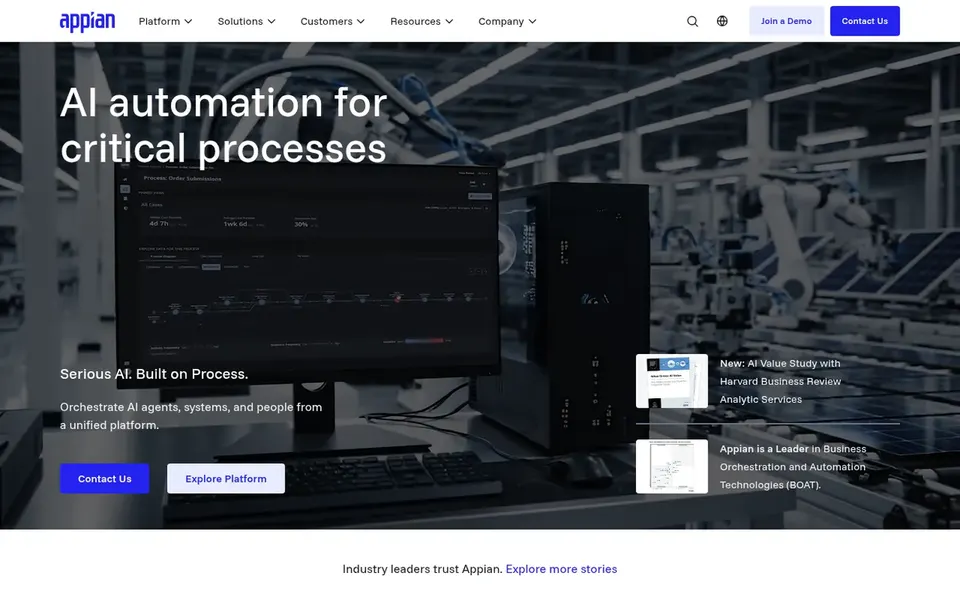
Appian serves AI process orchestration across systems. That makes it a natural fit for organizations that want to layer automation and AI coordination on top of existing applications instead of rebuild from scratch.
Where it is weaker: Enterprise-oriented scope.
If your priority is a light app builder inside an existing productivity suite, a system tied to that suite may be a more straightforward starting point. Pricing for Appian is not stated here, so ask the vendor for current figures. Free options: Not stated.
Confirm the entry price with every vendor: no tool from Mendix to Appian shows a fixed starting price.
Look at the free plan from Microsoft Power Apps closely: its caps decide whether it is usable for real work.
Before choosing Mendix, weigh its main limit: governance setup takes effort.
Confirm that ServiceNow connects to the apps your team already uses, on the plan you would actually buy.
Price OutSystems for your actual team size; headline prices rarely include add-ons or overage.
How we picked
We compared the tools on published pricing, free plan or trial availability, feature coverage for Pega, and the limits each vendor documents. Where a vendor does not publish a price, the entry says quote. Where a price depends on seats or billing term, the entry says so. We ordered the tools by general fit, then by how clearly pricing is shown, then by free access. A buyer with unusual needs may reorder them.
Every price and plan detail on this page comes from the vendors’ own websites. We did not run hands-on tests unless the text says so, and we do not publish star ratings or review scores. See how we score and our disclosure.
Keep your shortlist in one place
Paste prices, trial dates and notes from this guide into Ainotely, our AI note app. It files them into a topic and pulls out tasks like “cancel trial by Friday”. Free 7-day trial, no card needed.
No. None of the tools, from Mendix to Appian, shows a fixed starting price here, so budget time for quotes.
Is Mendix the right pick for everyone comparing Pega?
No single tool suits every team. Mendix comes first because it fits governed workflows, agents and applications, while Microsoft Power Apps suits low-code apps in Microsoft environments and OutSystems suits Modernizing legacy systems with custom apps. Match the tool to your own size, budget and workflow before deciding.
How are the tools for Pega ordered?
Mendix sits first and Appian last because the order follows typical fit for Pega, then price clarity and free access. It is a judgement call, so read each profile for fit and limits.
Can I combine these platforms with existing systems?
Most of these products are built to work alongside existing systems instead of replace them outright. More specifically, Appian states this straight, and others emphasize integration and modernization. Confirm specific connectors and integration patterns on each vendor site.
Can I try these tools before paying?
Often, yes. Microsoft Power Apps has a free plan. Use your own data and a real task during the test, and check what the free tier or trial limits before you rely on it.
What should I look for in a Pega alternative?
Then compare how each product manages orchestration, integration, governance and AI agents. A product that suits your existing ecosystem typically cuts adoption effort.