Start with Zemanta if you need multi-channel DSP for performance. For a different need, MGID covers Native performance plus programmatic and Revcontent covers performance native with cookieless targeting. The full list of 5 tools follows, with prices and free plan facts.
Zemanta was built for multi-channel DSP for performance. Zemanta supplies Zemanta One, described on its homepage as a multi-channel demand-side system aimed at performance. As for the details, instead of a pure native network, it positions itself as programmatic ad technology for buyers who want to run performance campaigns across channels.
Where it falls short: DSP setup needs expertise.
Advertisers already comfortable with DSP workflows may find it a handy alternative when native is one part of a broader media plan. In daily use, pick Zemanta when you want a performance DSP that spans several channels rather than native alone. On top of that, teams new to programmatic buying may face a ramp-up time. Zemanta does not show a starting price in this comparison, so check the vendor site for current pricing. As for free access: Not stated.
Pick MGID if this describes you: Native performance plus programmatic. Its stated vision is to nurture a new stage of digital media where consumers engage with content and promoted advertisements in an equally positive way. This makes it relevant for advertisers seeking native performance at scale and for publishers wanting programmatic demand alongside content-friendly ad formats.
Smaller advertisers should confirm that self-service choices match their workflow. For everyday use, MGID spans both native and programmatic, so teams wanting a single narrow specialty may have to evaluate fit carefully. MGID does not show a starting price in this comparison, so check the vendor site for current pricing. Free options: Not stated.
The main drawbacks: Wide positioning can blur focus.
Best for: Performance native with cookieless targeting
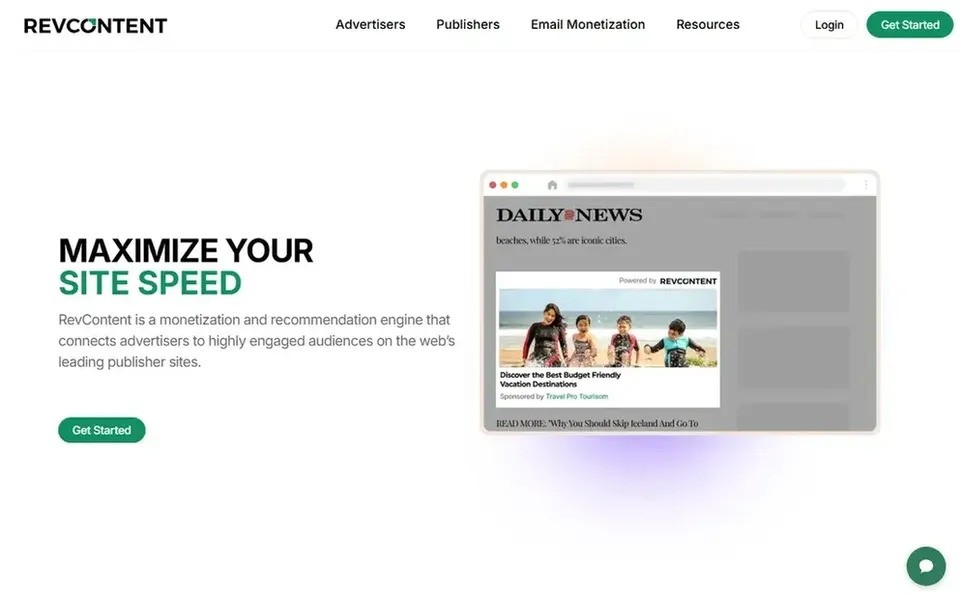
For performance native with cookieless targeting, Revcontent is a natural candidate. Revcontent describes itself as a performance-driven native advertising system for publishers and advertisers. Its homepage notes performance-priced native ads targeted on content and first-party signals, with restricted external cookies and a cookieless mode for publishers.
Where it is weaker: Native format focus only.
For everyday use, the system concentrates on native advertising, so buyers needing display or multi-channel demand may prefer a broader DSP. Beyond that, choose Revcontent when performance pricing and cookieless readiness matter most. Pricing for Revcontent is not stated here, so ask the vendor for current figures. As for free access: Not stated.
Native Ads serves self-serve native and display buying. Self-serve systems put campaign management and quality monitoring in your hands, which takes time and attention.
Pick Native Ads when self-serve control over native and display buying is the priority. No starting price is listed for Native Ads here; confirm pricing on the vendor site. Trial and free access: Not stated.
Where it falls short: Self-serve needs hands-on management.
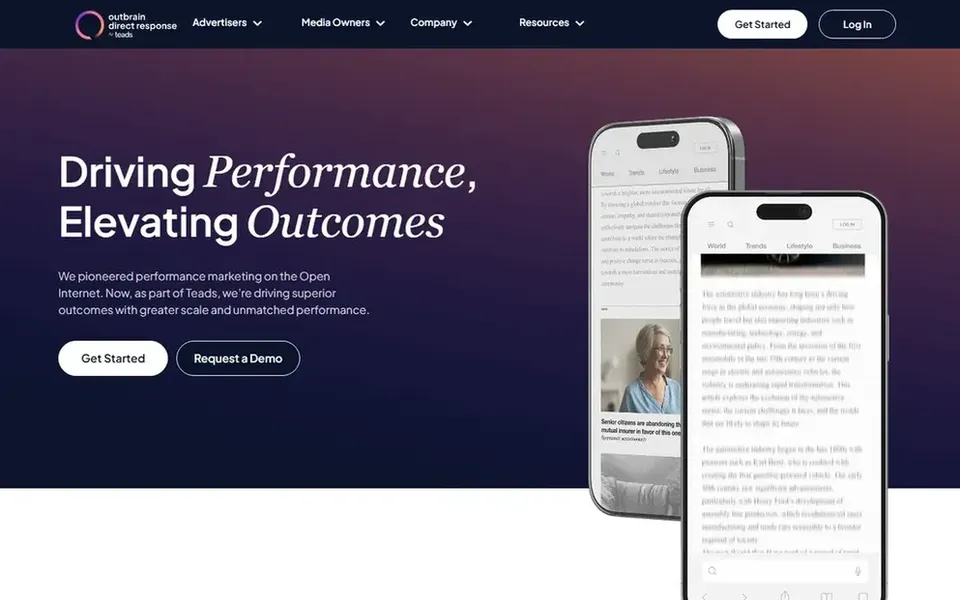
Outbrain makes the most sense for direct response native campaigns. Publishers with niche audiences should compare monetization terms across systems.
Downsides: Less emphasis on cookieless targeting.
In practice, pick Outbrain when native reach and performance-focused campaigns are the priority. Teams looking for a well-known Taboola alternative frequently start here since the native format and content-driven placements are familiar. This comparison lists no price for Outbrain; ask the vendor. Trial and free access: Not stated.
Request quotes from Zemanta, Outbrain and the others; the list shows no fixed prices.
Read the limits listed for Zemanta first: less publisher monetization emphasis.
Confirm that Zemanta connects to the apps your team already uses, on the plan you would actually buy.
A short pilot of Native Ads with your real workflow tells you more than a feature table.
Check the support hours and onboarding help Outbrain offers; smaller vendors vary a lot here.
How we picked
Each tool was reviewed on what its vendor publishes: price, plan limits, core features and stated drawbacks. We did not run hands-on tests. Plan names, prices and limits change often. Treat the figures here as a starting point and verify them with the vendor. The order reflects how well each tool fits the most common buying scenario for Taboola, then price clarity, then free plan access. It is a starting point, not a verdict.
Every price and plan detail on this page comes from the vendors’ own websites. We did not run hands-on tests unless the text says so, and we do not publish star ratings or review scores. See how we score and our disclosure.
Keep your shortlist in one place
Paste prices, trial dates and notes from this guide into Ainotely, our AI note app. It files them into a topic and pulls out tasks like “cancel trial by Friday”. Free 7-day trial, no card needed.
Not by default. None of the tools, from Zemanta to Outbrain, lists a free plan or a free trial here, so ask each vendor for a demo before committing. Each of the 5 options in this Taboola alternatives guide has its own card above with the price, free plan and limits.
What is the best Taboola alternative for native advertising?
Zemanta comes first here and is built for multi-channel DSP for performance. Buyers with other needs may prefer MGID (for Native performance plus programmatic) or Revcontent (for performance native with cookieless targeting). Compare costs and limits first.
Is Zemanta the right pick for everyone comparing Taboola?
No single tool suits every team. Zemanta comes first because it fits multi-channel DSP for performance, while MGID suits Native performance plus programmatic and Revcontent suits performance native with cookieless targeting. Match the tool to your own size, budget and workflow before deciding.
Do these tools publish their prices?
No. None of the tools, from Zemanta to Outbrain, shows a fixed starting price here, so budget time for quotes. All 5 picks in this Taboola alternatives comparison show their pricing, free plan details and main limits on the cards above.
How are the tools for Taboola ordered?
Zemanta sits first and Outbrain last because the order follows typical fit for Taboola, then price clarity and free access. It is a judgement call, so read each profile for fit and limits.