This list puts Rancher first for multi-cluster Kubernetes management and security. Google Kubernetes Engine is the stronger choice for completely managed Kubernetes with autoscaling, while Microsoft Azure Kubernetes Service suits secure managed clusters on Azure. The full list of 6 tools follows, with prices and free plan facts.
Ainotely put together this guide to AI container orchestration tools for readers who want a clear shortlist without reading every vendor page. It compares 6 tools on starting price, free plans, who each one suits and where each one falls short.
Key takeaways
Rancher is the opening pick, best for multi-cluster Kubernetes management and security.
Red Hat OpenShift fits integrated platform for modern apps and AI.
One limit worth knowing about Rancher: layers on a management layer to learn.
No starting price is shown for any of the 6 tools, Rancher and Red Hat OpenShift included, so plan time for sales calls.
Best for: Multi-cluster Kubernetes management and security
Rancher is a good fit for multi-cluster Kubernetes management and security. Compare edition capabilities and support choices on the vendor site before deciding.
Rancher runs clusters instead of replacing them, so the underlying infrastructure and cluster operations remain your responsibility. Teams with a single cluster on one cloud may not need the additional layer. Pricing for Rancher is not stated here, so ask the vendor for current figures. Free access: Not stated.
Best for: Completely managed Kubernetes with autoscaling
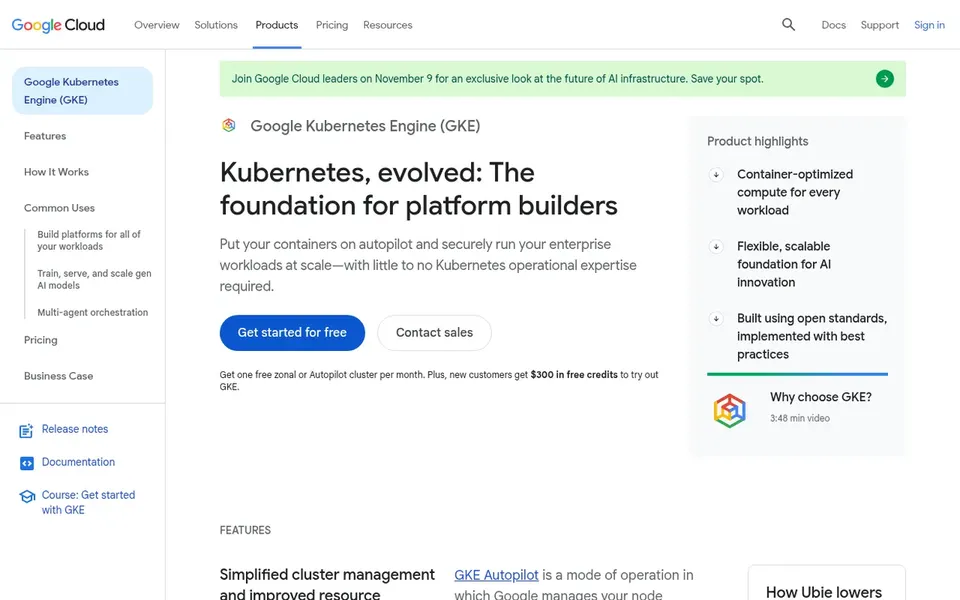
Google Kubernetes Engine works best for completely managed Kubernetes with autoscaling. Google Kubernetes Engine is presented as a completely managed Kubernetes service with the full Kubernetes API, four-way autoscaling, release channels, and multi-cluster support.
Where it is weaker: Deepest fit is within Google Cloud.
The service is most natural when your workloads already live in Google Cloud, and cross-cloud teams may prefer a neutral management layer. Check current regional availability and feature limits on the vendor page before committing. Check the vendor site for Google Kubernetes Engine pricing; none is listed in this comparison. Trial and free access: Not stated.
Microsoft Azure Kubernetes Service is built with secure managed clusters on Azure in mind. Security and scalability depend heavily on how clusters and policies are configured. Confirm supported versions, regional choices, and integration details on the vendor page.
In daily use, Microsoft Azure Kubernetes Service is described as a way to deploy and handle secure, scalable containerized applications with quick delivery on managed Kubernetes clusters. The service is most compelling for Azure-centered estates, and multi-cloud teams may want a management layer that spans providers. Check the vendor site for Microsoft Azure Kubernetes Service pricing; none is listed in this comparison. Free options: Not stated.
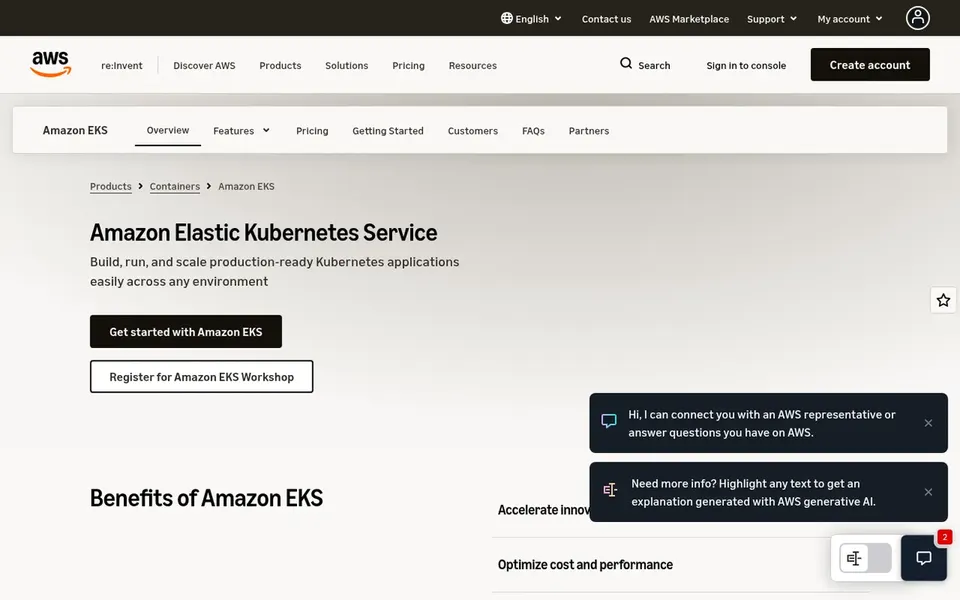
Choose Amazon Elastic Kubernetes Service for AWS and on-premises Kubernetes. Review networking, identity, and upgrade responsibilities on the vendor site, since these shape daily operations.
Teams standardized on another cloud may prefer that provider's managed offering. No starting price is listed for Amazon Elastic Kubernetes Service here; confirm pricing on the vendor site. Free plan details: Not stated.
The main drawbacks: Operational depth varies by deployment mode.
Best for: Enterprise container management across Kubernetes and Docker
Mirantis Kubernetes Engine works best for enterprise container management across Kubernetes and Docker. Mirantis Kubernetes Engine is described as managed enterprise container management, with private and managed container orchestration for Kubernetes, Docker, and more.
More specifically, supporting several container technologies can mean more moving parts to operate and govern. In practice, teams that are purely Kubernetes-native may find a focused managed service more straightforward. Pricing for Mirantis Kubernetes Engine is not stated here, so ask the vendor for current figures. Free options: Not stated.
What to check first: Broader scope can add complexity.
Best for: Integrated product for modern apps and AI
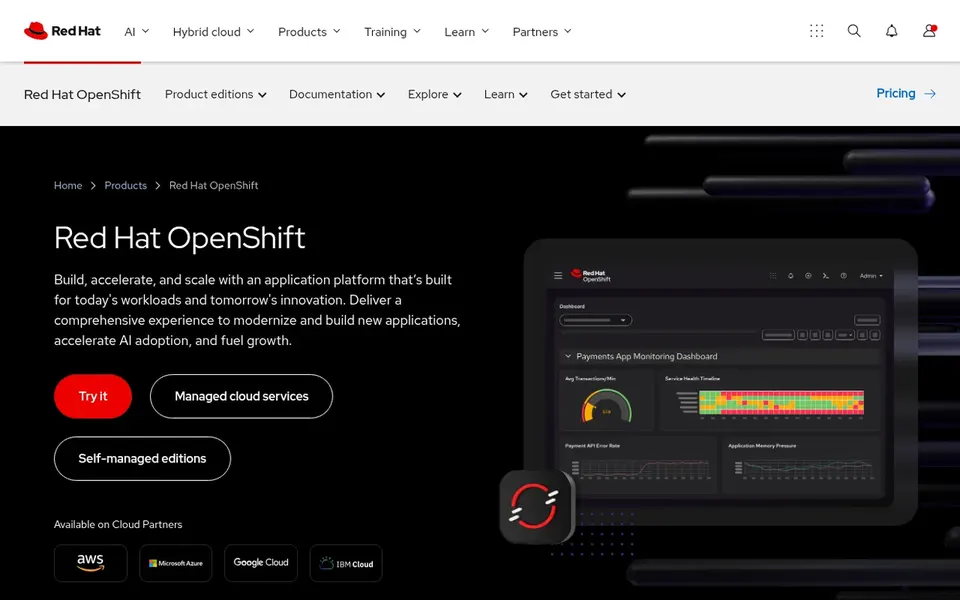
Red Hat OpenShift targets integrated platform for modern apps and AI. If your priority is a single-cloud managed Kubernetes endpoint with little product overhead, a cloud-native service may be more straightforward.
The main drawbacks: Wide platform scope can mean more to learn.
Confirm supported configurations and operational responsibilities on the vendor site. Red Hat OpenShift does not show a starting price in this comparison, so check the vendor site for current pricing. Trial and free access: Not stated.
Confirm the entry price with every vendor: no tool from Rancher to Red Hat OpenShift shows a fixed starting price.
Read the limits listed for Rancher first: layers on a management layer to learn.
Look at the renewal terms for Microsoft Azure Kubernetes Service: auto-renewal, notice periods and price changes can matter more than the first-year price.
Check the support hours and onboarding help Rancher offers; smaller vendors vary a lot here.
Total up the real monthly cost of Google Kubernetes Engine, including add-ons, extra users and usage-based fees.
How we picked
Each tool was reviewed on what its vendor publishes: price, plan limits, core features and stated drawbacks. We did not run hands-on tests. Plan names, prices and limits change often. Treat the figures here as a starting point and verify them with the vendor. Tools are placed by general fit for AI container orchestration tools, with price clarity and free access as tie-breakers. A different team can reasonably rank them differently.
Every price and plan detail on this page comes from the vendors’ own websites. We did not run hands-on tests unless the text says so, and we do not publish star ratings or review scores. See how we score and our disclosure.
Keep your shortlist in one place
Paste prices, trial dates and notes from this guide into Ainotely, our AI note app. It files them into a topic and pulls out tasks like “cancel trial by Friday”. Free 7-day trial, no card needed.
How are the tools for AI container orchestration tools ordered?
The order follows typical fit for AI container orchestration tools, with Rancher first and Red Hat OpenShift last, then price clarity and free access. It is editorial judgement, not a score, so another team could rank the tools differently.
What should I look for in an AI container orchestration tool?
Focus on how much cluster management the vendor deals with, whether it supports your cloud and on-premises environments, and how it suits your security and identity requirements.
Does any tool for AI container orchestration tools here have a free plan?
No tool in this list, Rancher and Red Hat OpenShift included, has a permanent free plan. Trials and quotes are the usual route, so plan a short evaluation period.
Is Rancher the right pick for everyone comparing AI container orchestration tools?
No single tool suits every team. Rancher comes first because it fits multi-cluster Kubernetes management and security, while Google Kubernetes Engine suits fully managed Kubernetes with autoscaling and Microsoft Azure Kubernetes Service suits secure managed clusters on Azure. Match the tool to your own size, budget and workflow before deciding.
Do these tools publish their prices?
No. None of the tools, from Rancher to Red Hat OpenShift, shows a fixed starting price here, so budget time for quotes.