This list puts Assort Health first for AI voice agents for scheduling and triage. Look at Klara for reducing staff workload via patient access, and at Artera for automating outreach across EHRs. Details, prices and limits for the rest of the 6 tools are below.
Ainotely put together this guide to AI patient engagement & operations software for startups for readers who want a clear shortlist without reading every vendor page. It compares 6 tools on starting price, free plans, who each one suits and where each one falls short.
Key takeaways
The list opens with Assort Health, aimed at AI voice agents for scheduling and triage.
Before buying Notable, weigh this: focus on bigger operational workflows.
Pricing across the list, from Assort Health to Luma Health, is by quote only.
Luma Health is the one to check for wide patient engagement and communication.
None of the 6 tools, from Assort Health to Luma Health, has a free plan, so budget for a subscription or use a trial.
Best for: AI voice agents for scheduling and triage
Assort Health was built for AI voice agents for scheduling and triage. Since Assort Health is voice-centric, teams that prefer text or web chat may find it less complete. The product is designed for rapid deployment in clinical settings.
Consider a multi-channel product if voice is only one part of your engagement strategy. Startups that depend on phone-based patient interactions can use it to automate calls and cut staff load. This comparison lists no price for Assort Health; ask the vendor. Free access: Not stated.
Limits to weigh: Voice-centric may limit text-first teams.
Best for: Reducing staff workload via patient access
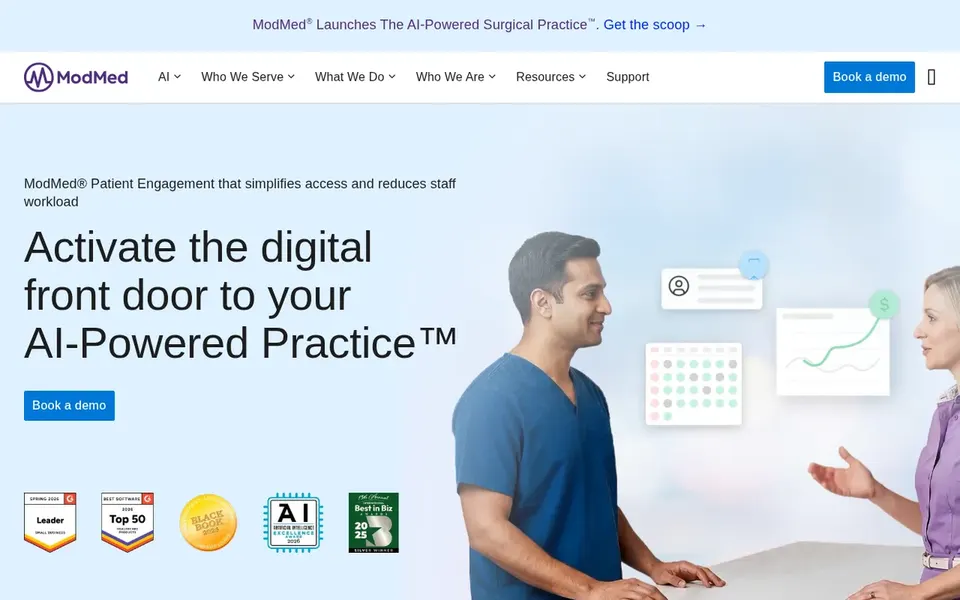
Klara was built for reducing staff workload via patient access. It offers AI-powered tools for scheduling, digital intake, and quicker payments, making it a fit for startups that want to automate front-office tasks.
Points against: Tied to ModMed stack.
Also, since Klara is part of the ModMed ecosystem, its standalone adaptability may be restricted for startups using other EHRs. No starting price is listed for Klara here; confirm pricing on the vendor site. As for free access: Not stated.
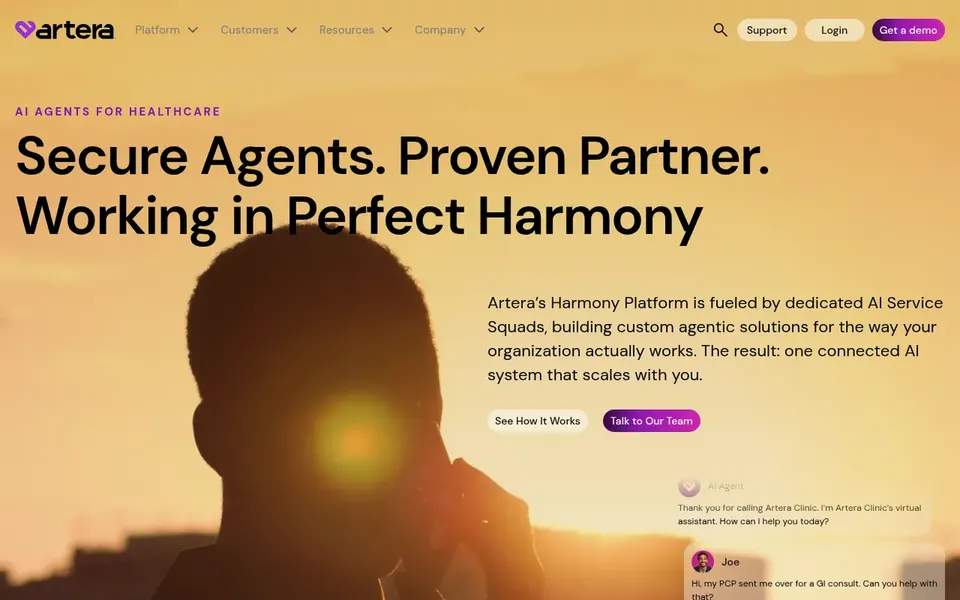
Artera is aimed squarely at automating outreach across EHRs. If you need a narrow point option, a more straightforward tool may be better. As for the details, the breadth of Artera's automation may be more than a small startup can absorb initially.
The main drawbacks: Wide scope may overwhelm small teams.
Also, Artera offers AI agents called service squads that automate calls, intake, scheduling, and payments across every EHR. This makes it right for startups that require to cut manual outreach and unify patient communication regardless of their underlying clinical system. Pricing for Artera is not stated here, so ask the vendor for current figures. On free options: Not stated.
Notable serves AI agents for access and revenue cycle. Notable's emphasis on revenue cycle and care operations may suit expanding organizations more than very early startups.
Trade-offs to know: May need configuration for startups.
From a buyer's view, Notable is an AI system purpose-built for healthcare, with agents that automate patient access, revenue cycle, and care operations. The system is designed around healthcare-specific workflows instead of generic automation. Notable shows no starting price here, so confirm the cost on the vendor site. Free access: Not stated.
Hyro is designed for agentic care communications. Pricing and implementation details are best discussed straight with the vendor.
Drawbacks to consider: May be oriented to bigger organizations.
Worth adding: Hyro provides agentic care communications geared toward making care simple to access, ask about, and act on. It is positioned for healthcare organizations that want to automate patient interactions and boost access. Hyro shows no starting price here, so confirm the cost on the vendor site. Free options: Not stated.
Best for: Wide patient engagement and communication
Luma Health serves wide patient engagement and communication. Consider alternatives if you need deep voice automation or revenue cycle support from day one. Luma Health may be more than a very early-stage startup needs if you only need entry-level scheduling.
Drawbacks to consider: May need integration effort.
Its broader engagement suite can add complexity, so smaller teams should confirm which modules are essential. As for the details, Luma Health is a patient engagement system built to help healthcare organizations communicate with patients and run access. It usually contains scheduling, reminders, and outreach tools that fit startups looking to build a patient communication layer without heavy custom development. Luma Health does not show a starting price in this comparison, so check the vendor site for current pricing. Free plan details: Not stated.
Confirm the entry price with every vendor: no tool from Assort Health to Luma Health shows a fixed starting price.
Before choosing Assort Health, weigh its main limit: voice-centric may limit text-first teams.
Look at which plan of Assort Health unlocks the features you need; entry tiers are often cut down.
Check how data leaves Notable: formats, limits and whether exports are available on every plan.
Price Klara for your actual team size; headline prices rarely include add-ons or overage.
How we picked
Selection started from tools commonly considered for AI patient engagement & operations software for startups, then narrowed to 6 that have clear pricing information or a clear quote process. Prices and plan limits come from vendor pages and can change, so confirm them on the vendor site before you buy. Order on the page follows fit for the typical buyer first, then price transparency and free access. Your own requirements should decide the final pick.
Every price and plan detail on this page comes from the vendors’ own websites. We did not run hands-on tests unless the text says so, and we do not publish star ratings or review scores. See how we score and our disclosure.
Keep your shortlist in one place
Paste prices, trial dates and notes from this guide into Ainotely, our AI note app. It files them into a topic and pulls out tasks like “cancel trial by Friday”. Free 7-day trial, no card needed.
Not by default. None of the tools, from Assort Health to Luma Health, lists a free plan or a free trial here, so ask each vendor for a demo before committing.
Does any tool for AI patient engagement & operations software for startups here have a free plan?
A permanent free plan is not offered by Assort Health, Luma Health or the other tools here. Plan a short evaluation period instead.
Can these products work with several EHRs?
Some systems, for example Artera, state that they work across every EHR, whereas others may be tied to specific systems like ModMed. Always confirm integration compatibility with your EHR before selecting a tool. Startups should also ask about data synchronization and setup effort.
Do these tools publish their prices?
No. None of the tools, from Assort Health to Luma Health, shows a fixed starting price here, so budget time for quotes.
How are the tools for AI patient engagement & operations software for startups ordered?
The order follows typical fit for AI patient engagement & operations software for startups, with Assort Health first and Luma Health last, then price clarity and free access. It is editorial judgement, not a score, so another team could rank the tools differently.