If you need AI-driven patient communication across EHRs, Artera is the first tool to look at here. Listed starting prices: Weave from $199 a month. For a different need, Weave covers small business communication system and Phreesia covers patient intake and revenue growth. The remaining 3 options are covered below with prices and limits.
If you are comparing AI patient engagement & operations software, this page covers 6 tools in one place: what each is best for, what it costs to start, whether it has a free plan, and the main limit to know about.
Key takeaways
Artera takes the first slot, best suited to AI-driven patient communication across EHRs.
The cheapest monthly starting price in the list is $199 per month, offered by Weave.
One limit worth knowing about Artera: focus on communication, not full operations.
A permanent free plan is missing from all 6 tools, Artera and Notable included; plan for a trial or a premium start.
Notable suits AI system for healthcare operations.
Best for: AI-driven patient communication across EHRs
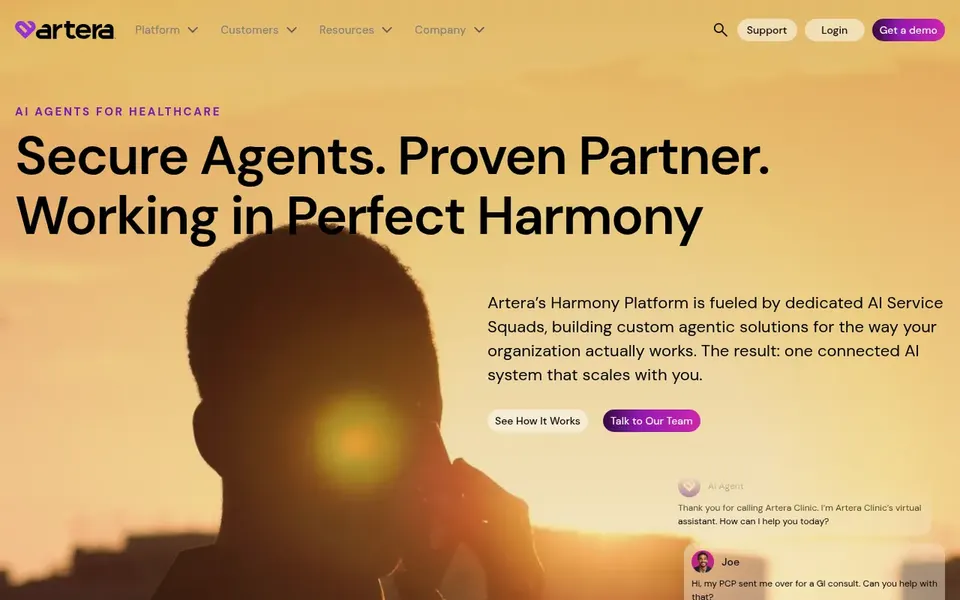
For AI-driven patient communication across EHRs, Artera is a natural candidate. Its AI Service Squads are meant to cut manual outreach and revenue loss, making it well suited to healthcare organizations seeking to simplify patient interactions without changing their EHR.
Pricing for Artera is not stated here, so ask the vendor for current figures. Free options: Not stated.
Limits to weigh: May need setup for EHR integration.
In short, Weave is for small business communication product. Weave lacks healthcare-specific features like EHR integration or patient intake workflows.
For everyday use, choose Weave for general small business communication instead of specialized medical operations. On cost, Weave starts like this: $199 per month. Weave does not include a free plan.
What to check first: May lack specialized clinical features.
Think of Phreesia for patient intake and revenue growth. Phreesia gives you patient intake software that helps healthcare organizations increase revenue and cut no-shows. By automating intake and payment processes, it aims to end front-desk chaos and boost efficiency.
Limits to weigh: May need patient adoption.
It is well-suited for practices looking to simplify patient check-in and payment collection. Worth adding: Phreesia's core strength is intake, so it may not address broader operational automation like scheduling or care management. This comparison lists no price for Phreesia; ask the vendor. As for free access: Not stated.
Luma Health targets patient communication and access. Organizations needing deep back-office automation may need to explore other choices. As for the details, Luma Health provides a patient engagement system built to ease communication and access.
On top of that, consider Luma Health if patient communication is a primary focus. From a buyer's view, specific details about AI capabilities and integration depth are not completely documented on the homepage. No starting price is listed for Luma Health here; confirm pricing on the vendor site. Free options: Not stated.
The main drawbacks: Restricted public documentation.
Best for: Patient engagement and staff workload reduction
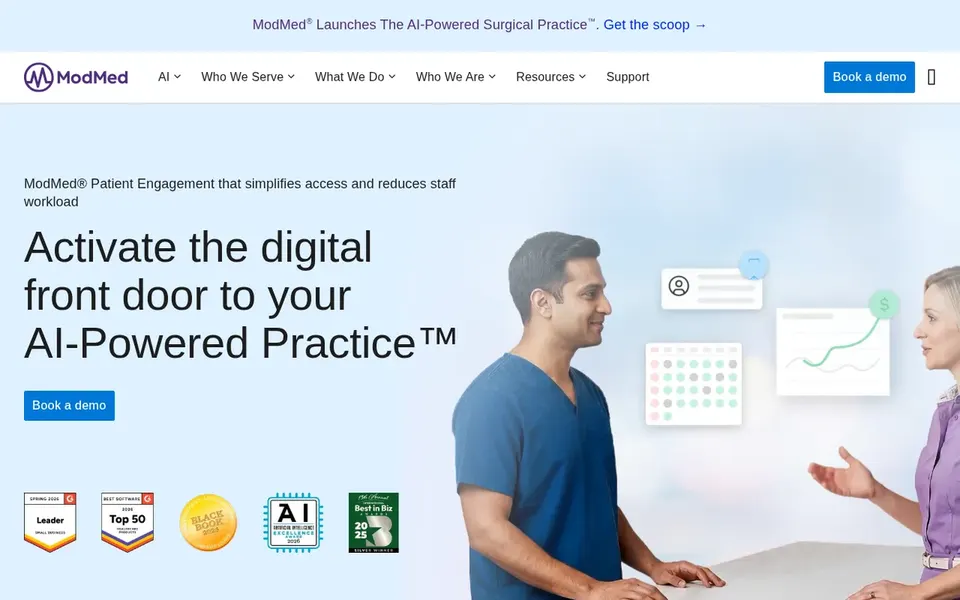
Pick Klara if this describes you: patient engagement and staff workload reduction. It bundles AI-powered tools for scheduling, digital intake, and quicker payments, making it a solid fit for practices using ModMed or seeking an integrated engagement option.
Beyond that, Klara is tightly integrated with ModMed, so organizations using other EHRs may face limitations. This comparison lists no price for Klara; ask the vendor. Free options: Not stated.
Notable serves AI product for healthcare operations. Notable gives you an AI product purpose-built for healthcare, with AI agents that automate patient access, revenue cycle, and care operations. It aims to provide healthcare teams more time for patients by reducing administrative work, making it a good match for organizations looking to automate back-office tasks.
Watch-outs: May need EHR integration.
Consider Notable for solid back-office AI automation. In practice, Notable concentrates on administrative automation and may not include patient-facing communication as deeply as other tools. It may require integration with existing EHRs. No starting price is listed for Notable here; confirm pricing on the vendor site. Free plan details: Not stated.
Ask Artera, Phreesia, Luma Health and others for a written quote, since no starting price is shown.
Read the limits listed for Artera first: focus on communication, not full operations.
Let daily users try Weave on real work; their feedback beats any feature checklist.
Ask Luma Health which support channels and response times come with the plan you would buy.
Test the integrations you rely on with Notable before committing; some connectors sit on upper tiers.
How we picked
For each of the 6 tools we noted price, free plan or trial, fit for AI patient engagement & operations software and the main limit, using vendor pages and documentation. Prices and plan limits come from vendor pages and can change, so confirm them on the vendor site before you buy. Order on the page follows fit for the typical buyer first, then price transparency and free access. Your own requirements should decide the final pick.
Every price and plan detail on this page comes from the vendors’ own websites. We did not run hands-on tests unless the text says so, and we do not publish star ratings or review scores. See how we score and our disclosure.
Keep your shortlist in one place
Paste prices, trial dates and notes from this guide into Ainotely, our AI note app. It files them into a topic and pulls out tasks like “cancel trial by Friday”. Free 7-day trial, no card needed.
Not by default. None of the tools, from Artera to Notable, lists a free plan or a free trial here, so ask each vendor for a demo before committing.
Is Artera the right pick for everyone comparing AI patient engagement & operations software?
No single tool suits every team. Artera comes first because it fits AI-driven patient communication across EHRs, while Weave suits small business communication platform and Phreesia suits patient intake and revenue growth. Match the tool to your own size, budget and workflow before deciding.
Do these tools publish their prices?
Not all of them. Artera, Phreesia, Luma Health and others publish no starting price, so expect a quote request for those. The rest, Weave included, show a starting price, though seats and billing terms still change the final cost.
Does any tool for AI patient engagement & operations software here have a free plan?
No tool in this list, Artera and Notable included, has a permanent free plan. Trials and quotes are the usual route, so plan a short evaluation period.
What is AI patient engagement software?
AI patient engagement software uses artificial intelligence to automate patient interactions for example scheduling, reminders, and intake. It helps healthcare organizations improve patient experience and cut staff workload. These tools commonly plug into EHRs to simplify workflows.