If you need hybrid cloud with autonomous operations, IBM Db2 is the first tool to look at here. Alternatives: SingleStore for live transactions and analytics together, and CockroachDB for resilient distributed global deployments. Prices, free plans and limits for all 5 tools follow.
Ainotely compared 5 AI relational databases. The goal is a practical shortlist: published prices, free plan facts, best-fit use cases and honest limits for every entry.
Key takeaways
Top of the list is IBM Db2, which targets hybrid cloud with autonomous operations.
Oracle Autonomous Database is the one to check for automation-heavy enterprise relational workloads.
A permanent free plan is missing from all 5 tools, IBM Db2 and Oracle Autonomous Database included; plan for a trial or a premium start.
Every tool from IBM Db2 to Oracle Autonomous Database works by quote, with no list price shown.
IBM Db2 targets hybrid cloud with autonomous operations. Db2 carries enterprise complexity, and teams new to IBM tooling face a ramp-up time. It is less obviously a fit for small projects or teams wanting a light managed service.
For everyday use, the hybrid positioning appeals to organizations with mixed infrastructure. In daily use, consider alternatives when hybrid deployment is not a requirement or when simplicity is the priority. IBM Db2 shows no starting price here, so confirm the cost on the vendor site. As for free access: Not stated.
The main drawbacks: Enterprise-oriented complexity.
Best for: Live transactions and analytics together
Pick SingleStore if this describes you: live transactions and analytics together. SingleStore describes itself as a live database for AI, apps and analytics, offering one engine for transactions and analytics with live reads and writes and open data access.
Drawbacks to consider: Specialized positioning.
Its specialization means teams with modest needs may find it more than required, and it can overlap with existing warehouses or operational databases. From a buyer's view, evaluate whether consolidating those workloads is a genuine goal. Check the vendor site for SingleStore pricing; none is listed in this comparison. Free plan details: Not stated.
Best for: Resilient distributed global deployments
CockroachDB is designed for resilient distributed global deployments. In daily use, for a single-region application with predictable load, that complexity may not pay off.
Where it is weaker: Overkill for single-region apps.
Beyond that, the distributed design is the core selling point instead of an add-on. On top of that, distributed systems introduce concepts that single-node databases avoid, so teams have to understand tradeoffs around latency and consistency. CockroachDB shows no starting price here, so confirm the cost on the vendor site. Trial and free access: Free trial.
Best for: Microsoft-centric shops adding AI to existing data
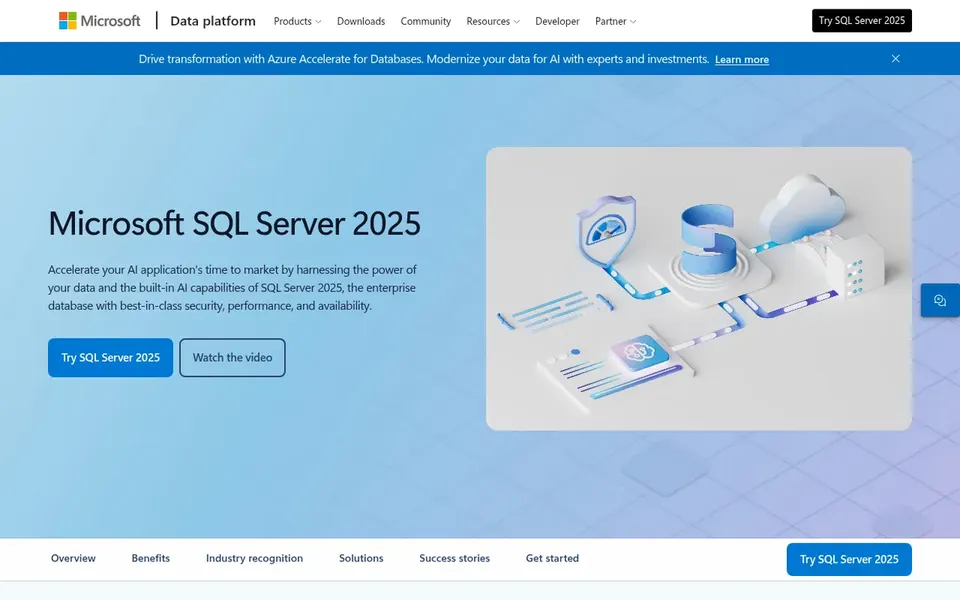
Microsoft SQL Server is designed for Microsoft-centric shops adding AI to existing data. The familiar tooling lowers friction for teams with existing skills.
From a buyer's view, Microsoft SQL Server is a long-standing relational database whose current release emphasizes developer-first features and integration with analytics and AI models. No starting price is listed for Microsoft SQL Server here; confirm pricing on the vendor site. On free options: Not stated.
Best for: Automation-heavy enterprise relational workloads
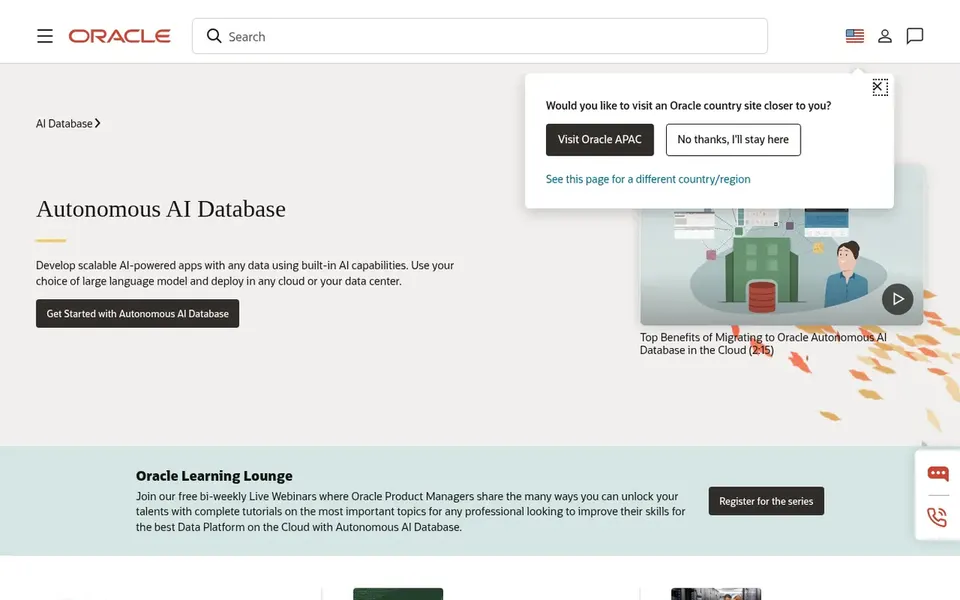
Oracle Autonomous Database is designed for automation-heavy enterprise relational workloads. Oracle Autonomous Database is positioned as an autonomous AI database, meaning much of the tuning and maintenance work is handled by the product itself.
Reasons to shortlist it: Capable enterprise data heritage.
Consider it when automation and enterprise depth matter more than onboarding speed. Teams planning AI features alongside transactional data will find the positioning relevant. Check the vendor site for Oracle Autonomous Database pricing; none is listed in this comparison. On free options: Not stated. Points against: Complicated for small teams.
Ask each vendor, from IBM Db2 to Oracle Autonomous Database, for a written quote; none of them publishes a starting price.
Use real work to test the free trial from CockroachDB, rather than a demo project.
Before choosing IBM Db2, weigh its main limit: enterprise-oriented complexity.
Look at which plan of CockroachDB unlocks the features you need; entry tiers are often cut down.
Before you load data into SingleStore, check what an export looks like and who can run it.
How we picked
Selection started from tools commonly considered for AI relational databases, then narrowed to 5 that have clear pricing information or a clear quote process. Seat minimums, billing terms and add-ons can move the real cost, so the starting prices here are a guide and not a quote. Order on the page follows fit for the typical buyer first, then price transparency and free access. Your own requirements should decide the final pick.
Every price and plan detail on this page comes from the vendors’ own websites. We did not run hands-on tests unless the text says so, and we do not publish star ratings or review scores. See how we score and our disclosure.
Keep your shortlist in one place
Paste prices, trial dates and notes from this guide into Ainotely, our AI note app. It files them into a topic and pulls out tasks like “cancel trial by Friday”. Free 7-day trial, no card needed.
No. None of the tools, from IBM Db2 to Oracle Autonomous Database, shows a fixed starting price here, so budget time for quotes.
Is IBM Db2 the right pick for everyone comparing AI relational databases?
No single tool suits every team. IBM Db2 comes first because it fits hybrid cloud with autonomous operations, while SingleStore suits real-time transactions and analytics together and CockroachDB suits resilient distributed global deployments. Match the tool to your own size, budget and workflow before deciding.
Does any tool for AI relational databases here have a free plan?
No tool in this list, IBM Db2 and Oracle Autonomous Database included, has a permanent free plan. CockroachDB offer a trial. Trials and quotes are the usual route, so plan a short evaluation period.
Can I try these tools before paying?
Often, yes. CockroachDB offers a free trial. Use your own data and a real task during the test, and check what the free tier or trial limits before you rely on it.