Start with Splunk Enterprise Security if you need unified TDIR in one platform. Listed starting prices: Microsoft Security Copilot from $4 per provisioned SCU. Exabeam is better for Cloud-native TDIR with AI, and Microsoft Security Copilot is better for Microsoft-centric security teams. The full list of 5 tools follows, with prices and free plan facts.
Ainotely put together this guide to AI SOC agents software for readers who want a clear shortlist without reading every vendor page. It compares 5 tools on starting price, free plans, who each one suits and where each one falls short.
Key takeaways
This list starts with Splunk Enterprise Security, which is built for unified TDIR in one system.
Expect to ask for a quote from Splunk Enterprise Security, Exabeam, Google Security Operations and Palo Alto Networks Cortex XSIAM; the other tools show a starting price.
None of the 5 tools, from Splunk Enterprise Security to Palo Alto Networks Cortex XSIAM, has a free plan, so budget for a subscription or use a trial.
Choose Splunk Enterprise Security for unified TDIR in one product. The breadth of features can be complicated to configure, and results boost with careful tuning and skilled staff.
Main advantages: simplifies detection and response.
Smaller teams seeking a more straightforward starting point may prefer a more narrowly scoped product. No starting price is listed for Splunk Enterprise Security here; confirm pricing on the vendor site. On free options: Not stated.
Where it is weaker: System complexity for new users.
Think of Exabeam for Cloud-native TDIR with AI. Exabeam supplies a cloud-native security operations product powered by AI to deliver threat detection, investigation and response, alongside security log management and compliance support.
Organizations deeply tied to on-premises tooling may want to assess integration effort before committing. Pricing for Exabeam is not stated here, so ask the vendor for current figures. Trial and free access: Not stated.
The main drawbacks: Feature depth needs staff skills.
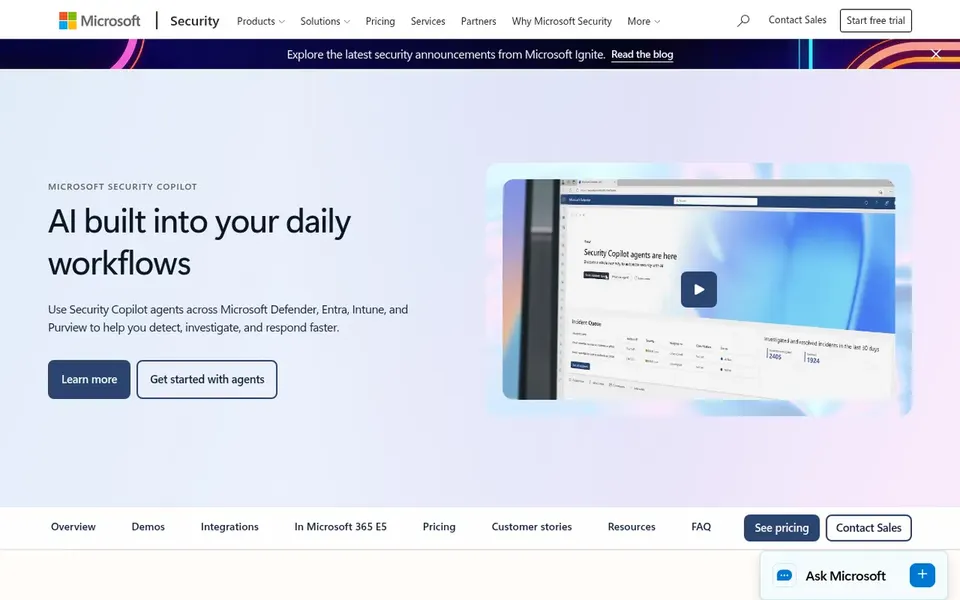
For Microsoft-centric security teams, Microsoft Security Copilot is a natural candidate. It suits organizations already working within Microsoft security products that want to accelerate investigation and response tasks without adding a separate analytics stack.
Trade-offs to know: Agent behavior needs governance.
Worth adding: teams running mostly mixed or non-Microsoft stacks may find broader system choices a better fit. Microsoft Security Copilot starts at: $4 per provisioned SCU. Trial and free access: Free trial.
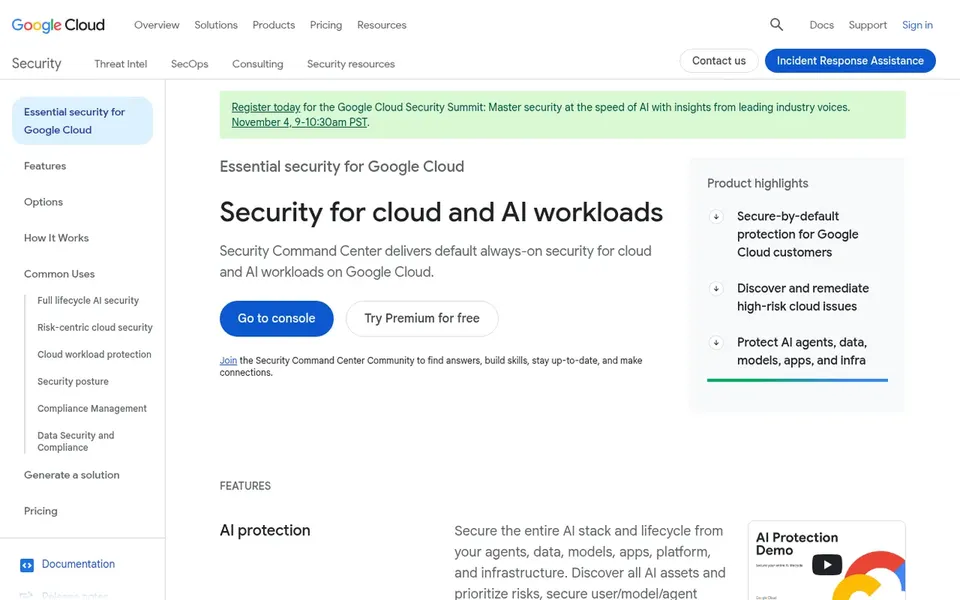
Google Security Operations works best for Google Cloud security teams. It suits teams that run significant workloads on Google Cloud and want AI-assisted security operations aligned with that product.
Trade-offs to know: Most solid fit for Google Cloud.
For everyday use, the offering is oriented toward Google Cloud, so organizations with multi-cloud or on-premises estates may need extra coverage. Google Security Operations shows no starting price here, so confirm the cost on the vendor site. Free plan details: Not stated.
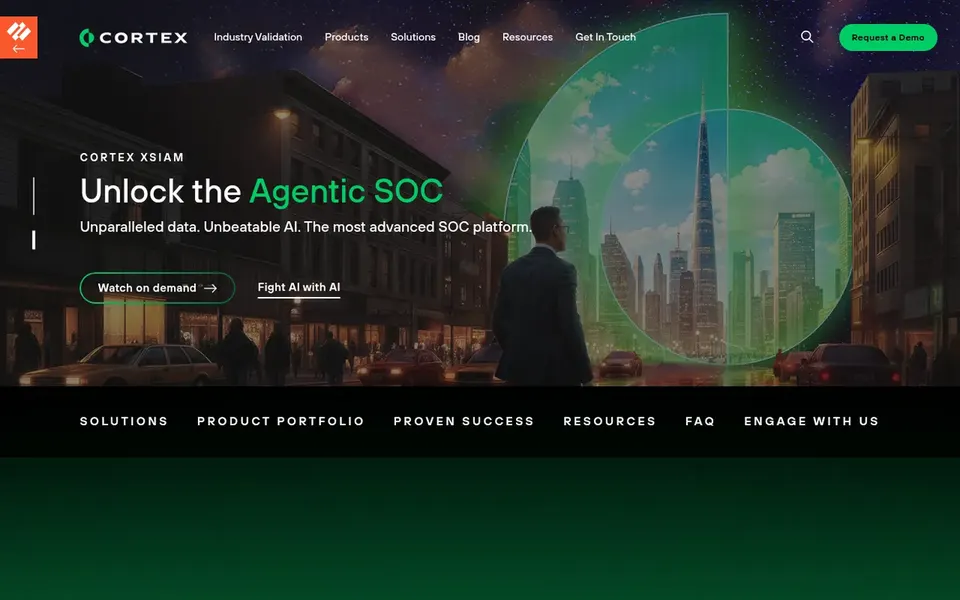
Choose Palo Alto Networks Cortex XSIAM for consolidated SOC product automation. It fits security teams that want to consolidate several point tools into one analytics and automation system instead of stitch together separate systems.
Downsides: A good match for bigger SOC teams.
On top of that, organizations with small teams or very restricted scope may prefer a narrower tool that is quicker to adopt. Check the vendor site for Palo Alto Networks Cortex XSIAM pricing; none is listed in this comparison. On free options: Not stated.
Ask Splunk Enterprise Security, Exabeam, Google Security Operations and Palo Alto Networks Cortex XSIAM for a written quote, since no starting price is shown.
Run a trial of Microsoft Security Copilot with real work before paying for a year; your own workflow is the best test.
Before choosing Splunk Enterprise Security, weigh its main limit: platform complexity for new users.
List the apps you already depend on and check that Microsoft Security Copilot supports each one on the plan you would buy.
Make sure Palo Alto Networks Cortex XSIAM lets you export your data in a format another tool can read.
How we picked
Each tool was reviewed on what its vendor publishes: price, plan limits, core features and stated drawbacks. We did not run hands-on tests. Where a price is missing, the vendor does not list one publicly or ties it to a quote. Always confirm before budgeting. The order reflects how well each tool fits the most common buying scenario for AI SOC agents software, then price clarity, then free plan access. It is a starting point, not a verdict.
Every price and plan detail on this page comes from the vendors’ own websites. We did not run hands-on tests unless the text says so, and we do not publish star ratings or review scores. See how we score and our disclosure.
Keep your shortlist in one place
Paste prices, trial dates and notes from this guide into Ainotely, our AI note app. It files them into a topic and pulls out tasks like “cancel trial by Friday”. Free 7-day trial, no card needed.
Not all of them. Splunk Enterprise Security, Exabeam, Google Security Operations and Palo Alto Networks Cortex XSIAM publish no starting price, so expect a quote request for those. The rest, Microsoft Security Copilot included, show a starting price, though seats and billing terms still change the final cost.
Which tool fits a Microsoft-heavy environment?
It is the most natural starting point if your tooling is mostly Microsoft-based. Also, mixed environments may benefit from a broader system.
How are the tools for AI SOC agents software ordered?
The order follows typical fit for AI SOC agents software, with Splunk Enterprise Security first and Palo Alto Networks Cortex XSIAM last, then price clarity and free access. It is editorial judgement, not a score, so another team could rank the tools differently.
Does any tool for AI SOC agents software here have a free plan?
A permanent free plan is not offered by Splunk Enterprise Security, Palo Alto Networks Cortex XSIAM or the other tools here. Microsoft Security Copilot offer a trial. Plan a short evaluation period instead.
What are AI SOC agents?
AI SOC agents are software components that assist security operations centers by automating investigation steps, correlating alerts and supporting response actions. They aim to cut repetitive analyst work so teams can focus on complicated threats.
Can I try these options before paying?
Often, yes. Microsoft Security Copilot offers a free trial. Use your own data and a real task during the test, and check what the free tier or trial limits before you rely on it.