If you need sites standardized on Siemens automation, Siemens SIMATIC WinCC is the first tool to look at here. For a different need, Rockwell Automation FactoryTalk covers Rockwell-centric production operations and AVEVA PI System covers industrial data foundation for AI. All 5 tools are compared below on price, free plan and limits.
Choosing AI supervisory control and data acquisition software usually comes down to price, fit and limits. This Ainotely guide sets 5 tools side by side on those three points, with the facts kept short and checkable.
Key takeaways
Siemens SIMATIC WinCC takes the first slot, best suited to sites standardized on Siemens automation.
Zenon suits Automation and energy digital transformation.
Pricing across the list, from Siemens SIMATIC WinCC to zenon, is by quote only.
A fair warning about AVEVA PI System: needs data engineering effort.
A permanent free plan is missing from all 5 tools, Siemens SIMATIC WinCC and zenon included; plan for a trial or a premium start.
Best for: Sites standardized on Siemens automation
Where Siemens SIMATIC WinCC fits: sites standardized on Siemens automation. Siemens SIMATIC WinCC is part of Siemens' industrial automation offering, and Siemens positions itself as a technology leader driving digital transformation in industry and infrastructure.
Limits to weigh: Integration work for mixed vendors.
Best features of Siemens SIMATIC WinCC: Mature supervisory control toolset.
WinCC is most efficient within a Siemens-centric architecture, and mixed-vendor environments can add integration overhead. Choose it when ecosystem consistency matters more than vendor neutrality. This comparison lists no price for Siemens SIMATIC WinCC; ask the vendor. Trial and free access: Not stated.
Rockwell Automation FactoryTalk is aimed squarely at Rockwell-centric production operations. Also, the breadth of the suite also means planning and skills investment.
From a buyer's view, FactoryTalk is designed around the Rockwell ecosystem, so mixed-vendor plants may face additional integration work. Rockwell Automation FactoryTalk does not show a starting price in this comparison, so check the vendor site for current pricing. Free access: Not stated.
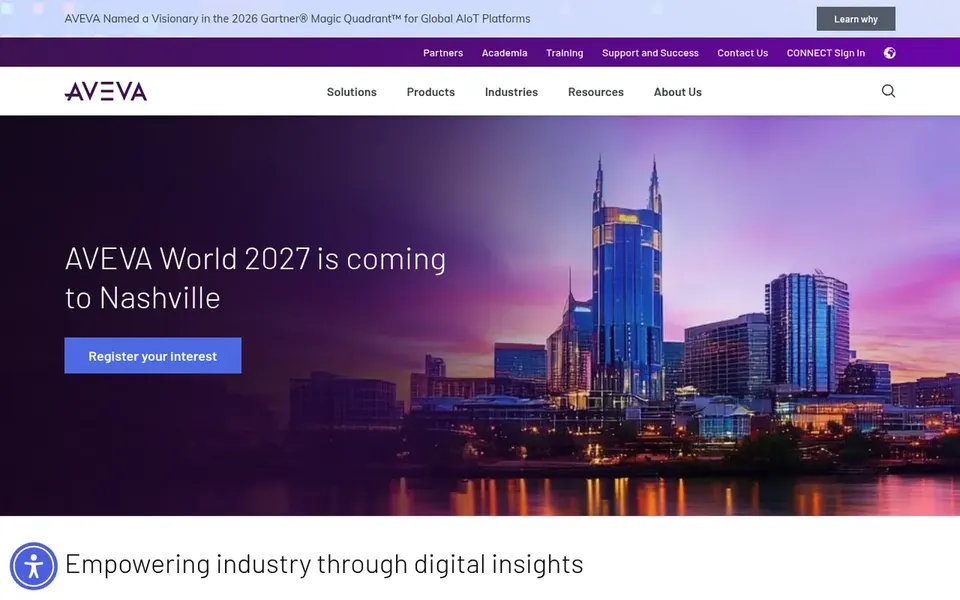
AVEVA PI System targets industrial data foundation for AI. AVEVA PI System sits within AVEVA's industrial software portfolio, which the company describes as built to optimize engineering, operations and performance.
In practice, smaller sites with straightforward control needs may find a lighter SCADA package easier to run. AVEVA PI System does not show a starting price in this comparison, so check the vendor site for current pricing. Free access: Not stated.
Drawbacks to consider: Needs data engineering effort.
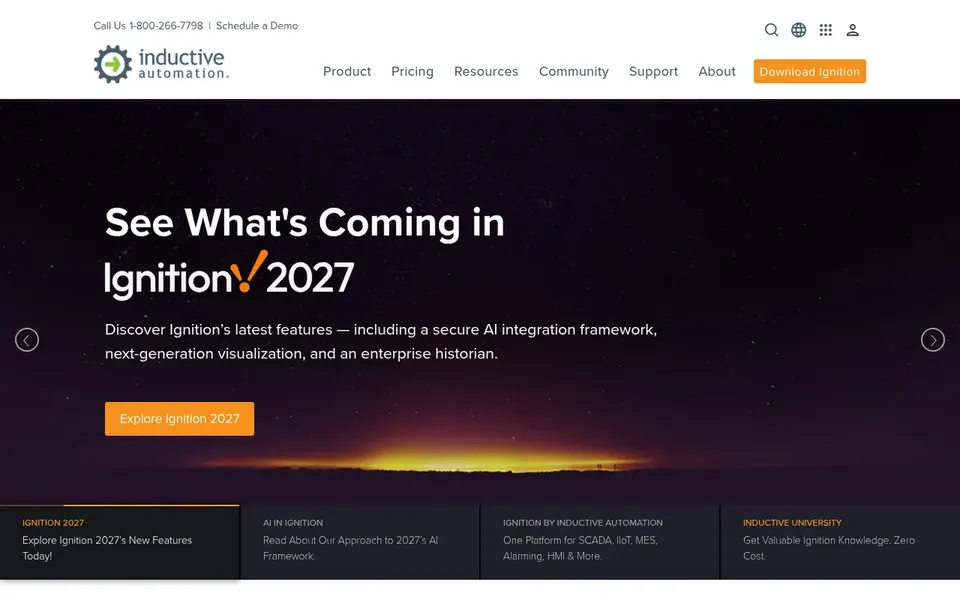
Think of Ignition for adaptable vendor-neutral SCADA projects. Ignition from Inductive Automation is described as a universal system for automation industry needs, providing SCADA software and industrial automation options. It is recognised for a modular, web-based design that links to plenty of device types and databases, which makes it a practical base for supervisory control projects that later add analytics.
From a buyer's view, since capability comes through modules and configuration, teams have to plan architecture and skills carefully. In daily use, native AI features are not the core story, so heavy predictive work may need external analytics tools. Pick Ignition when adaptability and connectivity matter more than a bundled AI suite. Check the vendor site for Ignition pricing; none is listed in this comparison. Free access: Not stated.
Best for: Automation and energy digital transformation
zenon was built for Automation and energy digital transformation. Teams seeking a vendor-neutral base for gradual digital projects commonly shortlist it.
Also, very straightforward single-machine setups may not justify its breadth. zenon does not show a starting price in this comparison, so check the vendor site for current pricing. Free options: Not stated.
Drawbacks to consider: Configuration effort is significant.
Request quotes from Siemens SIMATIC WinCC, zenon and the others; the list shows no fixed prices.
Before choosing Siemens SIMATIC WinCC, weigh its main limit: ecosystem lock-in risk.
The entry price of Siemens SIMATIC WinCC is only the starting point; model the full cost with seats and extras.
Run a one or two week pilot of Rockwell Automation FactoryTalk with the people who will use it every day.
Look at the renewal terms for Ignition: auto-renewal, notice periods and price changes can matter more than the first-year price.
How we picked
Ainotely used vendor pricing pages and product documentation as the base, then compared plans, free access and documented limits for 5 tools. Plan names, prices and limits change often. Treat the figures here as a starting point and verify them with the vendor. Position on the page reflects fit for a typical buyer first, with price clarity and free access breaking ties. Treat it as a guide, not a ruling.
Every price and plan detail on this page comes from the vendors’ own websites. We did not run hands-on tests unless the text says so, and we do not publish star ratings or review scores. See how we score and our disclosure.
Keep your shortlist in one place
Paste prices, trial dates and notes from this guide into Ainotely, our AI note app. It files them into a topic and pulls out tasks like “cancel trial by Friday”. Free 7-day trial, no card needed.
Not by default. None of the tools, from Siemens SIMATIC WinCC to zenon, lists a free plan or a free trial here, so ask each vendor for a demo before committing.
How are the tools for AI supervisory control and data acquisition software ordered?
Siemens SIMATIC WinCC sits first and zenon last because the order follows typical fit for AI supervisory control and data acquisition software, then price clarity and free access. It is a judgement call, so read each profile for fit and limits.
Do these tools publish their prices?
No. None of the tools, from Siemens SIMATIC WinCC to zenon, shows a fixed starting price here, so budget time for quotes.
Is Siemens SIMATIC WinCC the right pick for everyone comparing AI supervisory control and data acquisition software?
No single tool suits every team. Siemens SIMATIC WinCC comes first because it fits sites standardized on Siemens automation, while Rockwell Automation FactoryTalk suits Rockwell-centric production operations and AVEVA PI System suits industrial data foundation for AI. Match the tool to your own size, budget and workflow before deciding.
What should smaller plants consider first?
Smaller plants commonly benefit from starting with a focused SCADA system and clean data collection before layering on AI analytics. Adaptability, engineering effort and continuing support costs matter more than the longest feature list.
What does AI add to SCADA software?
AI in SCADA usually brings anomaly detection, predictive maintenance signals and pattern recognition on top of supervisory control data. In practice, the value relies on data quality and how well the system links to historians and analytics tools.