This list puts Amazon Bedrock first for production-scale generative AI applications and agents. Alternatives: NVIDIA AI Enterprise for accelerating production AI with cloud-native software, and Microsoft Azure AI for wide prebuilt and configurable AI services. All 5 tools are compared below on price, free plan and limits.
Ainotely put together this guide to AI tools for large enterprises for readers who want a clear shortlist without reading every vendor page. It compares 5 tools on starting price, free plans, who each one suits and where each one falls short.
Key takeaways
Amazon Bedrock sits first on this list: production-scale generative AI applications and agents.
A permanent free plan is missing from all 5 tools, Amazon Bedrock and Salesforce Einstein included; plan for a trial or a premium start.
Check the limits for Amazon Bedrock before you commit: Generative AI focus may not cover all AI needs.
Every tool from Amazon Bedrock to Salesforce Einstein works by quote, with no list price shown.
Best for: Production-scale generative AI applications and agents
Amazon Bedrock works best for production-scale generative AI applications and agents. It fits enterprises already on AWS that want to move generative AI workloads from pilot to production with managed infrastructure and a focus on operational readiness.
Honest limits: Needs AWS cloud familiarity.
Pricing for Amazon Bedrock is not stated here, so ask the vendor for current figures. Free options: Not stated.
Best for: Accelerating production AI with cloud-native software
Where NVIDIA AI Enterprise fits: accelerating production AI with cloud-native software. NVIDIA AI Enterprise is a cloud-native software system built to accelerate production AI.
In practice, choose NVIDIA AI Enterprise when accelerating production AI on NVIDIA infrastructure is the goal. NVIDIA AI Enterprise shows no starting price here, so confirm the cost on the vendor site. Trial and free access: Not stated.
Best for: Wide prebuilt and configurable AI services
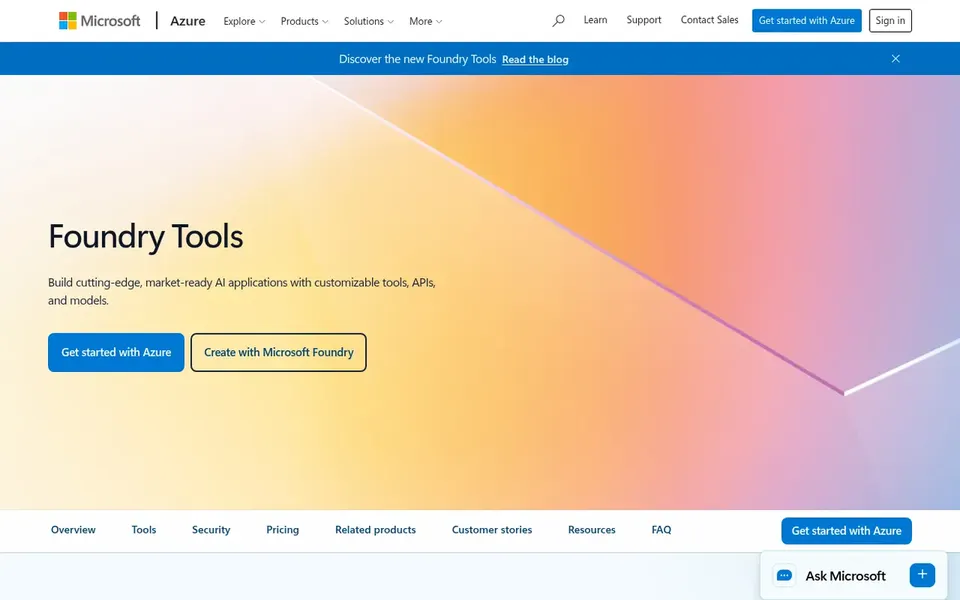
Microsoft Azure AI makes the most sense for wide prebuilt and configurable AI services. Microsoft Azure AI, now branded Foundry Tools, provides prebuilt and configurable tools and APIs to accelerate creating AI apps and agents.
Its breadth means teams need clear architecture guidance and cloud skills to avoid sprawl. Beyond that, choose Azure AI when integration with Microsoft cloud services and a broad service catalog are priorities. No starting price is listed for Microsoft Azure AI here; confirm pricing on the vendor site. Free access: Free trial.
Where it is weaker: Service breadth may overwhelm new teams.
Best for: Building, scaling and governing agents on Gemini
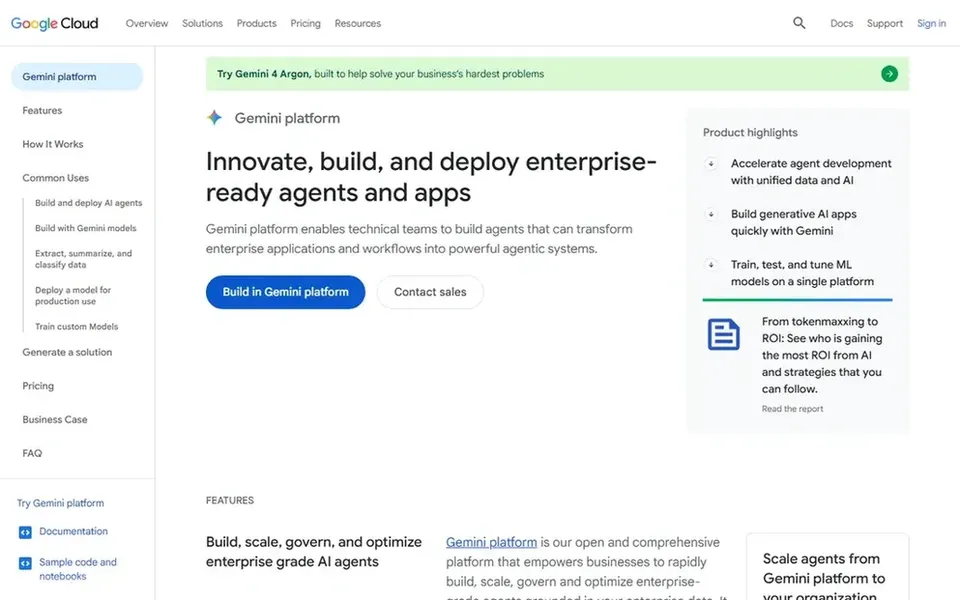
Google Cloud Vertex AI is built with building, scaling and governing agents on Gemini in mind. More specifically, teams outside the Google Cloud ecosystem may face integration overhead and a ramp-up time.
Points against: Needs familiarity with Google Cloud services.
If your workloads are anchored on another cloud, a native product there could cut friction. In practice, pick Vertex AI when agent governance and Gemini model alignment are central to your strategy. Pricing for Google Cloud Vertex AI is not stated here, so ask the vendor for current figures. Free plan details: Not stated.
Salesforce Einstein was built for AI embedded in CRM workflows and tools. Salesforce Einstein, presented as AIforce, lets enterprises use trusted Salesforce data and agents in tools they already work in, including Slack, Claude and beyond. Its effectiveness relies on the completeness and quality of Salesforce data, and organizations outside the Salesforce ecosystem may see restricted benefit.
Points against: Value relies on Salesforce data quality.
Choose Einstein when CRM-embedded AI and agent access across workplace tools are the priority. For everyday use, for wide model development or data engineering, a dedicated AI system is a better fit. Check the vendor site for Salesforce Einstein pricing; none is listed in this comparison. Free access: Free trial.
Request quotes from Amazon Bedrock, Salesforce Einstein and the others; the list shows no fixed prices.
Run a trial of Microsoft Azure AI and Salesforce Einstein with real work before paying for a year; your own workflow is the best test.
Read the limits listed for Amazon Bedrock first: Generative AI focus may not include all AI needs.
Let daily users try Google Cloud Vertex AI on real work; their feedback beats any feature checklist.
Check whether Amazon Bedrock bills monthly or annually, and what cancelling early costs.
How we picked
Ainotely used vendor pricing pages and product documentation as the base, then compared plans, free access and documented limits for 5 tools. Prices and plan limits come from vendor pages and can change, so confirm them on the vendor site before you buy. The order reflects how well each tool fits the most common buying scenario for AI tools for large enterprises, then price clarity, then free plan access. It is a starting point, not a verdict.
Every price and plan detail on this page comes from the vendors’ own websites. We did not run hands-on tests unless the text says so, and we do not publish star ratings or review scores. See how we score and our disclosure.
Keep your shortlist in one place
Paste prices, trial dates and notes from this guide into Ainotely, our AI note app. It files them into a topic and pulls out tasks like “cancel trial by Friday”. Free 7-day trial, no card needed.
How are the tools for AI tools for large enterprises ordered?
Amazon Bedrock sits first and Salesforce Einstein last because the order follows typical fit for AI tools for large enterprises, then price clarity and free access. It is a judgement call, so read each profile for fit and limits.
Can these AI tools be used together?
Yes, numerous enterprises combine products for different workloads, like using a cloud AI product for model development and a CRM-embedded tool for customer operations. Integration planning and data governance are essential to avoid fragmentation.
Can I try these tools before paying?
Often, yes. Microsoft Azure AI and Salesforce Einstein offer a free trial. Use your own data and a real task during the test, and check what the free tier or trial limits before you rely on it.
Do these tools publish their prices?
No. None of the tools, from Amazon Bedrock to Salesforce Einstein, shows a fixed starting price here, so budget time for quotes.
Is Amazon Bedrock the right pick for everyone comparing AI tools for large enterprises?
No single tool suits every team. Amazon Bedrock comes first because it fits production-scale generative AI applications and agents, while NVIDIA AI Enterprise suits accelerating production AI with cloud-native software and Microsoft Azure AI suits broad prebuilt and customizable AI services. Match the tool to your own size, budget and workflow before deciding.