If you need end-to-end data integration and analytics, Qlik Sense is the first tool to look at here. Listed starting prices: Tableau from $15 per user a month. Sisense fits embedded analytics in operator portals; Domo fits governed data for AI-driven insight. All 5 tools are compared below on price, free plan and limits.
Ainotely compared 5 BI software for franchise operators. The goal is a practical shortlist: published prices, free plan facts, best-fit use cases and honest limits for every entry.
Key takeaways
Number one here is Qlik Sense, a fit for end-to-end data integration and analytics.
Tableau stands alone as the one tool in this list with a free plan.
A fair warning about Domo: wide system needs onboarding.
Tableau is the lowest-priced starter here at $15 per user per month.
Tableau fits adaptable visual dashboards across sources.
Best for: End-to-end data integration and analytics
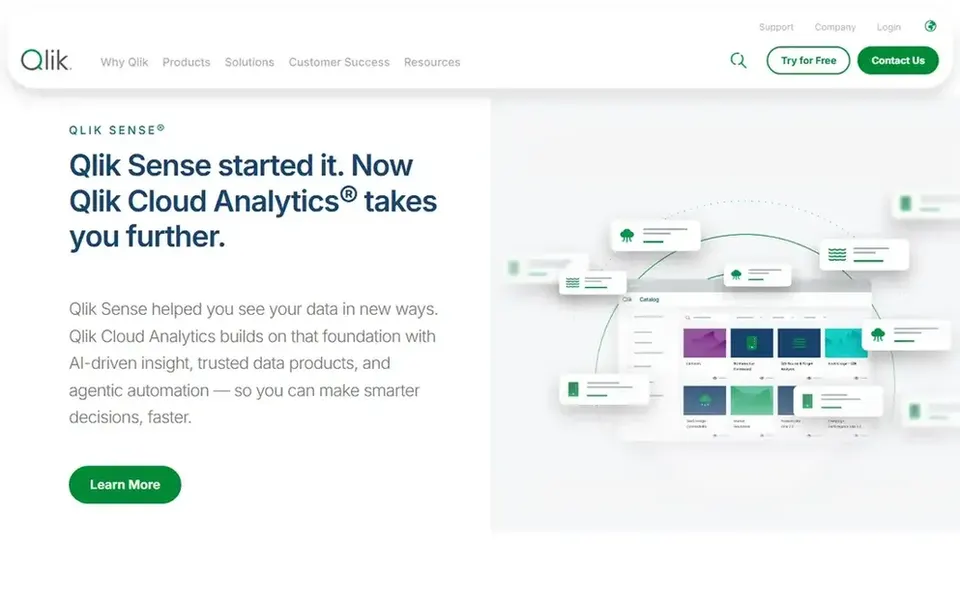
Qlik Sense works best for end-to-end data integration and analytics. Qlik, now with Talend, presents a data fabric and end-to-end data integration, data quality and analytics options. Franchise operators dealing with messy source systems across locations may value bringing integration and insight work closer together, so unit data can be prepared and analyzed within a connected stack.
Trade-offs to know: Wide stack can feel complicated.
More specifically, if you chiefly need dashboards instead of a wider data pipeline, a focused BI tool may be more straightforward. Also, the breadth of integration and quality tooling can add complexity for smaller teams without dedicated data staff. Check the vendor site for Qlik Sense pricing; none is listed in this comparison. Free options: Not stated.
Sisense is designed for embedded analytics in operator portals. Sisense gives AI-powered embedded analytics with pro-code, low-code and no-code adaptability.
Honest limits: Embedding focus may exceed needs.
Worth adding: an embedding-first system can be more than a team needs if analysis stays internal and ad hoc. Sisense shows no starting price here, so confirm the cost on the vendor site. Trial and free access: Free trial.
Domo makes the most sense for governed data for AI-driven insight. Domo positions its product around governed data for AI agents, with products spanning the data journey.
From a buyer's view, franchise operators can centralize location data and provide teams governed access for exploration and reporting. Check the vendor site for Domo pricing; none is listed in this comparison. Trial and free access: Free trial.
Drawbacks to consider: Governance needs clear ownership.
For AI-powered BI on AWS data, Amazon QuickSight is a natural candidate. Amazon QuickSight is described as AI-powered BI that turns data into strategic insights through unified intelligence, actionable analytics and democratized data access.
Beyond that, franchise operators with data already in AWS can extend that foundation to dashboards, giving teams and owners broader access to location-level insight. Worth adding: if your data sits largely in other systems, a tool aligned to those sources may be more straightforward. This comparison lists no price for Amazon QuickSight; ask the vendor. Trial and free access: Not stated.
What to check first: Best fit within AWS ecosystems.
Best for: Adaptable visual dashboards across sources
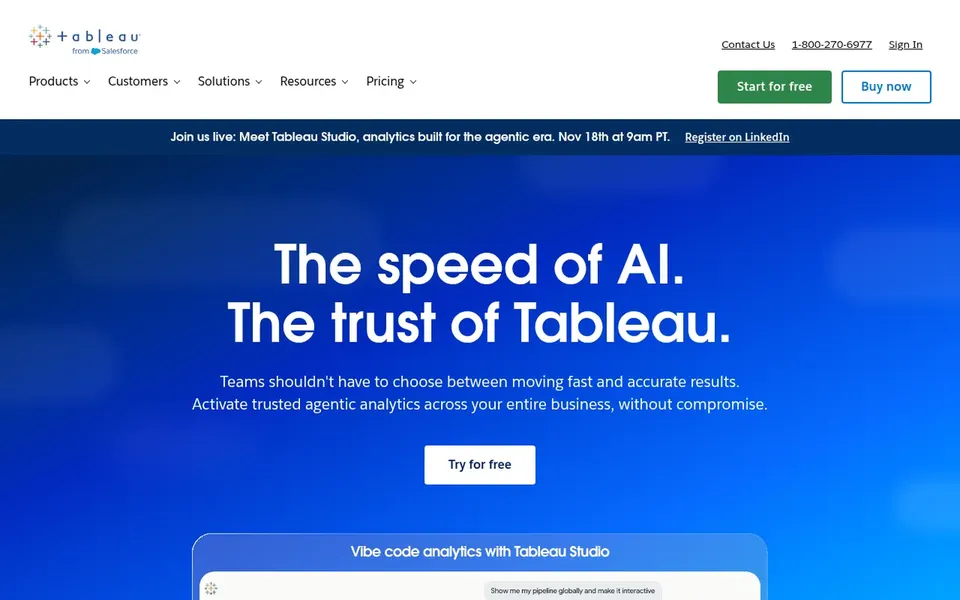
Tableau serves adaptable visual dashboards across sources. Tableau is a business intelligence and analytics product built around visual exploration. From a buyer's view, users connect to a broad set of databases, drag-and-drop to build visualizations, and share results with a click.
Beyond that, for franchise operators, that adaptability helps compare unit performance, track location trends and provide regional managers self-service views without heavy report-building each cycle. Its strength in visual freedom can mean more design decisions and governance planning at the start. So teams need clear conventions for shared dashboards. Price to start with Tableau: $15 per user per month. A free plan is available with Tableau.
Confirm the entry price on the vendor page. For Qlik Sense, Sisense, Domo and Amazon QuickSight that means a quote rather than a fixed price.
Look at the free plan from Tableau closely: its caps decide whether it is usable for real work.
Use real work to test the free trial from Sisense and Domo, rather than a demo project.
Read the limits listed for Qlik Sense first: broad stack can feel complicated.
Look at which plan of Amazon QuickSight unlocks the features you need; entry tiers are often cut down.
Total up the real monthly cost of Tableau, including add-ons, extra users and usage-based fees.
How we picked
Selection started from tools commonly considered for BI software for franchise operators, then narrowed to 5 that have clear pricing information or a clear quote process. Where a price is missing, the vendor does not list one publicly or ties it to a quote. Always confirm before budgeting. The order reflects how well each tool fits the most common buying scenario for BI software for franchise operators, then price clarity, then free plan access. It is a starting point, not a verdict.
Every price and plan detail on this page comes from the vendors’ own websites. We did not run hands-on tests unless the text says so, and we do not publish star ratings or review scores. See how we score and our disclosure.
Keep your shortlist in one place
Paste prices, trial dates and notes from this guide into Ainotely, our AI note app. It files them into a topic and pulls out tasks like “cancel trial by Friday”. Free 7-day trial, no card needed.
What is the cheapest option for BI software for franchise operators in this list?
On published monthly entry prices, Tableau is the lowest here at $15 per user per month. Entry price is only part of the cost, because seats, add-ons and billing terms can change the total. Each of the 5 options in this BI software for franchise operators guide has its own card above with the price, free plan and limits.
Is Qlik Sense the right pick for everyone comparing BI software for franchise operators?
No single tool suits every team. Qlik Sense comes first because it fits end-to-end data integration and analytics, while Sisense suits embedded analytics in operator portals and Domo suits governed data for AI-driven insight. Match the tool to your own size, budget and workflow before deciding.
Can I try these tools before paying?
Often, yes. Tableau has a free plan and Sisense and Domo offer a free trial. Use your own data and a real task during the test, and check what the free tier or trial limits before you rely on it. All 5 picks in this BI software for franchise operators comparison show their pricing, free plan details and main limits on the cards above.
Do these tools publish their prices?
Not all of them. Qlik Sense, Sisense, Domo and Amazon QuickSight publish no starting price, so expect a quote request for those. The rest, Tableau included, show a starting price, though seats and billing terms still change the final cost.
Do franchise operators need a wide data system or a focused BI tool?
Wide products like Domo and Qlik pair integration and quality work with analytics, which helps when source data is messy. Focused BI tools can be simpler when data is already consolidated and dashboards are the main need.